
Quick Answer: How to Recycle Nickel-Zinc Batteries
Nickel-zinc battery recycling usually comes down to drop-off for smaller rechargeable battery quantities and pickup for businesses, facilities, bulk loads, and larger operational projects. These batteries should not be thrown in the trash, especially when mixed with other battery types, because proper sorting and handling help keep the recycling process safer and more efficient. The right option depends on quantity, condition, and whether the load is part of a simple cleanup or a larger project.
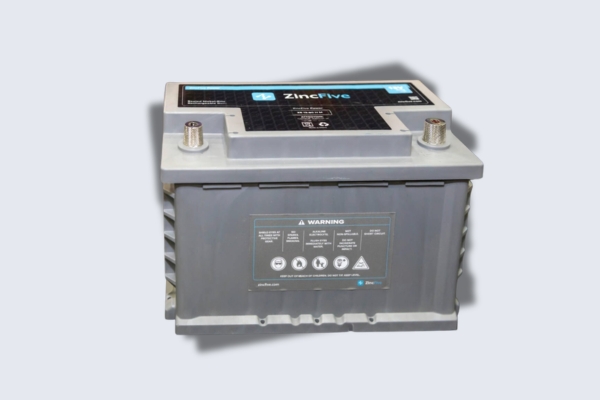
What Are Nickel-Zinc Batteries?
Common Formats
Nickel-zinc batteries are rechargeable batteries designed to deliver higher power output than some traditional rechargeable types. They are often used in devices that need consistent performance but still benefit from a rechargeable format. You’ll typically see them in smaller portable formats, but they can also appear in more specialized applications.
Common nickel-zinc battery examples include:
- Power tool battery packs
- Backup power batteries
- Consumer electronics batteries
- Specialty rechargeable battery packs
- Emerging energy storage applications
- Rechargeable AA and AAA batteries
Why Battery Type Matters
Nickel-zinc batteries are different from lithium-ion, lead-acid, Nicad, and other battery chemistries, which is why they need to be identified correctly before recycling. Even though they may look similar to other rechargeable batteries, the internal chemistry and handling requirements are not the same.
A few loose rechargeable AA batteries are very different from bulk nickel-zinc batteries collected from facilities, operations, or organized recycling programs. That difference affects how the batteries should be sorted, staged, and processed.
Why Nickel-Zinc Batteries Need Proper Recycling
Unique Rechargeable Chemistry
Nickel-zinc batteries use a different chemistry than more common rechargeable batteries, which makes correct identification important before recycling.
Mixed Battery Stream Risk
These batteries are often mixed with other rechargeable types, especially in bulk collections. That increases the importance of sorting and proper routing.
Nickel-Zinc Battery Recycling Options
Drop-Off Services
Battery Recycling and Solutions offers drop-off services for smaller nickel-zinc battery loads that can be transported safely and handled without more involved coordination. This is typically the best fit for simple, smaller-scale projects.
- Best for smaller quantities
- Rechargeable household batteries
- Simple transport
- Straightforward recycling option
Pickup Services
Battery Recycling and Solutions offers pickup services for nickel-zinc battery recycling projects involving facilities, businesses, and larger battery quantities. This is often the better fit for bulk loads and more involved logistics.
- Businesses and facilities
- Bulk battery quantities
- Equipment and battery packs
- Larger recycling projects
- More controlled battery removal


