
Lithium Thionyl Chloride Battery Recycling

Lithium thionyl chloride batteries are commonly used in utility meters, industrial sensors, oil and gas equipment, military systems, and remote monitoring devices where long-term, reliable power matters. These are non-rechargeable lithium batteries built for long-life, high-reliability applications, but they also require more controlled handling and recycling because of their chemistry and risk level. Battery Recycling and Solutions offers limited drop-off for smaller quantities and pickup for bulk, industrial, and facility battery loads.

Quick Answer: How to Recycle Lithium Thionyl Chloride Batteries

Lithium thionyl chloride battery recycling usually involves limited drop-off for small, properly stored battery quantities and pickup for most industrial, utility, and bulk battery loads. These batteries should never go in the trash because their chemical composition and risk profile require more controlled handling and recycling. This is not a casual battery type.
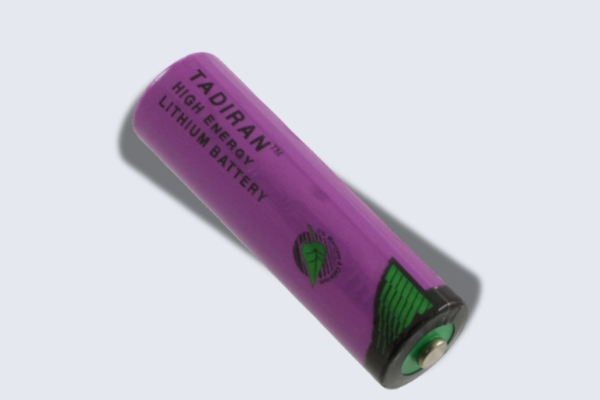
lithium thionyl chloride battery

What Are Lithium Thionyl Chloride Batteries?

What Makes Them Different

Lithium thionyl chloride batteries are a type of primary lithium battery, which means they are non-rechargeable. They are designed for long shelf life, low self-discharge, and dependable performance in demanding or remote environments. That makes them very different from lithium-ion batteries and even from more common lithium primary battery types used in smaller everyday devices.

Lithium thionyl chloride batteries are typically used where reliability matters more than convenience, compact consumer use, or frequent replacement.

Common lithium thionyl chloride battery examples include:

Why Battery Type Matters

Li-SOCl₂ chemistry is more sensitive than standard batteries, which is one reason proper identification matters before anything is staged, transported, or removed. These batteries are often tied to industrial or infrastructure use, where mistakes in handling create bigger problems.


Battery format also matters. A pallet of meter batteries is very different from a smaller set of handheld device batteries, and those differences affect storage, transport, handling, and recycling requirements.

Why Lithium Thionyl Chloride Battery Recycling Matters

These batteries are not just another lithium type. They require proper handling because of their chemical composition and their use in critical systems.


  • Reduces chemical and safety risks
  • Prevents improper disposal
  • Supports recovery of materials
  • Helps manage industrial battery waste
  • Supports compliance and safe handling

Lithium Thionyl Chloride Battery Recycling Options

Dropoff Services

Battery Recycling and Solutions offers drop-off services for limited cases where the battery quantity is small and the load has been stored properly. This is a narrower use case and only works when handling requirements are met.

  • Small quantities only
  • Properly stored batteries
  • Limited use case
  • Must meet handling requirements

Pickup Services

Battery Recycling and Solutions offers pickup services for most lithium thionyl chloride battery projects. This is usually the right option for utility companies, industrial facilities, meter battery loads, and other larger projects where safer logistics matter more.


  • Utility companies
  • Industrial facilities
  • Meter battery loads
  • Bulk quantities
  • Multi-site projects

How to Prepare Lithium Thionyl Chloride Batteries for Recycling

Get aligned on the basics before moving anything.

Identify and Separate

Start by confirming that the batteries are lithium thionyl chloride batteries and separating them from other lithium chemistries. Any damaged or leaking batteries should be isolated right away so the project can be handled more safely from the beginning.

Store Safely Before Recycling

Keep these batteries in a cool, dry, controlled environment and prevent terminal contact during staging. Avoid loose or unstable storage, and isolate damaged units from intact loads. These batteries carry a higher risk than more standard battery types, so staging needs to stay controlled.

Prepare for Drop-Off or Pickup

Use proper containers, secure the batteries to prevent movement, and label loads when needed. For most industrial or utility projects, scheduled pickup is the better route because it allows the load to be handled more deliberately.

What Happens After Lithium Thionyl Chloride Battery Collection + Recycling

Lithium thionyl chloride battery recycling follows a controlled process designed for higher-risk lithium chemistries, with an emphasis on safe handling and proper downstream routing.

one

Collection and Controlled Transport

These batteries are handled under controlled conditions and transported according to the type and condition of the load. Transport planning matters more here than it does with simpler battery loads.

two

Sorting and Processing

Once collected, lithium thionyl chloride batteries are separated from other chemistries and handled based on condition and risk. This helps keep the recycling stream safer and more organized.

three

Material Recovery

Lithium and other battery materials may be recovered where possible, while the remaining materials are handled through the proper downstream recycling process.

Frequently Asked Questions About
Lithium Thionyl Chloride Battery Recycling

Lithium thionyl chloride batteries are often used in industrial and utility systems, which makes their recycling more specialized than standard batteries. These questions can help you plan the right approach.

Can lithium thionyl chloride batteries go in the trash?

No. These batteries should not go in the trash because they require controlled handling and proper recycling.

No. Lithium thionyl chloride batteries are non-rechargeable primary lithium batteries.

Their chemistry, industrial use, and handling requirements make them more sensitive than standard battery types, especially when damaged or stored improperly.

They should be stored in a cool, dry, controlled area with terminal contact prevented and damaged units isolated.

Yes, but they should be separated from intact batteries and handled more carefully from the start.

Depending on the battery type and downstream process, lithium and other battery materials may be recovered.