
Lithium Nickel Manganese Cobalt Oxide Recycling

Lithium nickel manganese cobalt oxide (NMC) batteries are widely used in electric vehicles, energy storage systems, and high-performance battery applications where energy density and output matter. These lithium-ion batteries often appear in larger, more complex formats, which means recycling needs to be handled carefully based on battery type, condition, and project scope. Battery Recycling and Solutions offers drop-off for smaller battery units and pickup for bulk battery loads, EV components, and commercial recycling projects.

Quick Answer: How to Recycle NMC Batteries

NMC battery recycling typically involves drop-off for smaller battery units or manageable loads, and pickup for EV batteries, energy storage systems, and bulk commercial projects. These batteries should not be placed in the trash due to fire risk and handling concerns. Because NMC batteries are high-performance lithium systems, recycling is usually more controlled, especially at scale.
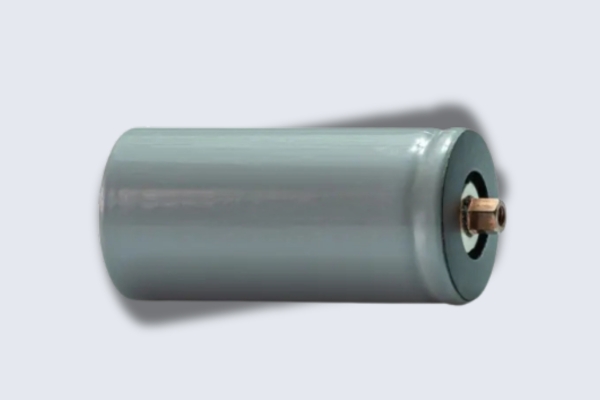
Lithium nickel manganese cobalt oxide battery

What Are Lithium Nickel Manganese Cobalt Oxide Batteries?

Common Formats

Lithium nickel manganese cobalt oxide batteries are a widely used lithium-ion chemistry found in both mid-size and large battery systems where strong performance and energy density are required.

Common NMC battery formats include:

Why Battery Type Matters

Lithium nickel manganese cobalt oxide batteries are different from LFP, LMO, lithium cobalt oxide, and other lithium chemistries. Each chemistry affects how batteries should be handled, stored, transported, and processed.


Battery format also matters. A single battery module is very different from a full EV battery pack or a large storage system. These differences impact logistics, safety, and the appropriate recycling pathway.

NMC Battery Recycling Options

Drop-Off Services

Battery Recycling and Solutions offers drop-off services for smaller NMC battery loads that can be transported safely and managed without complex logistics. This is typically limited to smaller units and simple recycling needs.


  • Best for small quantities
  • Works for smaller battery units
  • Limited use case for large systems
  • Simple recycling option

Pickup Services

Battery Recycling and Solutions offers pickup services for lithium nickel manganese cobalt oxide battery projects involving EV batteries, storage systems, and larger commercial loads. This is the most common and recommended option for these battery types.


  • Electric vehicle batteries
  • Energy storage systems
  • Industrial battery loads
  • Bulk quantities
  • Commercial and facility projects

How to Prepare NMC Batteries for Recycling

Begin by understanding the basics before moving anything.

Identify and Separate

Start by confirming lithium nickel manganese cobalt oxide batteries when possible. Separate damaged batteries from intact ones and avoid mixing them with other battery chemistries.

Store Safely Before Recycling

Keep batteries in a cool, dry place and protect them from impact, puncture, and pressure. Avoid unstable storage and isolate any damaged units from the rest of the load.

Prepare for Drop-Off or Pickup

Place batteries in secure containers, organize them by project or battery type, and label bulk loads when helpful. For larger systems, scheduling pickup is the safest and most efficient option.

What Happens After NMC Battery Collection + During Recycling Process

Lithium nickel manganese cobalt oxide battery recycling follows a controlled process designed to sort batteries by chemistry and condition and move materials through proper recovery channels.

one

Collection and Sorting

Batteries are collected through drop-off or pickup and sorted based on type and condition to ensure safe handling.

two

Processing and Separation

Batteries are processed through controlled systems where materials are separated based on chemistry and composition.

three

Material Recovery

Nickel, manganese, cobalt, and lithium may be recovered and routed through downstream recycling processes. Remaining materials are handled appropriately based on composition.

Frequently Asked Questions About
NMC Battery Recycling

Lithium nickel manganese cobalt oxide batteries are commonly used in EV and energy systems, which makes recycling a little more complex than standard battery disposal. These answers can help guide your next step.

Can lithium nickel manganese cobalt oxide batteries go in the trash?

No. These batteries should not be placed in the trash due to fire risk and the need for proper recycling.

They are a type of lithium-ion battery chemistry, but not all lithium-ion batteries are NMC. Chemistry differences matter.

NMC batteries are commonly used in electric vehicles, energy storage systems, and industrial battery applications.

In most cases, yes. Pickup is typically the best option for larger battery systems and bulk loads.

Yes, but they should be separated and handled more carefully before recycling.

Store them in a cool, dry place, protected from damage, and keep damaged units isolated.

Materials such as nickel, manganese, cobalt, and lithium may be recovered depending on the battery and process.