
Telecom Battery Recycling

Telecom batteries are common across telecom sites, backup power systems, towers, cabinets, and communications infrastructure where uptime matters. Because these batteries support critical backup environments, telecom battery recycling is usually more operationally sensitive than casual battery disposal. Battery Recycling and Solutions offers drop-off for very small quantities, pickup for site projects and battery changeouts, and multi-site coordination for regional or distributed telecom work.

Quick Answer: How to Recycle Telecom Batteries

Telecom battery recycling usually comes down to drop-off for very small and simple loads and pickup for most telecom projects. For companies managing more than one location, multi-site support is often the better fit because telecom batteries are heavy, site-sensitive, and commonly tied to backup power systems. In most cases, telecom battery recycling is a pickup-first service because timing, logistics, and site access matter.
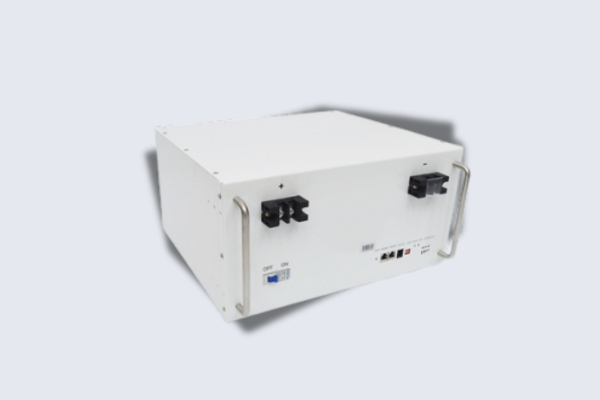
telecom battery

What Are Telecom Batteries?

Common Formats

Telecom batteries are backup batteries used to keep communications and power systems running during outages, interruptions, or equipment issues. The exact format may vary by site, but they all serve the same core purpose: supporting power continuity when the main system goes down.

Common telecom battery examples include:

These batteries may vary in format, but they all support communications and power continuity during outages.

Why Telecom Battery Type Matters

Telecom batteries can show up in central offices, cabinets, towers, shelters, and PBX systems, and those settings are not all alike. Site type, battery format, chemistry, and condition all affect how the batteries should be handled and removed.


A few cabinet batteries at one easy-access site are very different from a multi-site telecom changeout involving remote locations and tighter scheduling. That difference affects handling, transport, staging, and the recycling route from the start.

Where Telecom Batteries Are Commonly Used

Telecom batteries are used in a wide range of communications and backup environments where service continuity matters. Depending on the system, they may be part of one room, one cabinet, or a broader regional network.


  • Central offices and telecom rooms
  • Cellular sites and towers
  • Fiber and distribution cabinets
  • PBX and communications systems
  • Remote utility or equipment shelters

Telecom Battery Recycling Options

Drop-Off Services

Battery Recycling and Solutions offers drop-off services for very small telecom battery quantities when transport is simple and the site does not involve much complexity. This can work in limited cases, but it is usually not the normal route for larger telecom work.


  • Best for very small quantities
  • Works when transport is simple
  • Less practical for larger telecom projects

Pickup Services

Battery Recycling and Solutions offers pickup services for most telecom battery recycling projects. This is usually the better fit for telecom rooms, backup systems, tower work, cabinet loads, and battery changeouts where timing and control matter more.


  • Telecom rooms and backup systems
  • Tower and cabinet projects
  • Bulk quantities
  • Battery changeouts and decommissions
  • Better for timing-sensitive work

How to Prepare Telecom Batteries for Recycling

Start by identifying what you’re working with before moving anything.

Identify What is
on Site

Start by identifying the battery type, the quantity, the site location, and whether the batteries are intact or damaged. This helps shape the rest of the project and makes quoting, packaging, pickup planning, and documentation much cleaner from the start.

Separate by Type
and Condition

Once you know what is on site, separate the batteries by type and condition. Keep intact batteries separate from damaged ones, do not casually mix chemistries, and keep the load organized before removal begins.

Stage and Package for Site Removal

Stage the batteries in a way that reduces shifting and prevents terminal contact. Use packaging that fits the battery type and condition, and label the loads by site when that helps keep the project organized across multiple locations or formats.

What Happens After Telecom Battery Collection + Recycling Process

Telecom battery recycling follows a controlled process designed to keep batteries routed based on chemistry, condition, and site needs. From collection through downstream recycling, the goal is to move telecom battery loads through the proper stream without creating extra site or project risk.

one

Collection and Transport

Telecom batteries move through controlled collection and transport based on site conditions, access limitations, and project timing. Pickup routing is planned to fit telecom environments rather than forcing a one-size-fits-all removal approach.

two

Sorting and Processing

Once collected, telecom batteries are separated by chemistry and condition and routed into the proper recycling stream. This helps make sure the load is handled correctly based on what was removed from the site.

three

Material Recovery

After sorting, recoverable materials move through the proper downstream channels. Remaining materials are then handled through the appropriate recycling and processing methods based on battery type and condition.

Frequently Asked Questions About
Telecom Battery Recycling

Telecom battery recycling often involves site access, project timing, and heavier backup systems. These common questions can help you plan the right next step more confidently.

What is a telecom battery?

A telecom battery is a backup battery used to support communications or power systems during outages or disruptions.

Yes. Telecom batteries can be recycled through the appropriate battery recycling process based on their chemistry and condition.

Yes. Pickup can often be coordinated for remote telecom sites depending on the project scope and access conditions.

Most telecom battery projects are handled through scheduled pickup, especially when quantities are larger or sites are harder to access.

Identify what you have, separate by type and condition, stage the batteries safely, package them correctly, and schedule removal around the project timeline.

Yes, but damaged telecom batteries usually need more controlled handling and should be flagged early in the process.

Yes. Certificates of recycling are often part of the documentation businesses keep for telecom battery projects.