Car Battery Recycling

Whether you are replacing a single battery from your personal vehicle or managing larger volumes from trucks, fleets, or service operations, Battery Recycling and Solutions makes car battery recycling easier to handle. We support drop-off for individuals with smaller loads and pickup for shops, fleet operators, and bulk battery projects. Because car batteries are lead-acid batteries and one of the most common battery types people need to recycle, having a simple and reliable process matters.

Quick Answer: How to Recycle Car Batteries

Car battery recycling usually comes down to drop-off for single batteries or smaller quantities and pickup for bulk loads from shops, fleets, or larger business operations. Many people recycle car batteries through retail stores, auto-related service locations, or recycling centers, while businesses often use pickup for convenience and safer logistics. Car batteries are one of the most commonly recycled battery types, which makes the process more familiar but still important to handle correctly.
car battery

What is a Car Battery?

Common Formats

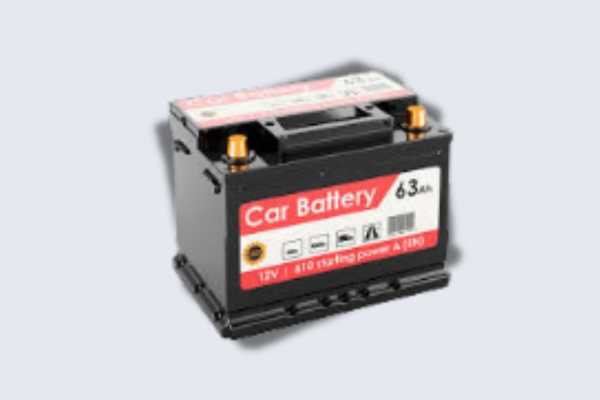
Car batteries are lead-acid batteries used to start vehicles, support electrical systems, and provide reliable power for daily operation. They are common across personal vehicles, commercial vehicles, and larger transportation-related equipment, but they can vary in size, weight, and project volume.

Common car battery examples include:

Why Battery Type Still Matters

Not all car batteries are identical. Even though most follow the same general lead-acid category, size, condition, and quantity can all change how the load should be handled and moved.


Battery type still matters because it affects handling, transport, and routing. A single used car battery from one vehicle is very different from a pallet of batteries pulled from a fleet, service shop, or commercial operation.

Where to Recycle Car Batteries

Battery Recycling and Solutions offers practical recycling options for used car batteries based on the size of the load and who is handling it. For individuals with one battery or a few units, drop-off is often the simplest option. For shops, fleets, and larger battery volumes, pickup is usually the better fit.


  • Drop-off for small quantities
  • Pickup for bulk loads
  • Support for individual and business recycling needs
  • Service built around battery type, volume, and logistics

Car Battery Recycling Options

Drop-Off Services

Battery Recycling and Solutions offers car battery drop-off services for smaller loads that can be transported safely and handled without added coordination. This is usually the most practical route for individuals or straightforward recycling needs.


  • Most common for individuals
  • Easy transport
  • Quick turnaround

Pickup Services

Battery Recycling and Solutions offers pickup services for businesses handling larger volumes of used car batteries. This is often the better option for shops, fleet operations, service centers, and recurring battery recycling needs.


  • Auto shops
  • Fleets
  • Bulk quantities
  • Ongoing recycling needs

How to Prepare Car Batteries for Recycling

Start by getting clear on the basics of car batteries before moving anything.

Identify and Separate

Start by confirming that the batteries are lead-acid car batteries and noting how many you have. If any units are cracked, leaking, or otherwise damaged, separate them from intact batteries right away so they can be handled more carefully.

Handle and Store Safely

Keep car batteries upright and contained before removal. Avoid situations where they can tip, leak, or come into contact with materials that could create a mess or handling issue. Even one battery can be heavy, and multiple batteries should never be stacked or stored loosely without a plan.

Prepare for Drop-Off or Pickup

If you are dropping off the batteries, make sure they are secure for transport and contained appropriately. If you are dealing with a larger load, schedule pickup and organize the batteries in a way that makes removal safer and more efficient.

What Happens After Car Battery Collection

Car battery recycling follows a controlled process designed to keep lead-acid batteries properly handled from collection through downstream recovery. Once the batteries are received, they are routed through the appropriate recycling stream so materials can be separated and processed correctly.

one

Collection and Transport

Car batteries move through controlled collection and transport based on whether the project is a drop-off or pickup. The goal is to keep handling safe and reduce the risk of spills, damage, or disorganized movement.

two

Sorting and Processing

Once collected, car batteries move into the lead-acid recycling stream where they are sorted and processed based on condition and project type. This stage prepares the batteries for material separation and proper downstream handling.

three

Material Recovery

After processing, recoverable materials such as lead and plastic are separated and moved into reuse streams. Remaining materials are then managed through the proper downstream recycling pathway.

Frequently Asked Questions About
Car Battery Recycling

Car battery recycling is one of the most common types of battery recycling, but it also comes with a lot of practical questions around replacement, handling, and where to actually take them. Here are some of the most common ones:

Can I throw a car battery in the trash?

No. Car batteries should not go in the trash because they are lead-acid batteries and need proper recycling.

That depends on the situation. Single batteries are often handled through drop-off, while shops, fleets, and larger quantities are usually better suited for pickup.

Over time, car batteries can leak or corrode, especially if they are damaged or stored improperly. That is why it is better to recycle them sooner rather than later.

Yes. Auto shops, dealerships, and fleet operations commonly recycle car batteries in bulk through pickup services or ongoing recycling programs.

No. Car batteries should not be opened or drained. They should be kept intact and handled through the proper recycling process.