
Quick Answer: How to Recycle Nicad Batteries
Nicad battery recycling usually comes down to drop-off for smaller rechargeable battery quantities and pickup for businesses, facilities, bulk battery loads, and larger recycling projects. Nicad batteries should never be thrown in the trash because they contain cadmium, which makes proper handling and recycling more important from the start. The right option depends on battery quantity, condition, and whether the load is personal, commercial, or tied to a larger operational project.
What Are Nicad Batteries?
Common Formats
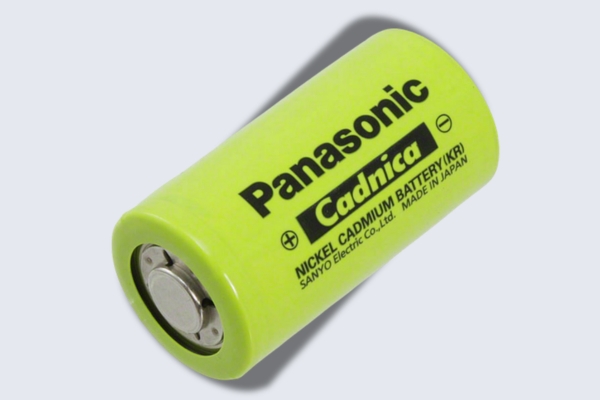
Nicad batteries, often spelled NiCad or NiCd (short for nickel-cadmium), are rechargeable batteries used across both portable and industrial applications. They were built for repeated use and reliable output, which is why they still show up in tools, backup systems, and specialized equipment today. Depending on the application, they can range from small removable battery packs to larger units used in commercial or facility settings.
Common Nicad battery examples include:
- Power tool batteries
- Backup power batteries
- Industrial battery packs
- Medical equipment batteries
- Emergency lighting batteries
- Older handheld electronics batteries
Why Battery Type Matters
Nicad batteries are different from lithium-ion, lead-acid, alkaline, and other battery chemistries, which is why they need to be identified correctly before recycling. The biggest reason is cadmium. Even if these batteries seem older or less advanced than newer options, that does not make them safe to handle casually or dispose of improperly.
A few old rechargeable tool batteries are very different from pallets of mixed Nicad batteries removed from facilities, equipment rooms, or maintenance operations. That difference affects how the batteries should be stored, handled, transported, and ultimately recycled.
Why Nicad Batteries Require More Controlled Recycling
Cadmium Content
Nicad batteries contain cadmium, which is a key reason they require more controlled recycling. This material needs to be handled properly during collection and processing to avoid unnecessary exposure or contamination.
Environmental and Handling Concerns
Improper disposal can lead to damaged batteries, leaks, or contamination issues over time. That is why Nicad batteries should be kept out of the trash and routed through a proper recycling process instead.
Nicad Battery Recycling Options
Drop-Off Services
Battery Recycling and Solutions offers drop-off services for smaller Nicad battery loads that can be transported safely and managed without more involved coordination. This is usually the best fit for simple rechargeable battery projects.
- Best for smaller quantities
- Tool and portable battery packs
- Simple transport
- Straightforward recycling option
Pickup Services
Battery Recycling and Solutions offers pickup services for Nicad battery recycling projects involving facilities, businesses, institutions, maintenance operations, and larger battery quantities. This is often the better option for more complex or bulk projects.
- Businesses and facilities
- Bulk battery quantities
- Institutional and maintenance loads
- Larger recycling projects
- More controlled battery removal


