
Lithium Manganese Oxide Battery Recycling

Lithium manganese oxide batteries are used in power tools, EV systems, medical equipment, and industrial devices where compact size and reliable performance both matter. This lithium-ion chemistry shows up in everything from smaller device batteries to more demanding equipment applications, which means recycling needs can vary depending on the load. Battery Recycling and Solutions offers drop-off for smaller quantities and pickup for bulk battery loads, equipment batteries, and business projects.

Quick Answer: How to Recycle Lithium Manganese Oxide Batteries

Lithium manganese oxide battery recycling usually comes down to drop-off for small quantities and device batteries or pickup for bulk loads, equipment batteries, and commercial projects. These batteries should not go in the trash because they can still create fire risk and handling issues if damaged or stored carelessly. LMO batteries range from small tool batteries to larger systems, so the recycling setup should match the load.
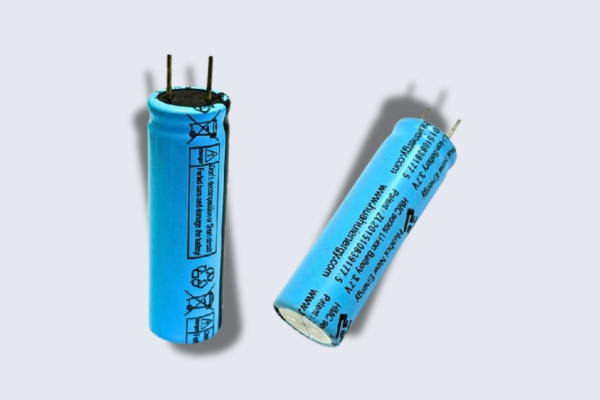
lithium manganese oxide batteries

What Are Lithium Manganese Oxide Batteries?

Common Formats

Lithium manganese oxide is a lithium-ion chemistry used across both small and mid-sized applications where performance and dependable power matter. These batteries may look very different depending on the device or system they come from.

Common lithium manganese oxide battery examples include:

Why Battery Type Matters

LMO batteries are not the same as LFP, NMC, lithium cobalt oxide, or every other lithium chemistry. Chemistry affects how the battery should be handled, stored, transported, and routed once it is ready for recycling.


Battery format matters too. A small drill battery is very different from a larger EV module or industrial equipment battery, and those differences change the safest and most practical recycling path.

Why Lithium Manganese Oxide Battery Recycling Matters

These batteries may be common, but they still require proper recycling to reduce risk and recover useful materials.


  • Reduces fire and safety risk
  • Keeps lithium batteries out of the waste stream
  • Supports recovery of metals and materials
  • Helps manage equipment battery disposal
  • Reduces environmental impact

Lithium Manganese Oxide Battery Recycling Options

Drop-Off Services

Battery Recycling and Solutions offers drop-off services for smaller lithium manganese oxide battery loads that can be transported safely and managed without more involved coordination. This is often the best fit for smaller tool batteries and straightforward recycling needs.


  • Best for small quantities
  • Works for tool batteries and smaller units
  • Good for simple recycling needs
  • Easy and straightforward option

Pickup Services

Battery Recycling and Solutions offers pickup services for lithium manganese oxide battery projects involving equipment batteries, bulk loads, and larger commercial or facility-based needs. This is often the better option when the project includes industrial batteries, recurring loads, or more organized removal planning.


  • Businesses and facilities
  • Equipment battery loads
  • Bulk quantities
  • EV or industrial battery components
  • Better for recurring recycling needs

Project-Based Recycling Support

Battery Recycling and Solutions also supports more organized battery removal projects where lithium manganese oxide batteries are part of upgrades, replacements, or larger equipment cleanouts.


  • Equipment upgrades
  • Battery replacements
  • Industrial cleanouts
  • EV-related battery handling
  • Better for organized removal projects

How to Prepare Lithium Manganese Oxide Batteries for Recycling

Establish what you are dealing with before moving anything.

Identify and Separate

Start by confirming the batteries are lithium manganese oxide when possible. Separate damaged batteries from intact ones and avoid mixing them casually with other battery chemistries.

Store Safely Before Recycling

Keep the batteries in a cool, dry place and protect them from impact and puncture. Avoid loose or unstable storage, and isolate damaged units from the rest of the load.

Prepare for Drop-Off or Pickup

Place batteries in secure containers, organize larger loads by battery type or project, and label bulk loads when helpful. For bigger or more complex loads, schedule pickup so the project can be handled more cleanly.

What Happens After Lithium Manganese Oxide Battery Collection + During Recycling Process

Lithium manganese oxide battery recycling follows a controlled process designed to sort batteries by chemistry and condition and move materials through the proper recovery path.

one

Collection and Sorting

Batteries are collected through drop-off or pickup and then sorted by type and condition. This helps keep the recycling stream safer and more organized from the beginning.

two

Processing and Separation

Once sorted, the batteries move through controlled processing steps where materials are separated safely based on battery chemistry. This helps prepare them for downstream recovery.

three

Material Recovery

Lithium and other battery materials may be recovered and routed through the proper downstream channels. Remaining materials are then handled through the appropriate recycling process.

Frequently Asked Questions About
Lithium Manganese Oxide Battery Recycling

Lithium manganese oxide batteries show up in everything from power tools to EV systems, which can make recycling questions less straightforward. These answers can help you handle them correctly.

Can lithium manganese oxide batteries go in the trash?

No. Lithium manganese oxide batteries should not go in the trash because they still require proper handling and recycling.

They are a type of lithium-ion battery chemistry, but not every lithium-ion battery is lithium manganese oxide. Chemistry still matters for recycling and handling.

They are often used in power tools, EV systems, medical equipment, industrial devices, and some portable electronics.

Yes, but damaged batteries should be separated from intact units and handled more carefully before drop-off or pickup.

They should be kept in a cool, dry place, protected from puncture and impact, and isolated if damaged.

Depending on the battery and downstream process, lithium and other battery materials may be recovered.