
UPS Battery Recycling

UPS batteries are used in backup power systems that protect data centers, server rooms, network equipment, and other critical operations when utility power drops or fails. Because these batteries help keep important systems running during outages, UPS battery recycling is tied closely to uptime, safety, and operational continuity. Battery Recycling and Solutions offers drop-off for smaller units, pickup for bulk UPS batteries and facility projects, and multi-site coordination for IT and infrastructure teams.

Quick Answer: How to Recycle UPS Batteries

UPS battery recycling usually comes down to drop-off for small office units or IT closet cleanouts, pickup for data centers, server rooms, and bulk battery loads, or ongoing recycling programs for recurring replacement cycles. In most cases, UPS battery recycling is planned around replacement schedules and facility operations rather than handled as a last-minute cleanup. The right option depends on battery type, quantity, and how the project fits into your broader infrastructure work
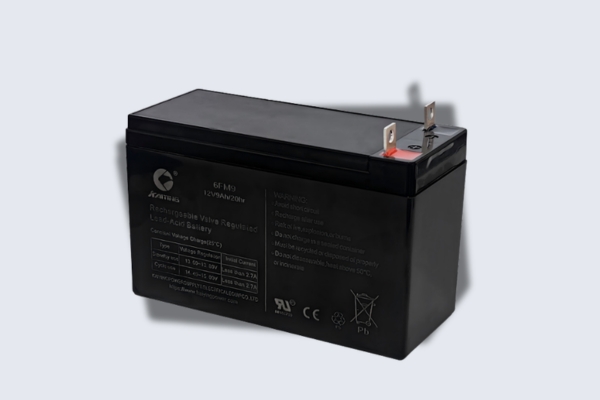
ups battery

What Are UPS Batteries?

Common Formats

UPS batteries are backup batteries that keep equipment running when power is interrupted. They can range from a single small unit protecting one workstation to large systems supporting racks, server rooms, or full battery banks.

Common UPS battery examples include:

These batteries can range from one small office unit to full battery room scale.

Common UPS Battery Chemistries

UPS batteries are not all built the same way. The most common UPS battery chemistry in many settings is VRLA or sealed lead-acid, but newer systems increasingly use lithium-ion, and some sites may have less common or site-specific battery types.


  • VRLA or sealed lead-acid
  • Lithium-ion
  • Other site-dependent chemistries

Where UPS Batteries Are Used

UPS batteries are used anywhere power interruptions can create downtime, data loss, or operational risk. They are especially common in environments where even a short power event can disrupt systems people rely on.


  • Data centers
  • Server rooms and IT closets
  • Security and access systems
  • Healthcare equipment
  • Commercial facilities
  • Network infrastructure

UPS Battery Recycling Options

Drop-Off Services

Battery Recycling and Solutions offers UPS battery drop-off services for smaller battery loads that can be transported safely and handled without more involved site coordination. This is usually the best fit for small office units, IT closet cleanouts, and simple projects.


  • Small office units
  • IT closet cleanouts
  • Simple loads
  • Quick turnaround

Pickup Services

Battery Recycling and Solutions offers pickup services for UPS battery projects involving data centers, server rooms, battery rooms, and larger replacement cycles. This is usually the better fit when the batteries are heavier, more numerous, or tied to a broader facility project.


  • Data centers
  • Server rooms
  • Battery rooms
  • Bulk loads
  • Replacement cycles

Ongoing Recycling Programs

Battery Recycling and Solutions also supports ongoing UPS battery recycling programs for organizations that generate recurring battery loads across one or more locations. This is often the strongest fit for IT teams and facilities that want a repeatable process instead of handling each battery replacement project from scratch.


  • Recurring battery replacements
  • Multi-site IT operations
  • Enterprise-level support
  • Standardized processes

How to Prepare UPS Batteries for Recycling

Start with a quick assessment before handling anything.

Identify What is
on Site

Start by identifying the battery type, the quantity, the site location, and whether the batteries are intact or damaged. This helps shape the rest of the project and makes quoting, packaging, pickup planning, and documentation much cleaner from the start.

Separate by Type
and Condition

Once you know what is on site, separate the batteries by type and condition. Keep intact batteries separate from damaged ones, do not casually mix chemistries, and keep the load organized before removal begins.

Stage and Package for Site Removal

Stage the batteries in a way that reduces shifting and prevents terminal contact. Use packaging that fits the battery type and condition, and label the loads by site when that helps keep the project organized across multiple locations or formats.

What Happens After UPS Battery Collection + Recycling Process

UPS battery recycling follows a controlled process designed to handle high-energy batteries safely and route them through the proper recycling stream. From collection through downstream processing, the goal is to separate batteries by chemistry and condition and move them through the right path without adding unnecessary risk.

one

Collection and Transport

UPS batteries move through controlled handling and facility-based logistics based on the project size and battery setup. This helps support safer movement of heavy batteries and reduces problems during transport.

two

Sorting and Processing

Once collected, UPS batteries are separated by chemistry, such as VRLA or lithium-ion, and routed based on condition. This makes sure different UPS battery types are handled through the appropriate recycling stream.

three

Material Recovery

After sorting and processing, recoverable materials such as metals and plastics move into the proper downstream recycling streams. Remaining materials and residues are then handled through the appropriate controlled process.

Frequently Asked Questions About
UPS Battery Recycling

UPS battery recycling often involves IT infrastructure, replacement cycles, and safety considerations. These common questions can help you handle the process more confidently.

Can UPS batteries go in the trash?

No. UPS batteries should not go in the trash because they can create safety and environmental problems and need to be routed through the proper battery recycling stream.

Start by checking the battery label and the UPS documentation. The chemistry is often listed directly, and if it is not, the system specifications usually help confirm it.

In many cases, yes. Pickup is often the better fit for server rooms, rack systems, battery rooms, and larger UPS replacement projects.

Keep them upright, stable, dry, and protected from terminal contact. Damaged or swollen batteries should be isolated immediately and kept separate from intact units.

It depends on the system, environment, and usage pattern, but many UPS batteries are replaced on a multi-year cycle rather than lasting indefinitely.

Yes, but damaged UPS batteries should be isolated early and handled more carefully during staging, packaging, and removal.

Yes. Businesses often keep pickup records, battery type and quantity notes, and certificates of recycling for internal tracking and compliance support.

Yes. Multi-site organizations often benefit from a more consistent process for staging, chemistry separation, pickup coordination, and documentation across locations.