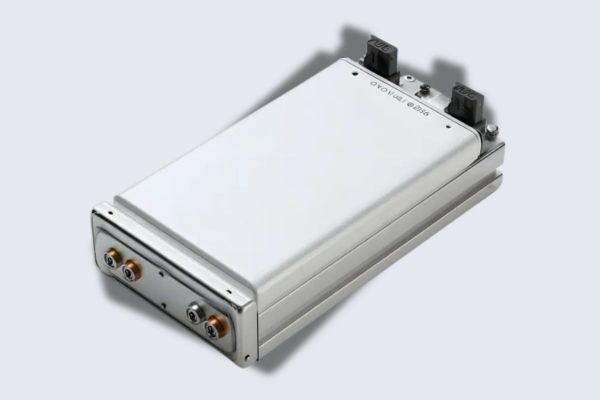
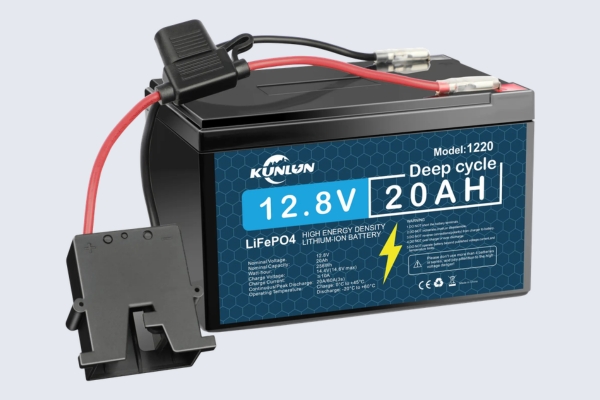
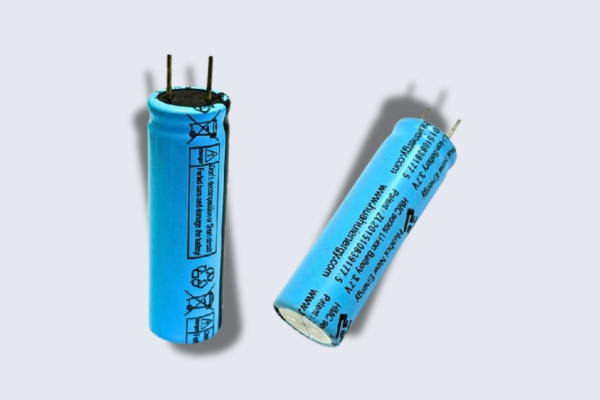
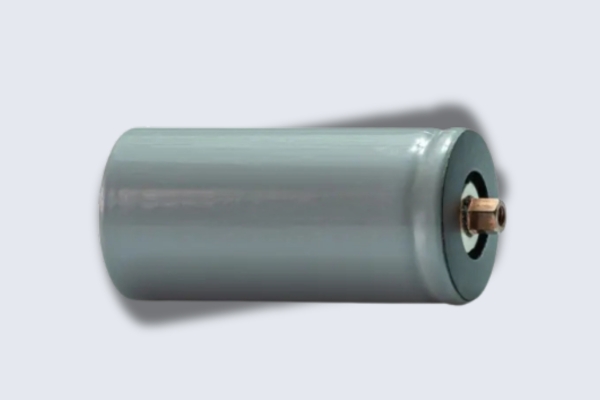
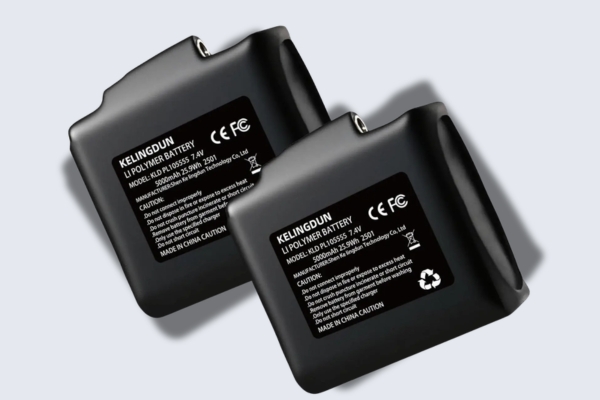
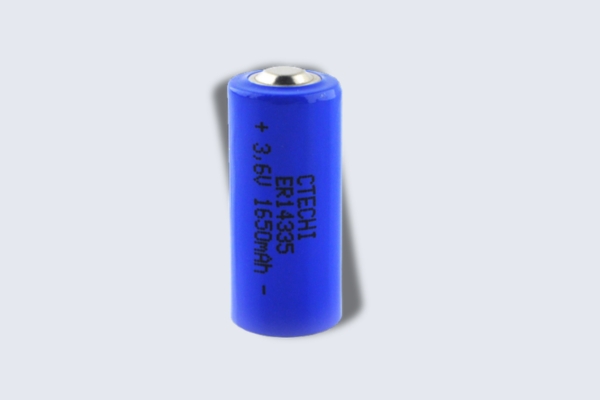
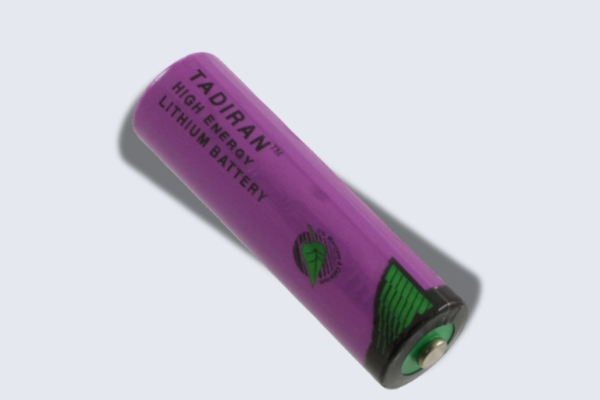
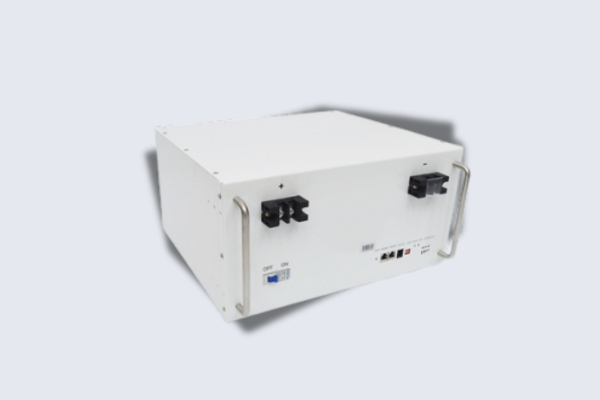
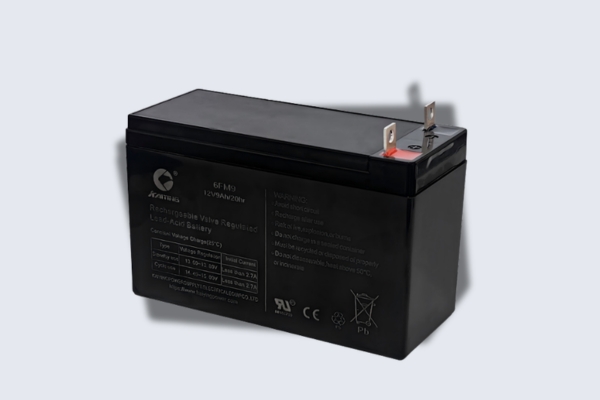
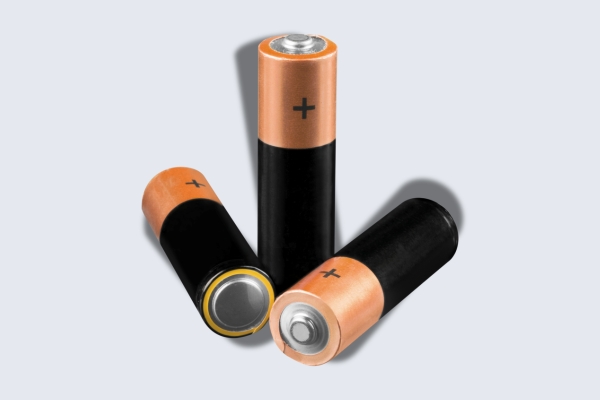
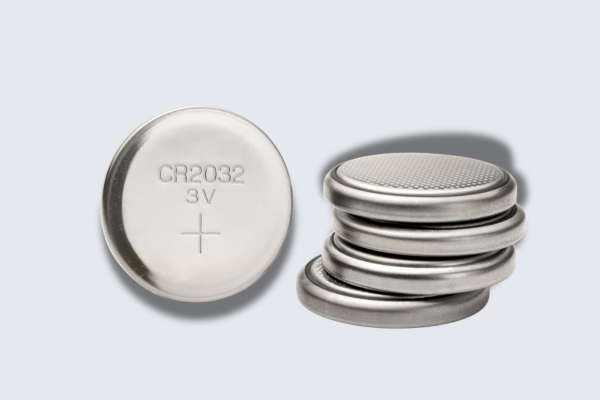
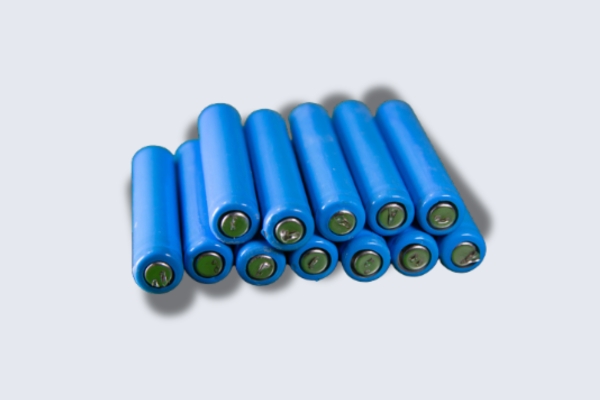
Find the list of batteries we recycle below. Categorized by lithium, lead-based, and other battery types. If you don’t see a battery on here, just contact us directly below, we probably recycle it!
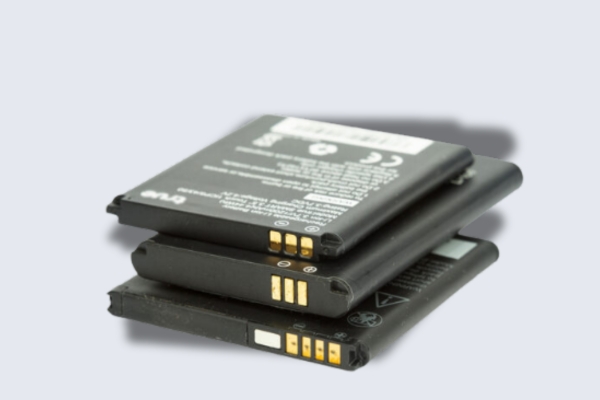
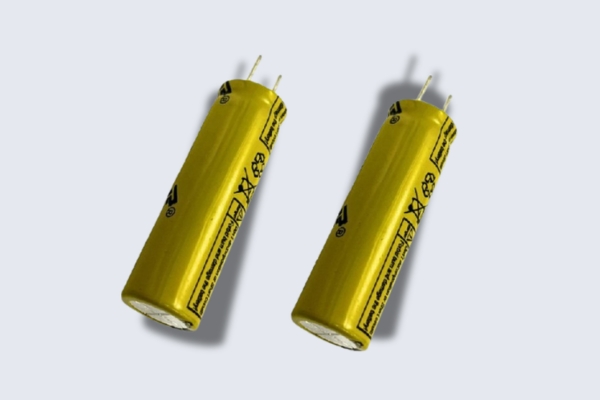
Rechargeable lithium batteries designed to power mobile phones and handheld communication devices.
Common Uses:
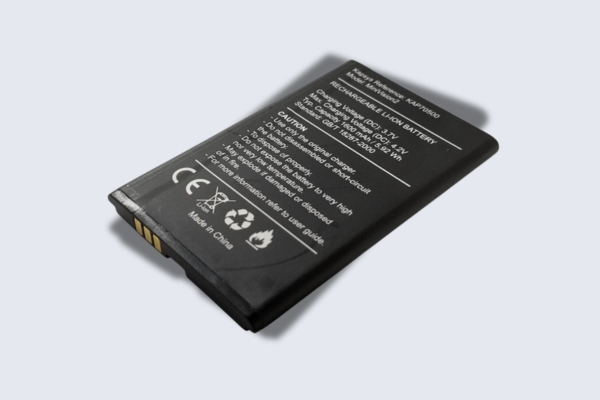
Lithium batteries that are embedded within portable electronic devices and everyday technology products.
Common Uses:
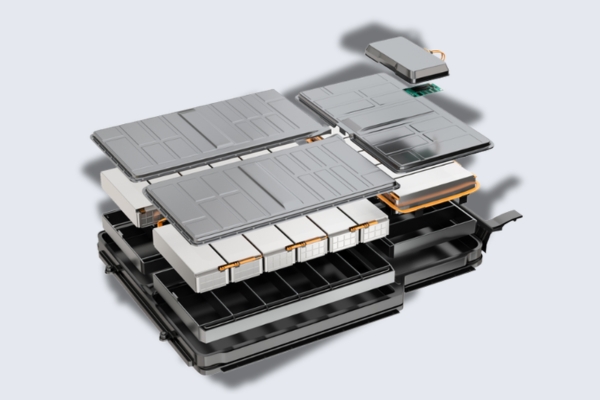
High-capacity lithium battery systems used to store and deliver power for electric and hybrid vehicles.
Common Uses:
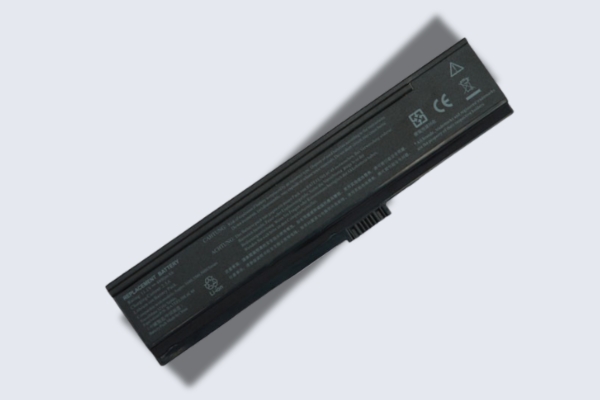
Rechargeable lithium batteries designed to power laptops and portable computing devices for daily use.
Common Uses:
Lithium-based battery chemistry commonly used in compact electronics requiring high energy density.
Common Uses:
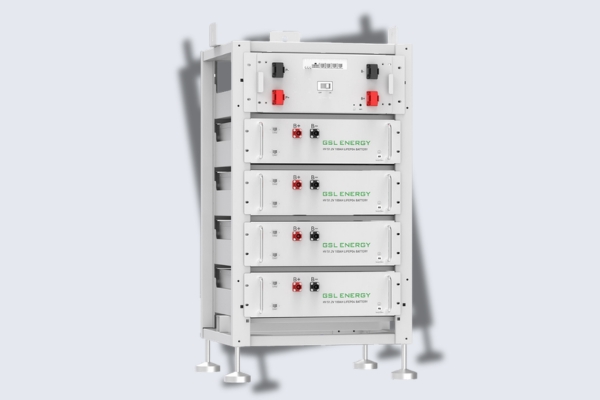
Stable lithium battery chemistry known for safety and long cycle life in energy storage and power systems.
Common Uses:
Non-rechargeable lithium battery chemistry used in small devices requiring reliable and long-lasting power output.
Common Uses:
Lithium-based battery chemistry used in applications requiring high power output and thermal stability.
Common Uses:
Advanced lithium battery chemistry balancing performance, capacity, and lifespan across applications.
Common Uses:
Flexible lithium battery format commonly used in lightweight devices requiring compact design and rechargeable power.
Common Uses:
Non-rechargeable lithium batteries designed for long shelf life and reliable power in critical applications.
Common Uses:
High-energy lithium primary battery used in specialized applications requiring long-term, stable power supply.
Common Uses:
Lithium battery chemistry known for fast charging, long lifespan, and strong performance.
Common Uses:
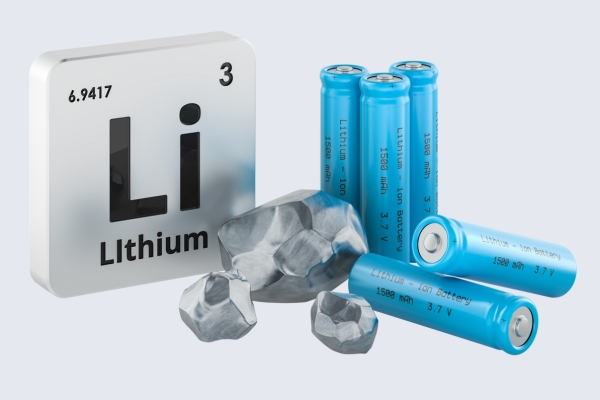
Rechargeable lithium battery widely used across modern electronics, vehicles, and energy storage systems.
Common Uses:
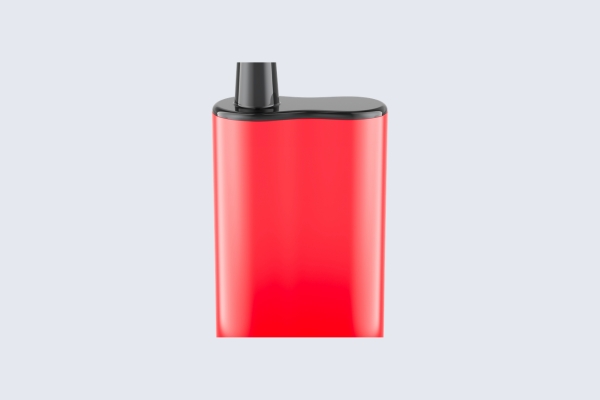
Small rechargeable lithium batteries designed to power vape pens and portable vaporizing devices.
Common Uses:
Industrial lead-acid batteries designed for large-scale backup power systems and critical infrastructure applications.
Common Uses:
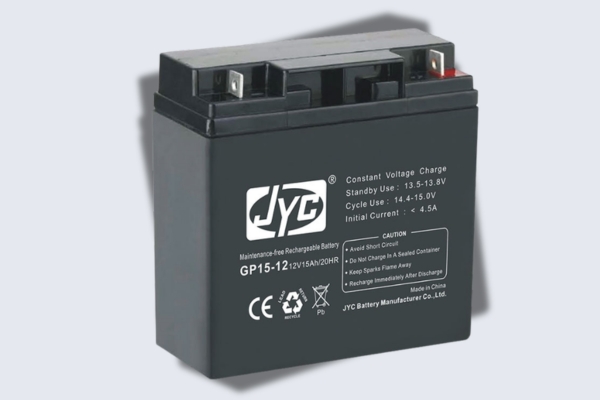
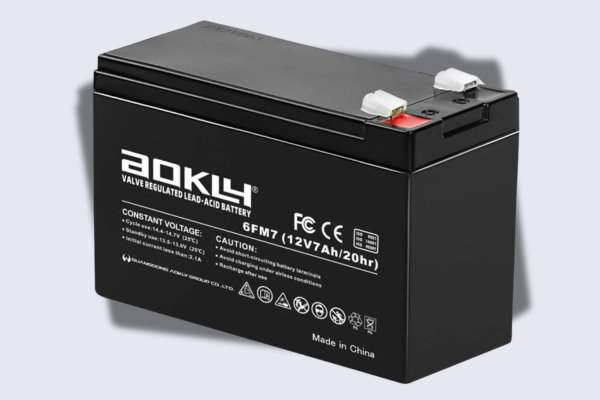
Sealed lead-acid batteries designed for maintenance-free operation in backup power and equipment applications.
Common Uses:
Backup power batteries used in APC uninterruptible power supply systems to maintain power during outages.
Common Uses:
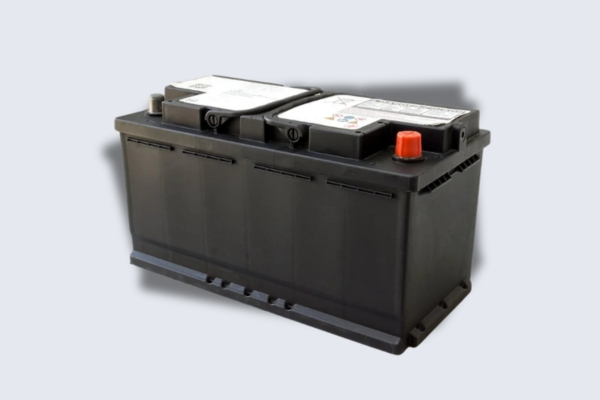
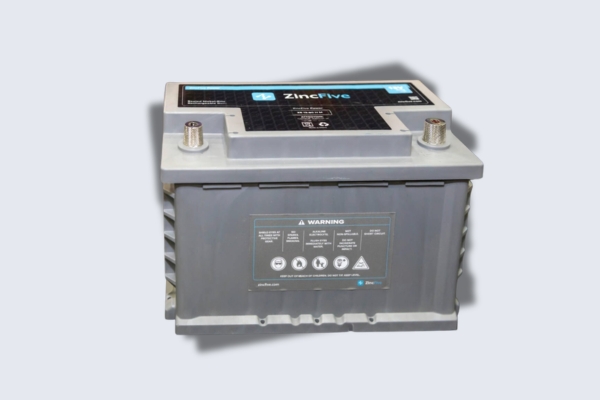
Lead-acid batteries used to start, power, and support electrical systems in standard and commercial vehicles.
Common Uses:
Traditional lead-acid batteries containing liquid electrolyte used in heavy-duty and industrial applications.
Common Uses:
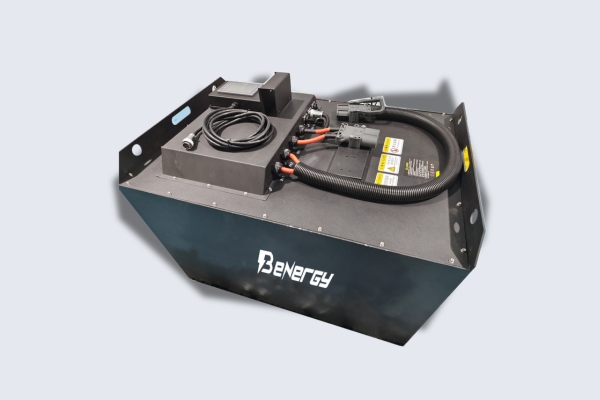
Large industrial lead-acid batteries designed to power electric forklifts and material handling equipment.
Common Uses:
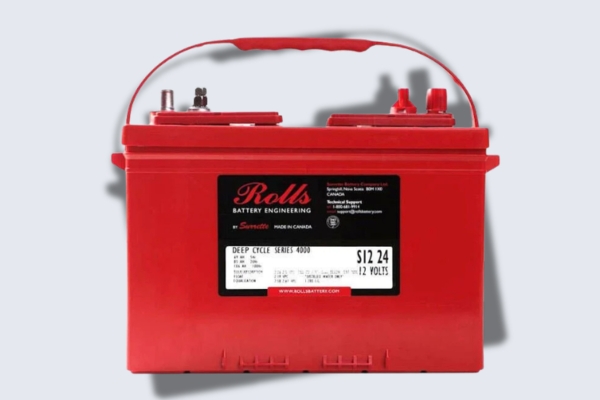
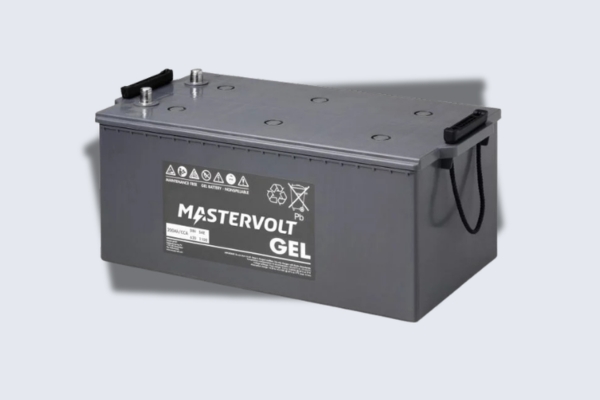
Sealed lead-acid batteries using gel electrolyte designed for stable performance in deep-cycle applications.
Common Uses:
Rechargeable battery type widely used for automotive, industrial, and backup power applications.
Common Uses:
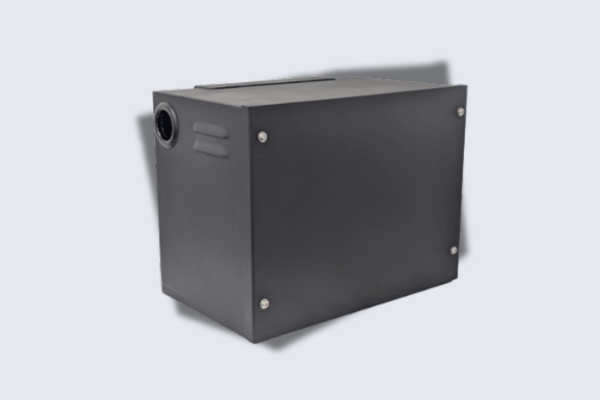
Durable battery units enclosed in steel housing designed for industrial and heavy-duty applications.
Common Uses:
Backup batteries used to maintain continuous power for communication and network infrastructure systems.
Common Uses:
Uninterruptible power supply batteries used to provide immediate backup power during electrical interruptions.
Common Uses:
Common single-use batteries used in everyday household and consumer electronic devices.
Common Uses:
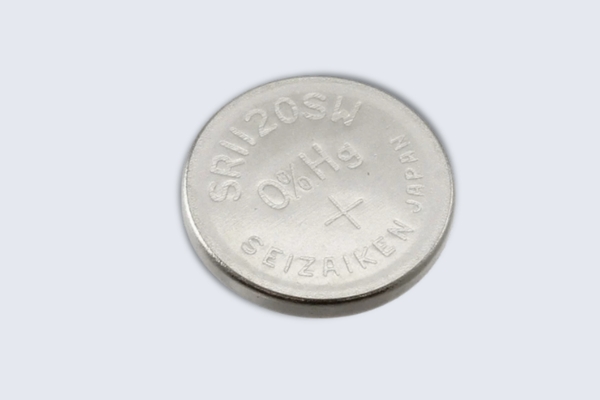
Small, round batteries used in compact electronic devices requiring low, steady power.
Common Uses:
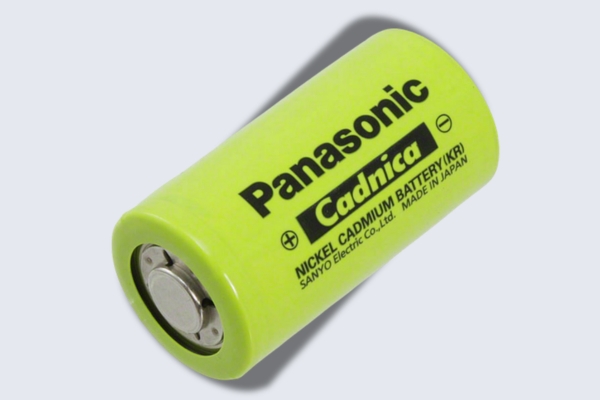
Rechargeable nickel-cadmium batteries used in industrial, aviation, and backup power applications.
Common Uses:
Durable rechargeable batteries designed for long lifespan and use in industrial and energy storage systems.
Common Uses:
Rechargeable nickel-based batteries designed for high power output and improved performance over standard alkaline batteries.
Common Uses:
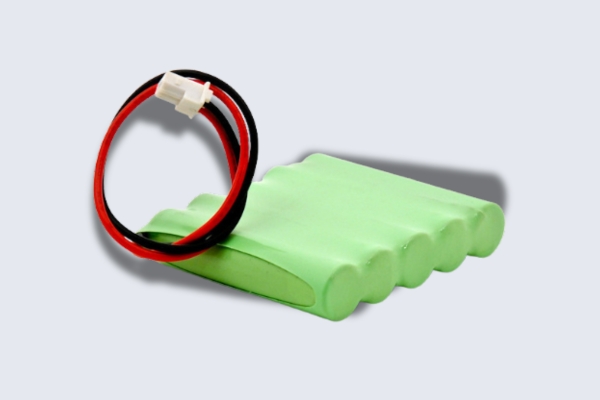
Rechargeable nickel-metal hydride batteries used in consumer electronics and portable power applications.
Common Uses:
Battery materials and components generated during manufacturing that require proper recycling and handling.
Common Uses:
Small batteries known for stable voltage output, commonly used in precision electronic devices.
Common Uses:
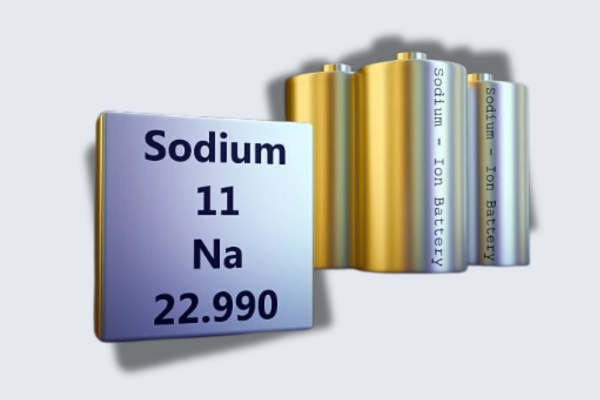
Emerging battery technology using sodium-based chemistry for energy storage and large-scale applications.
Common Uses:
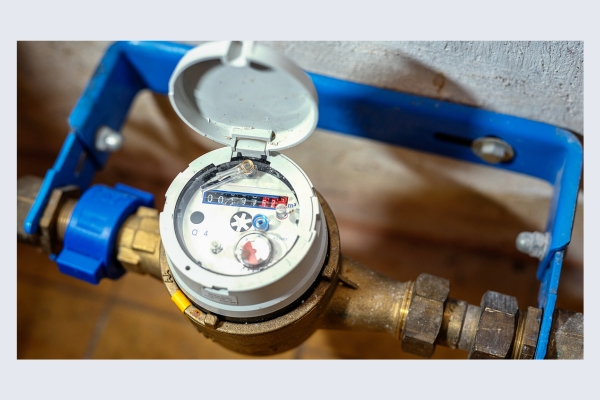
Long-life batteries used in utility metering systems for water monitoring and data collection.
Common Uses:
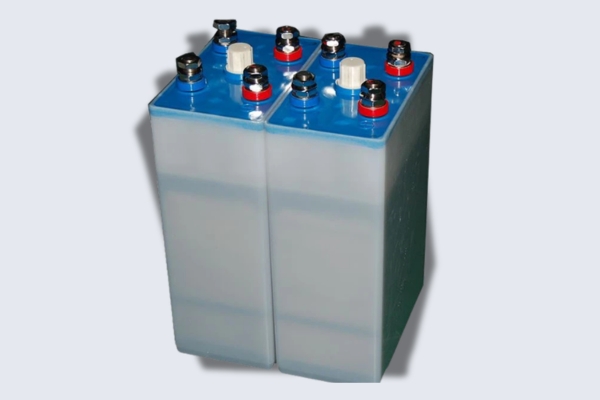
Industrial nickel-cadmium batteries with liquid electrolyte used in heavy-duty and backup power applications.
Common Uses:
Battery type commonly used in consumer and industrial applications requiring reliable, low-cost power.
Common Uses:
Battery Recycling and Solutions makes it easy to handle batteries the right way, whether you have a few units or a full-scale project. Get started with a solution that is safe, efficient, and built around your needs.

Recycle Your Batteries
Connect with us