
Silver Oxide Battery Recycling

Silver oxide battery recycling usually involves small button-cell batteries used in watches, medical devices, hearing aids, calculators, and other compact electronics that need stable, long-lasting power. These batteries are easy to overlook because of their size, but they still need proper recycling because they contain recoverable materials and should be kept out of the trash. Battery Recycling and Solutions offers drop-off for smaller silver oxide battery quantities and pickup for bulk loads, business projects, and ongoing battery recycling needs.

Quick Answer: How to Recycle Silver Oxide Batteries

Silver oxide battery recycling usually comes down to drop-off for smaller personal or office battery quantities and pickup for businesses, facilities, bulk loads, and larger collection projects. These batteries are small, but they still require proper handling and should not be thrown in the trash. The right option depends on quantity, storage conditions, and whether the load is part of a simple cleanup or a larger operational recycling project.
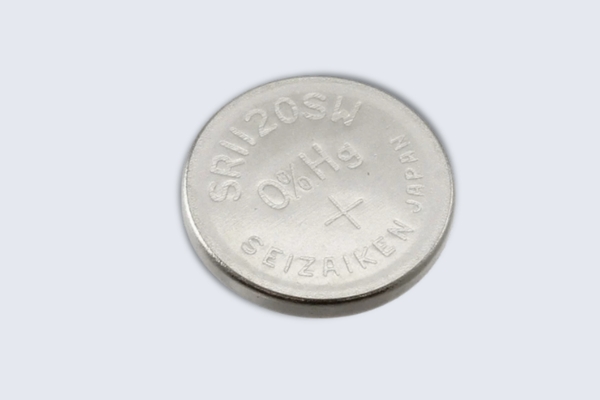
Silver Oxide Battery

What Are Silver Oxide Batteries?

Common Formats

Silver oxide batteries are small button-cell batteries, often grouped with coin-cell batteries because of their flat, compact shape. They are designed for devices that need reliable, steady power in a very small battery format.

Common silver oxide battery examples include:

Why Battery Type Matters

Silver oxide batteries are different from lithium coin cells, alkaline button cells, zinc-air batteries, and other small battery chemistries, which is why they need to be identified correctly before recycling. Even though many button-style batteries look similar, the internal chemistry affects how they should be sorted and routed.


A few loose watch batteries are very different from containers of mixed button-cell batteries collected from jewelry stores, medical offices, repair operations, or battery recycling programs. That difference affects how the load should be handled and processed.

Where Silver Oxide Batteries Are Commonly Used

Watches and Precision Devices

  • Wristwatches
  • Small timing devices
  • Precision electronics

Medical and Hearing Applications

  • Hearing devices
  • Small medical instruments
  • Monitoring and specialty devices

Household and Specialty Electronics

  • Calculators
  • Small electronics
  • Specialty battery-powered accessories

Silver Oxide Battery Recycling Options

Drop-Off Services

Battery Recycling and Solutions offers drop-off services for smaller silver oxide battery loads that can be transported safely and handled without more involved coordination. This is often the best fit for household batteries, watch batteries, and small office quantities.


  • Best for smaller quantities
  • Watch and button-cell batteries
  • Simple transport
  • Straightforward recycling option

Pickup Services

Battery Recycling and Solutions offers pickup services for silver oxide battery recycling projects involving businesses, facilities, medical environments, and larger battery quantities. This is often the better fit for structured collection loads and more involved logistics.


  • Businesses and facilities
  • Bulk battery quantities
  • Medical or specialty device loads
  • Larger recycling projects
  • More controlled battery removal

How to Prepare Silver Oxide Batteries for Recycling

Start by getting clear on the basics of silver oxide batteries before moving anything.

Identify and Separate

Confirm the batteries are silver oxide when possible and separate them from lithium coin cells, alkaline button cells, zinc-air batteries, and other battery types.

Store Safely Before Recycling

Keep silver oxide batteries contained, dry, and organized before drop-off or pickup. Avoid leaving them loose in drawers, bins, or mixed battery containers where they can be lost or mixed with other chemistries.

Prepare for Drop-Off or Pickup

Place smaller batteries in secure containers, organize larger loads by project or location, and label bulk quantities when helpful. For larger or ongoing battery projects, pickup is usually the better option.

What Happens After Silver Oxide Battery Collection + During The Recycling Process

Silver oxide battery recycling follows a controlled process designed to separate these batteries from other chemistries and move recoverable materials through the proper downstream channels.

one

Collection and Sorting

Batteries are collected through drop-off or pickup and sorted away from other button-cell and battery types so the recycling stream starts clean and organized.

two

Processing and Separation

Once sorted, silver oxide batteries move through controlled processing steps where battery materials are separated into the correct downstream streams.

three

Material Recovery

Materials such as silver and other battery components may be recovered through the recycling process, while the remaining materials are handled through the appropriate downstream route.

Frequently Asked Questions About
Silver Oxide Battery Recycling

Silver oxide batteries are small and common in specialty devices, which is why recycling questions often come from people dealing with watches, hearing devices, medical equipment, or mixed button-cell battery loads. These are some of the most practical one

Can silver oxide batteries go in the trash?

No. Silver oxide batteries should not be thrown in the trash and should be recycled properly.

They are used in watches, hearing devices, calculators, medical equipment, and other small electronics.

They are a type of button or coin-cell battery, but not all coin cells are silver oxide. The chemistry still needs to be identified.

Many silver oxide batteries are labeled with codes like “SR” or include silver-related markings, but proper identification may require checking the device or manufacturer details.

Yes. Different button-cell chemistries should be separated to keep the recycling process safer and more organized.

Recycling may recover silver and other battery components depending on the processing method.