Battery Production Scrap

Battery production scrap recycling usually involves metal and material waste generated during battery manufacturing, assembly, pilot production, and scale-up operations. This can include off-spec components, foil scrap, tabs, trimmings, casings, rejected battery parts, and other recyclable materials created on the factory floor. Battery Recycling and Solutions helps manufacturers and battery-related operations manage production scrap through practical recycling support focused on safe handling, organized pickups, and proper recycling of recoverable metals and materials.

Quick Answer: How to Recycle Battery Production Scrap

Battery production scrap recycling usually comes down to identifying the material stream, separating recyclable metals and battery-related components, and routing them through the proper recycling path based on type, condition, and volume. Smaller or cleaner metal-only loads may be easier to stage and move, while larger or mixed production scrap projects usually require pickup and more structured handling. The goal is to keep recyclable battery manufacturing materials out of the waste stream and move them into the right recovery process.
production scrap hero

What Counts as Battery Production Scrap?

Common Production Scrap Types

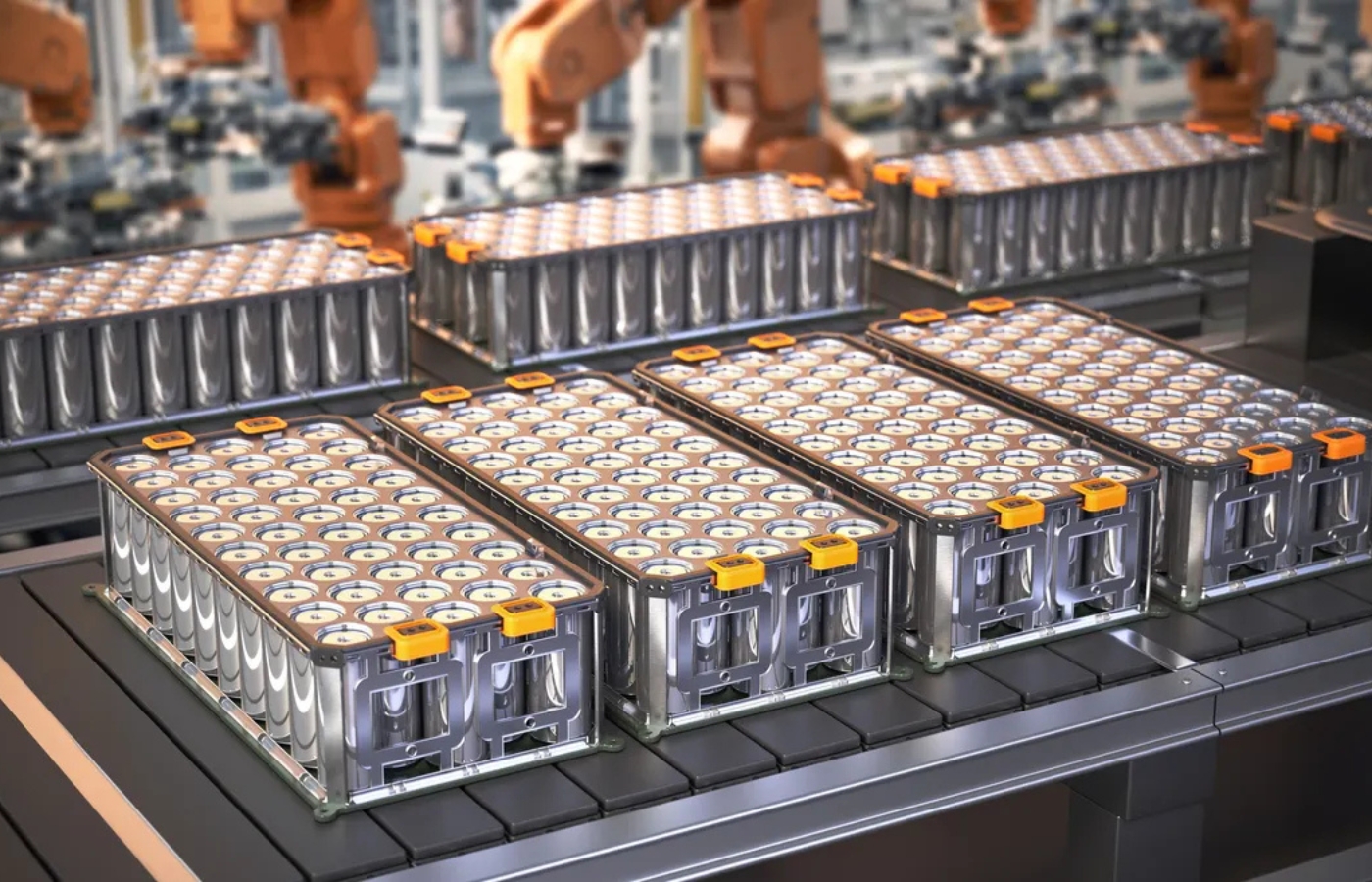
Battery production scrap can include a wide range of manufacturing waste generated before a battery ever reaches end use. This is usually factory-floor material, assembly scrap, or off-spec production waste rather than consumer battery disposal. In other words, this page is about the metal and battery-related materials created during production, not old household batteries

Common battery production scrap examples include:

Battery Production Scrap Recycling Options

Scheduled Pickup Services

Battery Recycling and Solutions offers pickup support for battery production scrap projects involving manufacturers, pilot lines, assembly operations, and larger scrap volumes. This is usually the best fit for recurring production waste and facility-based loads.


  • Manufacturers and production sites
  • Bulk scrap volumes
  • Pilot and scale-up operations
  • Ongoing scrap removal
  • Controlled pickup coordination

Project-Based Scrap Removal

Some operations generate production scrap during line upgrades, cleanouts, or temporary manufacturing runs. Project-based recycling support can help clear material efficiently without disrupting operations.


  • Facility cleanouts
  • Line changes
  • Production changeovers
  • Temporary scrap surges

How to Prepare Battery Production Scrap for Recycling

Start by getting clear on the material stream before moving anything.

Identify and Separate

Separate clean metal scrap from mixed production waste, off-spec battery components, or other battery-related materials. The cleaner the separation is upfront, the easier the recycling process becomes later.

Organize by Material and Condition

Group materials by type when possible, such as copper-bearing scrap, aluminum scrap, mixed metal parts, or off-spec components. Cleaner separation makes recycling easier and more efficient.

Stage and Prepare for Pickup

Keep materials stable, labeled, and organized by line, site, or project when helpful. For recurring production scrap, pickup is usually the best option.

What Happens After Battery Production Scrap Collection + During The Recycling Process

Battery production scrap recycling follows a controlled process designed to separate recyclable metals and battery-related manufacturing materials and move them through the proper downstream recycling channels. The focus is on clean routing, practical handling, and making sure recoverable materials do not get lost in the wrong waste stream.

one

Collection and Sorting

Production scrap is collected and sorted by material stream so recyclable metals and battery-related components can be routed correctly. This first step helps keep the project organized and prevents clean material from getting mixed into the wrong load.

two

Processing and Separation

Once sorted, materials move through the appropriate recycling process based on composition, cleanliness, and recoverability. Different scrap streams do not all follow the same path, which is why early sorting matters so much.

three

Material Recovery

Recoverable metals and related materials are moved into the proper downstream recycling streams, while non-recyclable or non-matching materials are separated out for the correct handling path.

Frequently Asked Questions About
Battery Production Scrap Recycling

Battery production scrap recycling questions usually come from manufacturers and production teams trying to figure out what can be recycled, how to separate it, and how to keep scrap from disrupting operations. These are some of the most practical ones.

What counts as battery production scrap?

Battery production scrap can include foil, tabs, off-spec components, trimmings, bus bars, casings, rejected battery parts, and other metal or battery-related materials generated during manufacturing and assembly.

Yes, in many cases off-spec battery parts can be recycled, but the right route depends on the material type, condition, and how mixed the load is.

Common recoverable metals can include copper, aluminum, steel, and other metal-bearing battery manufacturing materials when the stream is suitable.

Yes. Battery production scrap recycling can include foil, tabs, connectors, and other battery-related metal materials generated on the production floor.

Yes. Pickup is often the best fit for recurring production scrap, especially for manufacturers and facilities generating regular scrap volumes.

Yes. Ongoing programs can help manufacturers manage recurring scrap streams with more consistency and less disruption.

Documentation can be provided based on the project and material stream, including certificates of recycling that help support internal tracking and project closeout.