Device Battery Recycling

Everyday devices like remotes, toothbrushes, flashlights, speakers, and small electronics create more battery waste than most people realize. Some use lithium-ion batteries, some use alkaline, and some use smaller specialty batteries, but all of them need proper recycling once they reach the end of their life. Battery Recycling and Solutions offers drop-off for smaller quantities and pickup for bulk device battery loads, office cleanouts, and larger recycling projects.

Quick Answer: How to Recycle Device Batteries

Device battery recycling usually comes down to drop-off for smaller household quantities or pickup for bulk loads from offices, schools, facilities, and organized cleanouts. These batteries should not go in the trash, even when they seem small or harmless. Small devices still create real battery waste, and proper recycling is the safest way to handle it.
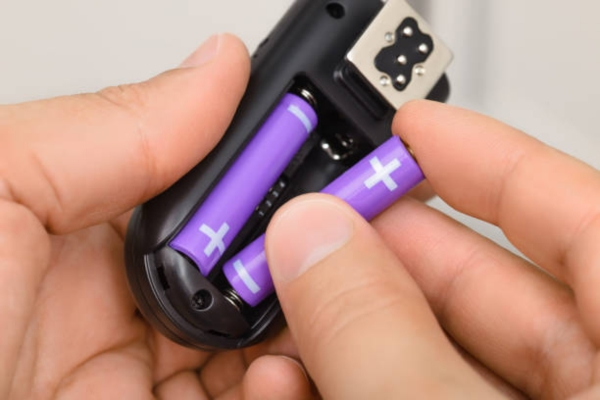
remote with batteries

What Are Device Batteries?

What Counts as a Device Battery

Device batteries are the batteries used in everyday electronics and small powered items, whether the battery is removable or built directly into the device. This can include everything from a garage door opener to a Bluetooth speaker or an electric toothbrush.

What We Consider Device Batteries

Where to Recycle Device Batteries

Battery Recycling and Solutions offers device battery recycling services for both household quantities and larger business or facility loads. Our services are built around battery type, device format, and volume, so the recycling process can match the actual load instead of treating everything the same way.


  • Drop-off for small device battery quantities
  • Pickup for bulk loads and cleanouts
  • Support for offices, schools, and facilities
  • Service based on battery type and project size

Drop-Off Services

Drop-off is usually the best fit for smaller household batteries and lower-volume device recycling. It works well when the batteries or devices can be transported safely without a more involved removal plan.


  • Best for household batteries
  • Small electronics and personal devices
  • Easy and quick option
  • Works for low-volume recycling

Pickup Services

Pickup is often the better option when device batteries are part of a larger cleanout or recurring recycling need. This is especially useful for workplaces, schools, and facilities dealing with volume instead of just a handful of batteries.


  • Offices and workplaces
  • Schools and facilities
  • Bulk electronics and device batteries
  • Cleanouts and upgrades
  • Recurring recycling needs

How to Prepare Prepare Device Batteries for Recycling

Start by getting clear on the basics of your device batteries before moving anything.

Identify and Separate

Start by identifying battery types when possible and separating damaged batteries from intact ones. It also helps to separate removable batteries from devices with built-in batteries so the load is easier to manage from the start.

Store Safely Before Recycling

Keep the batteries in a cool, dry place and avoid tossing loose batteries together without protection. Damaged or leaking batteries should be isolated so they do not create a larger storage or handling problem.

Prepare for Drop-Off or Pickup

Use containers for loose batteries, keep devices organized if the batteries are still installed, and label larger loads when helpful. For bigger projects, scheduling pickup is often the cleaner and safer option.

What Happens After Device Battery Collection

Device battery recycling follows a structured process that accounts for different battery types, device formats, and load conditions. The goal is to keep the load organized, route batteries into the right recycling streams, and recover materials where possible.

one

Collection and Sorting

Once collected, batteries are sorted by battery type and separated by condition and format. This helps keep the recycling stream safer and more organized from the beginning.

two

Processing and Separation

After sorting, the batteries are routed into the correct recycling streams based on chemistry and construction. If the battery is still inside the device, the device may need to be handled separately before the battery can move through the proper process.

three

Material Recovery

Metals and battery materials may be recovered and routed into downstream recycling channels. Remaining materials are then processed through the appropriate recycling path.

Frequently Asked Questions About
Device Battery Recycling

Device batteries come from a wide range of everyday items, which means the recycling questions are usually very practical. These are some of the most common ones people run into.

What kinds of devices have recyclable batteries?

A lot more than most people expect. Remotes, toothbrushes, flashlights, speakers, smoke detectors, headphones, key fobs, tablets, and many other small items may all contain recyclable batteries.

Not always. If the battery is removable and you can take it out safely, that can help. But built-in batteries may need to stay inside the device until they are handled through the proper recycling process.

Yes, in many cases. Built-in batteries are common in smaller electronics and personal devices, and they may need to be handled as part of the full item rather than as a loose battery.

Keep it separate from intact batteries and do not toss it loosely into a drawer, box, or bag. Damaged batteries need more careful handling before drop-off or pickup.

Keep them in a cool, dry place and avoid loose, mixed storage where terminals or damaged casings can create problems. Using small containers helps keep the load cleaner and safer.