
Laptop Battery Recycling

Laptop battery recycling is important for both individuals and organizations dealing with old laptops, replacement batteries, IT upgrades, and device cleanouts. Most laptop batteries today are lithium-ion, and even though they are relatively small, they can still create fire and safety risks when stored or disposed of improperly. Battery Recycling and Solutions offers drop-off for individuals and smaller loads, along with pickup for businesses, IT departments, schools, and bulk device recycling projects.

Quick Answer: How to Recycle Laptop Batteries

Laptop battery recycling usually comes down to drop-off for individuals and smaller quantities or pickup for businesses, IT departments, and schools handling larger device loads. Because most laptop batteries are lithium-ion, they should not go in the trash where they can create fire, safety, and legal issues. Laptop batteries are easy to recycle, but dangerous to ignore.
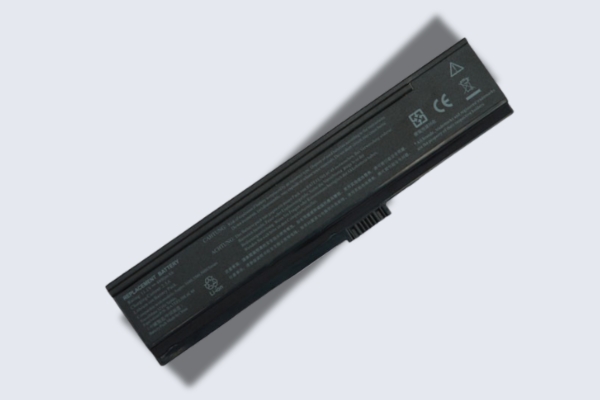
laptop battery

What Are Laptop Batteries?

Common Battery Types

Laptop batteries can vary depending on the age, brand, and design of the device, but most modern laptops use lithium-based battery types. Older devices may still contain other chemistries, which is one reason correct identification matters before recycling.

Common laptop battery types include:

EV batteries use different lithium-ion chemistries depending on the make, model, and battery design. Chemistry matters because it affects handling, fire risk, and the downstream recovery path.

What is Inside a Laptop Battery?

Laptop batteries contain a mix of metals and structural materials that make proper recycling worthwhile. These components can often be recovered and reused when the battery moves through the right recycling process.


  • Lithium
  • Cobalt
  • Nickel
  • Copper
  • Aluminum
  • Plastic casing

Why Battery Type and Condition Matter

Lithium batteries create a greater fire risk when they are damaged, punctured, or stored carelessly. Older battery chemistries can also create toxic leakage concerns, especially when the battery is degraded or mishandled.


Battery condition changes everything. A working laptop battery and a swollen or damaged one may need very different handling, storage, and transport practices before recycling can happen safely.

Common Laptop Brands We Recycle

Battery Recycling and Solutions supports recycling for batteries across all major laptop manufacturers and device types. Whether the battery is still inside the device or already removed, we help route it through the proper recycling path.


  • Apple MacBook batteries
  • Dell laptop batteries
  • HP laptop batteries
  • Lenovo ThinkPad batteries
  • ASUS and Acer laptops
  • Microsoft Surface devices

Laptop Battery Recycling Options

Drop-Off Services

Battery Recycling and Solutions offers drop-off services for individuals and smaller laptop battery loads that can be transported safely. This is usually the simplest option for personal devices, small office cleanouts, and straightforward recycling needs.


  • Individuals
  • Small quantities
  • Personal devices
  • Quick and simple recycling

Pickup Services

Battery Recycling and Solutions offers pickup services for larger device recycling projects involving businesses, IT departments, schools, repair operations, and recurring battery loads. This is often the better fit when the project includes multiple devices or a broader electronics cleanout.


  • Businesses and IT departments
  • Schools and municipalities
  • Bulk device cleanouts
  • Repair shops and refurbishers
  • Recurring battery loads

How to Prepare Laptop Batteries for Recycling

Break down the basics before taking any action.

Identify Battery Type

Start by confirming whether the battery is still inside the laptop or already removed. Separate damaged batteries from intact ones and avoid mixing laptop batteries casually with unrelated battery types or loose device waste.

Store Safely Before Recycling

Keep laptop batteries in a cool, dry location away from pressure, bending, moisture, and heat. If the battery has already been removed, tape the terminals when appropriate and avoid loose stacking or storing them in unsafe piles.

Prepare for Drop-Off or Pickup

Keep loose batteries in a non-metal container, organize larger battery or device loads before transport, and leave the laptop intact if you are unsure about removing the battery safely. For business or bulk projects, schedule pickup so the load can be handled in a more controlled way.

What Happens After Laptop Battery Collection & During The Recycling Process

Laptop battery recycling follows a structured process designed to safely handle lithium batteries and recover reusable materials through the right downstream channels.

one

Collection and Transport

Once collected, laptop batteries are separated by battery type and chemistry. This helps keep lithium batteries apart from other chemistries and supports safer downstream handling.

two

Sorting and Processing

After sorting, the batteries move through controlled breakdown and processing steps so reusable materials can be separated safely. This part of the process is especially important for lithium-based batteries.

three

Material Recovery

Materials such as lithium, cobalt, nickel, and other metals can be recovered and reused in new products. Remaining materials are then handled through the appropriate downstream recycling process.

Frequently Asked Questions About
Laptop Battery Recycling

Laptop batteries are one of the most commonly stored and forgotten types of e-waste. These practical questions can help you handle them safely and recycle them the right way.

Can laptop batteries go in the trash?

No. Laptop batteries should not go in the trash because most are lithium-based and can create fire and safety risks if discarded improperly.

They can be. Damaged, swollen, or punctured laptop batteries may overheat, leak, or catch fire if handled carelessly.

Yes, but it should be handled carefully and kept separate from intact batteries. Swollen batteries usually need more controlled handling.

Not always. In many cases, it is safer to leave the device intact if you are unsure how to remove the battery without damage.

Yes. Whole laptops can often be recycled, and the battery can be handled properly as part of the electronics recycling process.

Laptop battery recycling can help recover materials such as lithium, cobalt, nickel, copper, and aluminum.

In many places, yes or effectively restricted through waste handling rules. Lithium batteries should always be routed through the proper recycling process instead of general trash.