
Forklift Battery Recycling

Forklift battery recycling often involves warehouses, distribution centers, manufacturing facilities, and other operations where heavy equipment batteries are part of daily work. Battery Recycling and Solutions supports small drop-off situations when the load is manageable, but pickup is the primary option for forklift fleets, bulk battery projects, facility removals, and multi-site operations. Because these batteries are heavy, industrial, and most commonly lead-acid, they usually require a more controlled handling plan than smaller battery types.

Quick Answer: How to Recycle Forklift Batteries

Forklift battery recycling is most commonly handled through scheduled pickup because these batteries are large, heavy, and tied to industrial operations. Drop-off may work in limited cases for smaller or more manageable units, but bulk loads and facility-based recycling projects are usually better handled through pickup. In most real-world situations, forklift battery recycling is a pickup-first service.
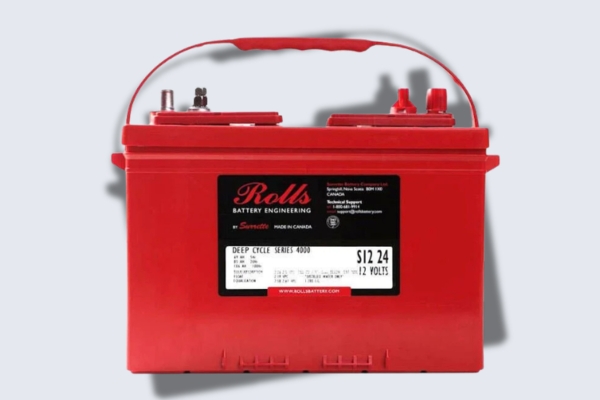
Flooded Lead-Acid Battery

Understanding Forklift Battery Types

Common Formats

Forklift batteries are industrial batteries used to power forklifts, pallet jacks, and similar equipment in commercial and warehouse environments. They can vary by chemistry, size, and weight, but they are generally much larger and heavier than common consumer or backup batteries.

Common forklift battery examples include:

These batteries are built for industrial use, which means size, weight, and equipment access all matter during recycling.

Why Forklift Battery Type Matters

Forklift battery type matters because lead-acid and lithium forklift batteries do not move through the exact same handling and recycling path. Battery chemistry affects how the load should be staged, packaged, transported, and routed after collection.


The project size matters too. A single pallet jack battery is very different from a warehouse battery fleet or a group of large industrial battery trays. That difference affects handling, transport, staging, and the overall recycling route.

Where to Recycle Forklift Batteries

Battery Recycling and Solutions provides forklift battery recycling services built around industrial operations, equipment removal, and bulk battery handling. Our service is designed to support facilities dealing with heavy battery loads, fleet replacements, and larger recycling projects that need a more controlled process.


  • Pickup for warehouses and facilities
  • Support for fleet battery removal
  • Industrial battery handling
  • Service based on battery size and volume

Drop-Off Services

Battery Recycling and Solutions offers drop-off services for smaller forklift battery loads when the units can be transported safely and the project does not require more involved removal coordination. This is a more limited use case compared to pickup, but it can work for manageable loads.


  • Only for smaller or manageable units
  • More limited use case
  • Requires safe transport

Pickup Services

Battery Recycling and Solutions offers pickup services for forklift battery projects involving warehouses, distribution centers, manufacturing facilities, and larger industrial operations. This is the most common option because it better fits heavy battery loads, recurring recycling needs, and fleet battery removals.


  • Warehouses
  • Distribution centers
  • Manufacturing facilities
  • Fleet battery removal
  • Bulk quantities
  • Recurring service

How Long Do Forklift Batteries Last?

Forklift batteries typically last between one and three years, depending on usage, maintenance, and operating conditions. Over time, the internal components break down due to exposure to the battery’s acidic electrolyte, eventually reducing performance and making the battery no longer usable.

How to Prepare Forklift Batteries for Recycling

Start by identifying what you’re working with before moving anything.

Identify and Separate Equipment Batteries

Start by confirming the battery type and separating lithium batteries from lead-based batteries. Any damaged, leaking, or otherwise compromised units should be isolated right away so the load can be handled more safely and routed properly from the start.

Stage for
Industrial Handling

Forklift batteries should be staged in a stable area using proper surfaces that can support their weight. Avoid unnecessary movement, keep the batteries secure, and make sure the staging setup accounts for how heavy industrial batteries can be during removal.

Coordinate
Safe Removal

For larger forklift battery projects, safe removal usually involves pallets, containment, and access planning around loading docks, forklifts, or other site equipment. Equipment access matters here, which is one reason scheduled pickup is often the better fit for industrial battery recycling.

What Happens After Forklift Battery Collection & During Recycling

Forklift battery recycling follows a controlled process built around industrial battery handling, safe removal, and proper routing based on chemistry and condition. Once the batteries are collected, the goal is to move them through the right stream efficiently while accounting for size, weight, and material type.

one

Collection and Transport

Forklift batteries move through controlled collection and transport supported by heavy equipment logistics and site-specific removal planning. This helps reduce handling issues and keeps the project safer from start to finish.

two

Sorting and Processing

Once collected, forklift batteries are separated based on battery chemistry, with lead-acid and lithium batteries moving into different processing routes. Industrial battery loads may also be separated further based on format, size, and condition.

three

Material Recovery

Handling forklift batteries often involves larger equipment and safety concerns. These common questions can help you plan your next step with confidence.

Frequently Asked Questions About
Forklift Battery Recycling

We understand that battery recycling can feel unclear at first. Here are some of the most common questions to help you handle forklift batteries the right way.

Can forklift batteries be recycled?

Yes. Forklift batteries can be recycled, but the right process depends on the battery chemistry, size, condition, and project setup.

In many cases, yes. Because forklift batteries are heavy and often tied to industrial operations, pickup is usually the safer and more practical option.

Forklift batteries can be extremely heavy compared to other battery types, which is one reason equipment access and removal planning matter.

That depends on the project setup and site conditions. Battery Recycling and Solutions can help coordinate forklift battery removal needs based on access, equipment, and battery type.

Before pickup day, identify the battery type, separate damaged units, stage the batteries securely, and make sure equipment access is clear for safe removal.

They can be. Forklift batteries may involve lead, liquid electrolyte, lithium chemistry, and significant weight, all of which require proper handling.

They should be kept stable, secure, and positioned on appropriate surfaces until removal. Damaged batteries should be separated early and not mixed casually with intact units.