
Lithium Titanite Battery Recycling

Lithium titanate batteries are commonly used in UPS systems, grid storage, transit systems, industrial equipment, and fast-charge battery applications where speed, durability, and reliability matter. This lithium-based chemistry is known for fast charging, long cycle life, and strong safety performance, but it still needs proper recycling based on battery format, chemistry, and project scope. Battery Recycling and Solutions offers drop-off for smaller battery units and pickup for bulk battery loads, industrial systems, and commercial projects.

Quick Answer: How to Recycle Lithium Titanate Batteries

Lithium titanate battery recycling usually involves drop-off for smaller, manageable battery units and pickup for UPS systems, industrial battery loads, transit-related systems, and larger projects. Even though this chemistry is often considered safer than some other lithium types, it still should not go in the trash and still requires controlled recycling. In most cases, the right recycling approach depends more on the application and scale of the load than on the chemistry name alone.
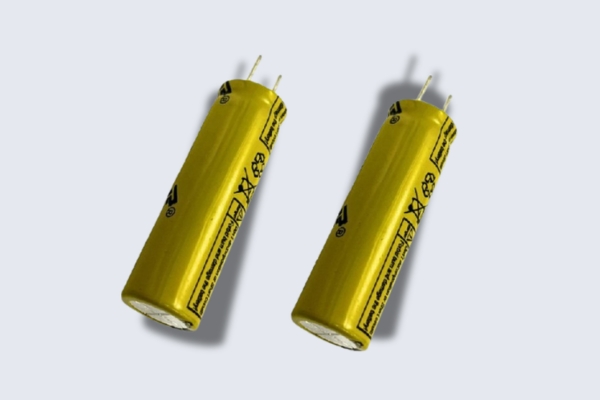
lithium titanate battery

What Are Lithium Titanate Batteries?

What Makes Lithium Titanate Different

Lithium titanate is a lithium-ion battery chemistry that replaces the typical graphite anode with titanate-based material. That change is tied to several well-known characteristics, including very fast charging, long cycle life, strong low-temperature performance, lower thermal runaway risk than many lithium-ion types, and lower energy density than many other lithium chemistries. This is what makes lithium titanate batteries feel different from more common lithium battery types and why they are often used in specialized power and infrastructure applications.

Common lithium titanate battery examples include:

Why Battery Type Matters

Lithium titanate is different from LFP, NMC, lithium cobalt oxide, and other lithium-ion chemistries. Chemistry affects how the batteries should be handled, stored, transported, and routed once they are ready for recycling.


System format matters too. A small LTO module from backup equipment is very different from a large-format transit battery or a utility storage system, and those differences affect handling, storage, transport, and the recycling route.

Lithium Titanate Battery Recycling Options

Drop-Off Services

Battery Recycling and Solutions offers drop-off services for smaller lithium titanate battery quantities that can be transported safely and handled without more involved project coordination. This is usually the better fit for manageable modules or battery units and more straightforward recycling needs.


  • Best for smaller quantities
  • Good for manageable modules or battery units
  • Works when transport is simple
  • Practical option for straightforward recycling needs

Pickup Services

Battery Recycling and Solutions offers pickup services for lithium titanate battery projects involving UPS systems, industrial facilities, utility battery loads, and larger structured projects. This is often the better option when the batteries are tied to infrastructure, storage, or recurring battery replacement work.


  • UPS and backup power systems
  • Industrial facilities
  • Utility or storage battery loads
  • Transit or commercial battery projects
  • Better for recurring recycling needs

How to Prepare Lithium Titanate Batteries for Recycling

Start with clarity on the basics before moving anything.


Identify and Separate

Start by confirming the batteries are lithium titanate when possible and noting whether the load includes modules, packs, or larger system components. Damaged batteries should be separated from intact ones, and unrelated chemistries should not be mixed into the same load casually.

Stage for Safe Handling

Keep the batteries in a cool, dry, stable location and protect them from impact or loose movement while staged. Damaged units should be isolated, and the load should stay organized by project or site so removal is cleaner and more controlled.

Prepare for Drop-Off or Pickup

Place the batteries in secure containers or stable staging setups, label larger loads when helpful, and organize everything by battery type or project. For larger systems and more structured removals, scheduled pickup is usually the better route.

What Happens After Lithium Titanate Battery Collection & During Recycling Process

Lithium titanate battery recycling follows a controlled process designed to separate batteries by chemistry, condition, and application type so the load can move through the correct downstream recovery path.

one

Collection and Transport

Batteries are collected through drop-off or pickup and then sorted by battery type, format, and condition. This helps keep the recycling stream organized and safer from the beginning.

two

Processing and Separation

Once collected, the batteries move through controlled processing steps where materials are separated according to chemistry and battery construction. This helps make sure the downstream routing matches the battery type.

three

Material Recovery

Lithium and other battery materials may be recovered, while metals and structural battery components are routed into the proper downstream channels. Remaining materials are then handled through the appropriate recycling process.

Frequently Asked Questions About
Lithium Titanate Battery Recycling

Lithium titanate batteries are usually tied to specialized systems like UPS, transit, or energy storage, so the recycling questions tend to be more project-specific than everyday battery disposal. These are some of the questions that come up most often.

Can lithium titanate batteries go in the trash?

No. Lithium titanate batteries should not go in the trash because they still require controlled handling and proper recycling.

They are a type of lithium-ion battery chemistry, but not every lithium-ion battery is lithium titanate. Chemistry differences still matter for handling and recycling.

They are often used in those systems because the chemistry is associated with very fast charging, long cycle life, and strong performance in demanding operating conditions.

Yes, but they should be separated from intact batteries and handled more carefully before removal.

They should be kept stable, organized by project or battery type, protected from impact, and separated from damaged units before drop-off or pickup.

Depending on the battery and the downstream process, lithium and other battery materials, along with metals and structural components, may be recovered.