
Quick Answer: How to Recycle Lead-Acid Batteries
Lead-acid battery recycling usually comes down to drop-off for smaller, manageable quantities and pickup for businesses, fleets, battery rooms, and industrial projects. Because these batteries contain lead and corrosive components, they should not go in the trash and should always be routed through the proper recycling stream. Lead-acid batteries are one of the most established battery recycling categories, but they still need controlled handling from start to finish.
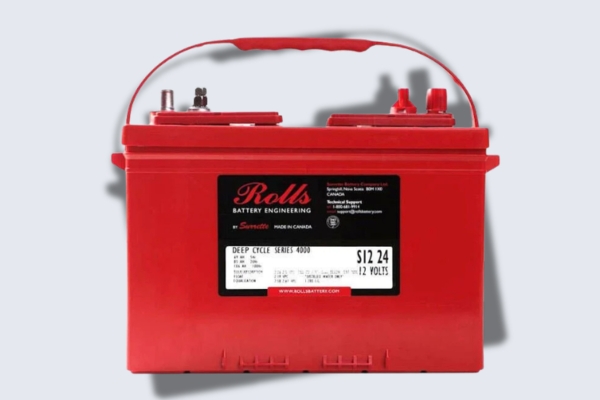
What Are Lead-Acid Batteries?
Common Formats
Lead-acid batteries cover a broad category of batteries used in transportation, backup power, facility operations, and industrial equipment. This page covers the larger lead-acid category, not just one battery format or sub-type.
Common lead-acid battery examples include:
- AGM batteries
- Gel batteries
- Car batteries
- Forklift batteries
- UPS and telecom batteries
- Flooded lead-acid batteries
- VRLA and sealed lead-acid batteries
Why Battery Type Matters
Flooded, AGM, gel, and sealed lead-acid batteries are related, but they are not identical. The battery format changes how the load should be staged, moved, and routed once it is ready for recycling.
Battery size, condition, and use case matter too. A single car battery is very different from a pallet of forklift batteries, a telecom backup bank, or a larger battery room project, and those differences affect handling, transport, staging, and the recycling route.
Where Lead-Acid Batteries Are Commonly Used
Lead-acid batteries are still widely used because they are dependable, affordable, and built for heavy-duty power needs across many industries and applications.
- Automotive and fleet vehicles
- Forklifts and industrial equipment
- UPS and backup power systems
- Telecom and emergency systems
- Marine and RV applications
- Commercial and facility operations
Where to Recycle Lead-Acid Batteries
Battery Recycling and Solutions offers lead-acid battery recycling services based on battery type, quantity, and project setup, with support for both smaller drop-offs and larger business recycling needs.
- Drop-off for smaller quantities
- Pickup for commercial and bulk loads
- Support for fleets, facilities, and battery rooms
- Service based on battery type, condition, and logistics
Drop-Off Services
Battery Recycling and Solutions offers drop-off services for smaller lead-acid battery loads that can be transported safely without more involved site coordination. This is often the best fit for simple recycling needs and manageable battery quantities.
- Best for smaller quantities
- Good for manageable battery loads
- Works when transport can be handled safely
Pickup Services
Battery Recycling and Solutions offers pickup services for lead-acid battery projects involving businesses, facilities, fleets, industrial operations, and larger backup power loads. This is usually the better option when the batteries are heavier, more numerous, or tied to a more complex site setup.
- Businesses and facilities
- Bulk quantities
- Fleet and industrial loads
- Battery rooms and backup power projects
- Better for recurring recycling needs
National Recycling Programs
Battery Recycling and Solutions also supports larger organizations that need lead-acid battery recycling across more than one location. This is a strong fit for companies managing repeat battery waste and distributed operations.
- Multi-site coordination
- Ongoing support
- Scalable recycling solutions
- Better fit for distributed operations
Why Lead-Acid Batteries Should Never Go in the Trash
Lead-acid batteries contain toxic lead and corrosive acid, which is why they do not belong in regular waste streams and should always be handled through proper recycling channels. Throwing them out creates avoidable safety, environmental, and compliance problems.
- Lead contamination risk
- Acid leakage concerns
- Facility safety hazards
- Compliance and liability exposure


