
Lithium-Ion Battery Recycling

Lithium-ion batteries are used across devices, tools, EV systems, backup power equipment, and energy storage applications because they are one of the most widely used rechargeable battery types. They can range from a small phone battery to a larger battery module from equipment or storage systems, but they all require proper recycling because of fire risk, handling requirements, and material recovery value. Battery Recycling and Solutions offers drop-off for smaller quantities and pickup for bulk battery loads, business projects, and equipment recycling.

Quick Answer: How to Recycle Lithium-Ion Batteries

Lithium-ion battery recycling usually comes down to drop-off for smaller quantities and personal battery loads or pickup for businesses, bulk quantities, equipment batteries, and larger recycling projects. These batteries should never go in the trash because damaged or improperly handled units can create real fire and safety risks. Lithium-ion batteries are common, but that does not make them safe to throw away casually.
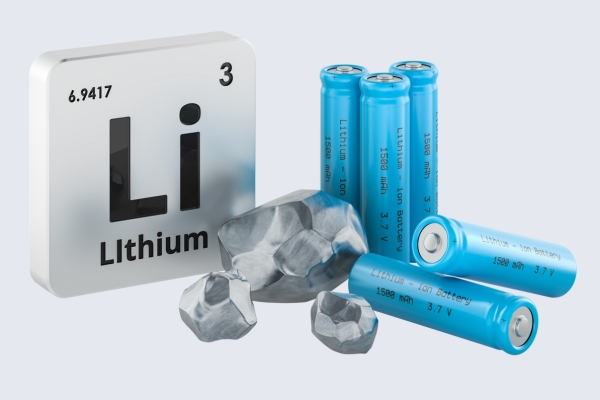
lithium-ion battery

What Are Lithium-Ion Batteries?

Common Formats

Lithium-ion is a broad battery category used across everything from small personal electronics to larger equipment and vehicle systems. The format of the battery often changes how it should be handled and recycled.

Common lithium-ion battery examples include:

Why Battery Type Matters

Lithium-ion is a category, not just one single battery style. Format, chemistry, size, and condition all affect how the batteries should be stored, transported, and routed once they are ready for recycling.


A loose phone battery is very different from a pallet of tool batteries or a larger battery module from equipment. Those differences affect handling, storage, transport, and the recycling route.

Common Lithium-Ion Battery Chemistries

Not all lithium-ion batteries are the same, which is one reason subpages and correct identification matter before recycling. Different chemistries may share the lithium-ion label while still having different use cases and handling needs.

Common lithium-ion battery chemistries include:


  • Lithium cobalt oxide
  • Lithium iron phosphate
  • Lithium manganese oxide
  • Lithium nickel manganese cobalt oxide
  • Lithium polymer
  • Lithium titanate

Lithium-Ion Battery Recycling Options

Drop-Off Services

Battery Recycling and Solutions offers drop-off services for smaller lithium-ion battery loads that can be transported safely and managed without more involved coordination. This is often the best fit for personal electronics and loose batteries.


  • Best for smaller quantities
  • Personal electronics and loose batteries
  • Simple transport
  • Straightforward recycling option

Pickup Services

Battery Recycling and Solutions offers pickup services for lithium-ion battery projects involving businesses, facilities, equipment batteries, and larger battery quantities. This is often the better fit for recurring recycling needs and larger battery projects.


  • Businesses and facilities
  • Bulk battery quantities
  • Equipment and electronics loads
  • Recurring recycling needs
  • Larger battery projects

How to Prepare Lithium-Ion Batteries for Recycling

Establish what you are dealing with before moving anything.

Identify and Separate

Start by confirming the batteries are lithium-ion when possible. Separate damaged batteries from intact ones and avoid mixing unrelated chemistries or battery types casually in the same load.

Store Safely Before Recycling

Keep lithium-ion batteries in a cool, dry place and protect them from puncture, pressure, and heat. Prevent loose terminal contact when possible and isolate any damaged or swollen batteries from the rest of the load.

Prepare for Drop-Off or Pickup

Place loose batteries in safe containers, organize larger loads by type or project, and label bulk loads when helpful. For larger or more complex battery projects, scheduled pickup is usually the better option.

What Happens After Lithium-Ion Battery Collection + During The Recycling Process

Lithium-ion battery recycling follows a controlled process designed to separate batteries by chemistry and condition, reduce safety risk, and move reusable materials through the proper downstream recovery channels.

one

Collection and Sorting

Batteries are collected through drop-off or pickup and then sorted by battery type and condition. This helps keep the recycling stream safer and more organized from the beginning.

two

Processing and Separation

Once sorted, the batteries move through controlled processing steps where materials are separated by stream and chemistry. This helps route the load into the proper downstream path.

three

Material Recovery

Lithium and other battery materials may be recovered, while metals and components move through the appropriate downstream recycling channels. Remaining materials are then handled through the proper process.

Frequently Asked Questions About
Lithium-Ion Battery Recycling

Lithium-ion batteries show up in everything from phones and laptops to tools and backup systems, which is why people often have very different recycling questions depending on the load. These are some of the most practical ones.

Can lithium-ion batteries go in the trash?

No. Lithium-ion batteries should not go in the trash because damaged or crushed batteries can create fire and safety risks.

Yes. Lithium-ion batteries are rechargeable, which is one of the main differences between them and lithium primary batteries.

They are commonly used in phones, tablets, laptops, tools, electric vehicles, backup systems, and energy storage equipment.

Yes, but they should be separated from intact batteries and handled more carefully before drop-off or pickup.

They should be kept in a cool, dry place, protected from puncture and heat, and stored so damaged or swollen batteries stay separated.

Depending on the battery type and downstream process, lithium and other battery materials, along with metals and components, may be recovered.