Quick Answer: How to Recycle Sodium Batteries
Sodium battery recycling usually comes down to specialized routing based on battery type, condition, and project size. In some limited cases, a manufacturer or specialized return path may fit. For very small and manageable quantities, drop-off may be possible when the chemistry is accepted. For most business, infrastructure, and site-based projects, pickup is usually the better operational option. These batteries should not go in the trash, and routing them correctly from the start matters more than people expect.
What Counts as a Sodium Battery?
Common Sodium Battery Types
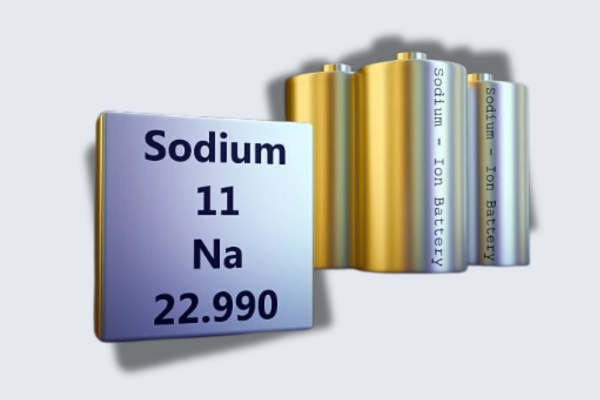
“Sodium battery” is not one single product. It can refer to several different battery chemistries and system types, which is why identification matters before anything is moved or recycled.
Common sodium battery examples include:
- Sodium-ion batteries
- Sodium-sulfur batteries
- Advanced battery modules
- Energy storage system batteries
- Sodium-nickel chloride batteries
- Sodium-based specialty storage batteries
Why Battery Type Matters
Sodium batteries are not one single battery category with one single recycling route. Different sodium-based chemistries can have different handling requirements, packaging needs, and recycling pathways. That is why battery type matters before anything is moved.
A few small sodium-based batteries are very different from a larger sodium battery module or a site-based energy storage system. That difference affects staging, packaging, transport, documentation, and the right recycling path.
Where Sodium Batteries Are Commonly Used
Renewable Energy and Grid Storage
- Grid storage systems
- Renewable backup systems
- Stationary energy storage projects
Industrial and Infrastructure Applications
- Utilities
- Infrastructure systems
- Industrial battery use
- Manufacturing and equipment setting
Transportation and Advanced Battery Projects
- Transportation applications
- Advanced battery testing
- Specialty commercial battery systems
- Data center and telecom backup environments
Sodium Battery Recycling Options
Manufacturer or Specialized Program
Some sodium battery projects may fit a manufacturer return or specialized recycling program when that route clearly applies to the battery type and condition.
- Best for program-eligible units
- Specialty return paths
- Limited project fit
- Requires battery eligibility confirmation
Drop-Off Services
Drop-off may work for very small quantities when the chemistry is accepted and the batteries can be transported safely without additional handling requirements.
- Best for very limited quantities
- Intact batteries only when appropriate
- Simple transport
- Limited-use recycling option
Pickup Services
Battery Recycling and Solutions offers pickup support for sodium battery recycling projects involving businesses, utilities, manufacturers, infrastructure, and larger site-based loads. This is usually the best fit for more complex loads and controlled handling.
- Businesses and facilities
- Bulk battery quantities
- Site-based removals
- Infrastructure and energy storage projects
- More controlled battery removal


