
Lithium Polymer Battery Recycling

Lithium polymer batteries are commonly found in phones, tablets, drones, wearables, and other portable electronics where lightweight design and flexible battery shapes are important. These batteries are a type of lithium-ion battery known for their compact construction, but they can become unstable if damaged or swollen. Battery Recycling and Solutions offers drop-off for individuals and small loads, along with pickup for bulk device recycling, IT cleanouts, and business projects.

Quick Answer: How to Recycle Lithium Polymer Batteries

Lithium polymer battery recycling typically involves drop-off for small quantities and personal devices or pickup for bulk electronics, IT equipment, and larger device recycling projects. These batteries should never go in the trash due to fire risk and the potential for swelling or rupture. Even though they are small, lithium polymer batteries require proper handling and recycling.
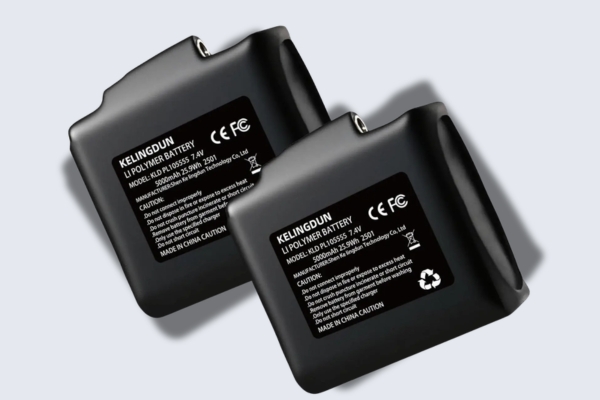
lithium polymer battery

What Are Lithium Polymer Batteries?

Common Formats

Lithium polymer batteries are a type of lithium-ion battery designed with a flexible polymer electrolyte, allowing them to fit into compact and uniquely shaped devices. They are widely used across modern electronics.

Common lithium polymer battery examples include:

Why Battery Type Matters

Lithium polymer batteries are different from standard lithium-ion battery formats. Their flexible structure makes them more sensitive to physical stress and environmental conditions.


They are especially vulnerable to swelling, puncture, and heat. These factors affect how the batteries should be stored, handled, transported, and recycled. A swollen phone battery, for example, needs to be handled very differently from an intact battery.

Signs a Lithium Polymer Battery Needs Recycling

Lithium polymer batteries often show clear signs when they reach end of life or become unsafe. Recognizing these signs early can help prevent safety issues.


  • Swelling or puffing
  • Overheating
  • Reduced performance
  • Physical damage
  • Battery expansion inside devices

Lithium Polymer Battery Recycling Options

Drop-Off Services

Battery Recycling and Solutions offers drop-off services for smaller lithium polymer battery loads that can be transported safely and handled without complex logistics. This is the most common option for individuals and small device recycling.


  • Best for individuals
  • Small battery quantities
  • Personal electronics
  • Quick and simple recycling

Pickup Services

Battery Recycling and Solutions offers pickup services for larger lithium polymer battery loads, especially those tied to business operations, IT departments, or bulk electronics recycling.


  • Businesses and IT departments
  • Schools and municipalities
  • Bulk device cleanouts
  • Repair and refurbishing operations
  • Recurring battery loads

How to Prepare Lithium Polymer Batteries for Recycling

Lock in the basics before making any movement.

Identify and Separate

Start by confirming the batteries are lithium polymer when possible. Separate swollen or damaged batteries from intact ones and avoid mixing them with other battery types.

Stage for Safe Handling

Keep batteries in a cool, dry place and avoid pressure, puncture, or bending. Do not compress or stack batteries loosely, and isolate any swollen or damaged batteries from the rest of the load.

Package and Coordinate Removal

Place batteries in non-metal containers, keep damaged units contained, and avoid transporting loose batteries. For larger loads or business projects, scheduling pickup is often the safest option.

What Happens After Lithium Polymer Battery Collection & During Recycling

Lithium polymer battery recycling follows a controlled process designed to safely handle lithium-based batteries and recover reusable materials.

one

Collection and Transport

Batteries are collected through drop-off or pickup and sorted based on type and condition to ensure safe processing.

two

Sorting and Processing

Batteries are processed through controlled systems where materials are separated safely according to chemistry and composition.

three

Material Recovery

Lithium and other metals may be recovered and reused, while remaining materials are handled through the proper recycling channels.

Frequently Asked Questions About
Lithium Polymer Battery Recycling

Lithium polymer batteries are common in everyday electronics but can become unstable if damaged or stored improperly. These questions can help you recycle them safely.

Are lithium polymer batteries dangerous?

They can be, especially if damaged, swollen, or exposed to heat or pressure.

Swelling is usually caused by internal chemical breakdown, heat, overcharging, or age.

Yes, but it should be handled carefully and kept separate from intact batteries.

In many cases, yes. Pickup is often the best option for larger device recycling projects and bulk loads.

Store them in a cool, dry place, away from pressure and heat, and isolate damaged batteries.

Lithium and other materials may be recovered depending on the recycling process.