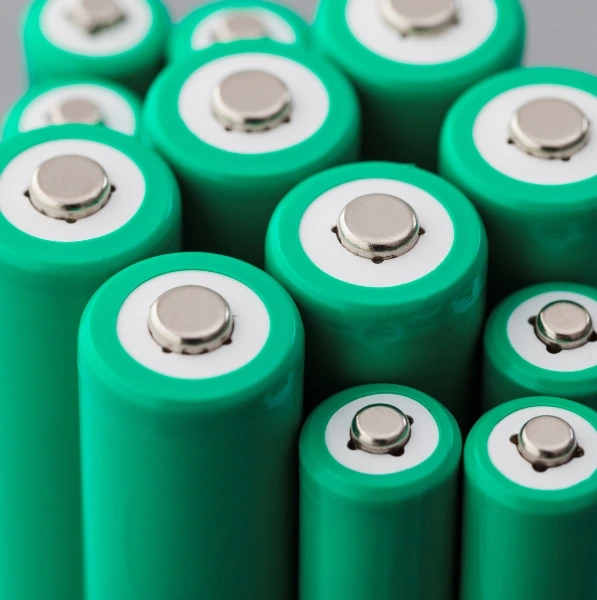
Cell Phone Battery Recycling

Old smartphones, damaged phone batteries, and bulk device cleanouts can all create a surprising amount of battery waste over time. Most cell phone batteries are small lithium-based batteries, but they still need proper recycling because of fire risk and material recovery concerns. Battery Recycling and Solutions offers drop-off for small quantities and pickup for larger business, school, or facility battery loads.

Quick Answer: How to Recycle Cell Phone Batteries

Cell phone battery recycling usually comes down to drop-off for individuals and small quantities or pickup for businesses, schools, municipalities, and larger electronics loads. Because most phone batteries are lithium-based, they should not go in the trash where they can create fire and safety risks. These batteries are small and common, but they still need proper handling from the start.
Our approach centers on safety, durability, and clear energy planning. We use trusted equipment, proper installation methods, and detailed performance checks to make sure your system runs smoothly from day one. Whether you’re looking to reduce energy bills or rely more on clean power, our process is built to give you stable, predictable results.
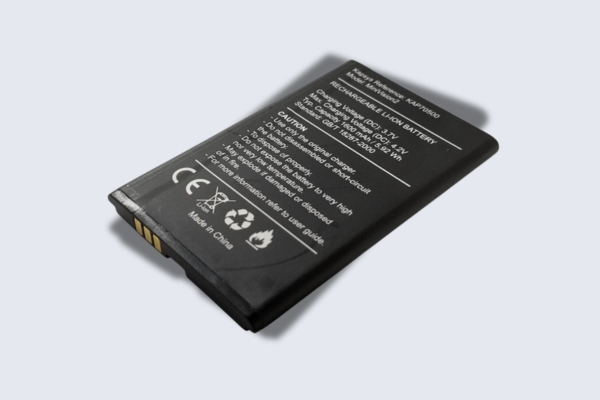
cell phone battery

What Are Cell Phone Batteries?

Cell phone batteries can vary depending on the age and design of the phone, but most modern devices use lithium-based battery chemistries. Older devices may still contain other battery types, which is one reason correct identification matters before recycling.

Common cell phone battery types include:

Most modern phone batteries are lithium-based, but older devices may contain different chemistries.

Why Battery Type Matters

Lithium-ion and lithium-polymer batteries are the most common cell phone battery types today, but older phones may still use different chemistries. That difference matters because battery type affects how the load should be staged, transported, and routed for recycling.


Battery condition matters too. A single intact phone battery is very different from a box of swollen, damaged, or mixed device batteries, and those differences affect handling, transport, staging, and the recycling route.

Why Cell Phone Battery Recycling Matters

Cell phone batteries are small, but they can still create real environmental and safety problems when they are thrown away, damaged, or stored carelessly. When they are not recycled properly, they can leak harmful materials, spark fires, and waste metals that could otherwise be recovered.


  • Reduces landfill waste
  • Helps prevent fire risk
  • Protects people handling battery waste
  • Supports recovery of reusable materials

Cell Phone Battery Recycling Options

Drop-Off Services

Battery Recycling and Solutions offers drop-off services for small quantities of cell phone batteries and simple recycling projects. This is often the best fit for individuals with loose phone batteries, a few old phones, or other straightforward device recycling needs.

  • Best for individuals
  • Works for small quantities
  • Good for old phones and loose phone batteries
  • Simple option for straightforward recycling

Pickup Services

Battery Recycling and Solutions offers pickup services for larger device recycling projects where cell phone batteries are part of a broader electronics load. This is often the better option for offices, schools, municipalities, and bigger cleanouts that need a more organized removal process.


  • Businesses and offices
  • Schools and municipalities
  • Bulk device cleanouts
  • Larger electronics recycling projects
  • Better for recurring recycling needs

How to Prepare Cell Phone Batteries for Recycling

Check the fundamentals before you move anything.

Identify and Separate

Start by confirming whether you are dealing with loose batteries, whole phones, or mixed device loads. Separate damaged batteries from intact ones and keep phone batteries apart from unrelated chemistries when possible so the load is easier to manage and safer to transport.

Store and Stage Safely

Keep phone batteries in a cool, dry place and avoid crushing, bending, or puncturing them. Damaged batteries should not be left loose in drawers or boxes, and terminals should be taped when appropriate for safer transport.

Prepare for Drop-Off or Pickup

Place loose batteries in a safe container, keep damaged units contained separately, and organize larger electronics loads before removal. If the project involves a bulk device load, scheduling pickup can make the process much easier to manage.

What Happens After Cell Phone Battery Collection & During Recycling

Cell phone battery recycling follows a controlled process designed to separate batteries by chemistry, reduce safety risk, and recover reusable materials through the proper downstream channels.

one

Collection and Transport

Cell phone batteries are collected through drop-off or pickup depending on the project size, then sorted by battery type and condition. This helps keep different chemistries separated before processing begins.

two

Sorting and Processing

Once sorted, the batteries move through controlled processing steps designed to break them down and separate the different material streams. The goal is to reduce risk while preparing the materials for recovery.

three

Material Recovery

After separation, materials such as lithium, cobalt, nickel, and copper can be recovered and routed into the appropriate downstream recycling streams. Remaining materials are then handled through the proper process.

Frequently Asked Questions About
Cell Phone Battery Recycling

Cell phone batteries are easy to forget about until they start swelling, piling up, or showing up in old drawers. These common questions can help you recycle them more safely and confidently.

Can cell phone batteries go in the trash?

No. Cell phone batteries should not go in the trash because most are lithium-based and can create fire and safety hazards if discarded improperly.

They can be. Damaged or improperly handled batteries may leak, overheat, or catch fire, which is why proper storage and recycling matter.

Yes, but it should be handled carefully. Swollen batteries should be kept separate from intact ones and routed through more controlled handling.

Yes. In many cases, whole phones can be recycled along with their batteries, especially as part of a broader electronics recycling project.

Only temporarily and only with care. Keep them in a cool, dry place away from heat, pressure, and flammable materials until you are ready to recycle them.

It depends on the project size and what else is included. For larger business, school, or electronics cleanout projects, pickup is often the better option.

Materials such as lithium, cobalt, nickel, and copper can often be recovered through the recycling process.

general battery recycling graphic

Let's build a sustainable future together.

"*" indicates required fields

Name*