
Electric Vehicle Battery Recycling

EV battery recycling involves more than normal battery disposal because these batteries are large lithium-ion systems used in electric vehicles, fleets, and other EV applications. Whether the load involves full battery packs, modules, or end-of-life vehicle batteries, condition and safety matter from the start. Battery Recycling and Solutions provides pickup for EV battery projects, support for bulk commercial and facility-based loads, and project coordination for larger battery removals.

Quick Answer: How to Recycle EV Batteries

EV battery recycling is usually handled through controlled pickup rather than simple drop-off. Because pack type, chemistry, condition, and project setup all affect the right recycling path, EV battery projects typically require safer handling and more planning than smaller battery loads. In most cases, this is a controlled pickup and routing process from start to finish.
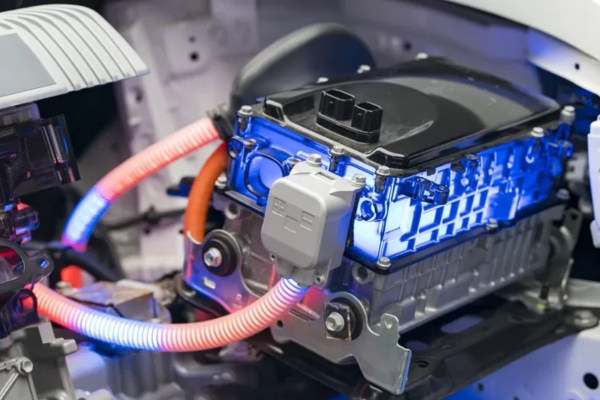
electrical vehicle batteries

What is an EV Battery?

Pack vs Module vs Cell

An EV battery is not just one large block of material. It is a layered system made up of multiple components that affect how it is handled, moved, and processed. The pack refers to the full battery assembly removed from the vehicle, modules are the grouped units inside that pack, and cells are the individual electrochemical units within those modules. Most of the complexity in EV battery recycling and handling happens at the pack and module level, not just at the cell level.

Common EV Battery Chemistries

EV batteries use different lithium-ion chemistries depending on the make, model, and battery design. Chemistry matters because it affects handling, fire risk, and the downstream recovery path.

Not all EV batteries are the same, and chemistry affects how they should be staged, transported, and recycled.

Why EV Battery Type Matters

EV battery type matters because chemistry affects handling, staging, fire risk, and the recovery path after collection. The right plan for one battery may not be the right plan for another.


Pack design, model year, and condition matter too. A healthy EV pack from one fleet vehicle is very different from a damaged pack with unknown history, and those differences affect transport, packaging, dismantling, and the recycling route.

When EV Batteries Get Reused vs Recycled

Not every EV battery goes straight to recycling. Some batteries may be evaluated for second-life use, while others are better routed directly into recycling based on condition, history, and project economics.


  • Second life may work for stable packs with known health
  • Recycling is often better for damaged or inconsistent packs
  • Unknown history increases risk
  • Battery testing and condition matter

EV Battery Recycling Options

Pickup Services

Battery Recycling and Solutions offers pickup services for EV battery recycling projects involving larger packs, modules, fleet batteries, and end-of-life EV battery loads. This is usually the best fit because these batteries need more controlled handling than smaller battery types.


  • Fleet battery replacements
  • End-of-life EV battery projects
  • Facility and commercial battery loads
  • Better for larger battery packs and modules
  • Best fit for controlled handling

Drop-Off Services

Battery Recycling and Solutions offers drop-off services for smaller EV battery components that can be safely transported without complex handling requirements. While full EV battery packs are typically not suited for drop-off, certain modules or smaller battery units may be eligible depending on their condition and setup.


  • Best for smaller battery components or modules
  • Works when transport can be handled safely
  • Limited use case compared to pickup
  • Requires proper packaging and handling before arrival

Ongoing Recycling Programs

For organizations that generate recurring EV battery loads, Battery Recycling and Solutions can support more structured recycling programs that improve consistency and reporting across projects or locations.


  • Recurring EV battery generation
  • Fleet and facility support
  • Multi-location coordination
  • Standardized reporting

How to Prepare EV Batteries for Recycling

Start by getting clear on the basics before moving anything.

Identify Battery Type

Start by confirming the battery chemistry if it is known and identifying whether the load is a full pack, a module, or a group of cells. You should also note whether the battery is intact, damaged, swollen, or has an unknown history so the project can be routed more safely.

Stage for Controlled Handling

EV batteries should be staged to prevent movement and impact and kept away from traffic, forklifts, and clutter. Label the site, battery condition, and any known issues clearly, and do not treat these loads like normal scrap material.

Coordinate Pickup

Plan battery removal early and align pickup with decommission or replacement work so the project stays on track. Waiting until the end of a project to solve battery logistics is one of the easiest ways for an EV battery job to become harder than it needs to be.

What Happens After EV Battery Collection + During Recycling

EV battery recycling follows a controlled process designed to move packs, modules, and cells through the proper handling and recovery path based on chemistry, condition, and project type.

one

Collection and Transport

EV batteries move through controlled pickup and routing that protects the load during transport. Damaged batteries are usually handled separately so they do not create additional safety risk during movement.

two

Sorting and Processing

Once collected, EV battery packs may be broken down into major components. Modules, wiring, housings, and electronics can all be separated, and chemistry and pack design affect how that process is handled.

three

Material Recovery

After separation, metals and battery-active materials move into downstream recovery pathways. Plastics, wiring, and structural materials may also be recovered, while remaining materials are handled through the appropriate processing route.

Frequently Asked Questions About
EV Battery Recycling

EV battery recycling involves larger lithium systems, more safety planning, and more project coordination than most people expect. These common questions can help you understand the next step more clearly.

Can EV batteries be recycled?

Yes. EV batteries can be recycled through the proper battery recycling process based on chemistry, condition, and project setup.

No. Some may be evaluated for second-life use, but damaged, inconsistent, or unknown-history batteries are often better routed directly into recycling.

The pack is the full battery assembly removed from the vehicle, while modules are grouped units inside the pack. That distinction matters because most of the handling and disassembly complexity happens at the pack and module level.

They can be. Residual charge, fire risk, and damage sensitivity make safe staging and controlled storage very important.

Keep it separate from intact batteries, label the condition clearly, and do not treat it like a standard battery load. Damaged EV batteries usually need more controlled handling.

In most cases, yes. EV battery recycling is usually handled through pickup because the loads are larger, higher risk, and more logistics-heavy than simple drop-off projects.

Depending on the chemistry and downstream process, materials such as lithium, nickel, cobalt, manganese, copper, and aluminum may be recovered.

At minimum, businesses should keep site or asset location, quantity or weight, condition notes, pickup or service records, and certificates of recycling.