
AGM Battery Recycling

Whether you’re clearing out a telecom site, swapping a UPS bank, or decommissioning a solar storage system, Battery Recycling & Solutions makes AGM battery recycling straightforward: drop-off for small loads, scheduled pickup for business volume, and multi-site coordination when you need it.

Quick Answer: How to Recycle AGM Batteries

AGM battery recycling usually comes down to two main options: drop-off for small quantities or scheduled pickup for larger business loads. If the batteries are damaged, leaking, swollen, or part of a bigger backup power project, they typically need more controlled handling instead of casual transport. Most businesses dealing with multiple AGM batteries use pickup because it is safer, easier, and more practical.
Our approach centers on safety, durability, and clear energy planning. We use trusted equipment, proper installation methods, and detailed performance checks to make sure your system runs smoothly from day one. Whether you’re looking to reduce energy bills or rely more on clean power, our process is built to give you stable, predictable results.

What Counts as an “AGM Battery”?

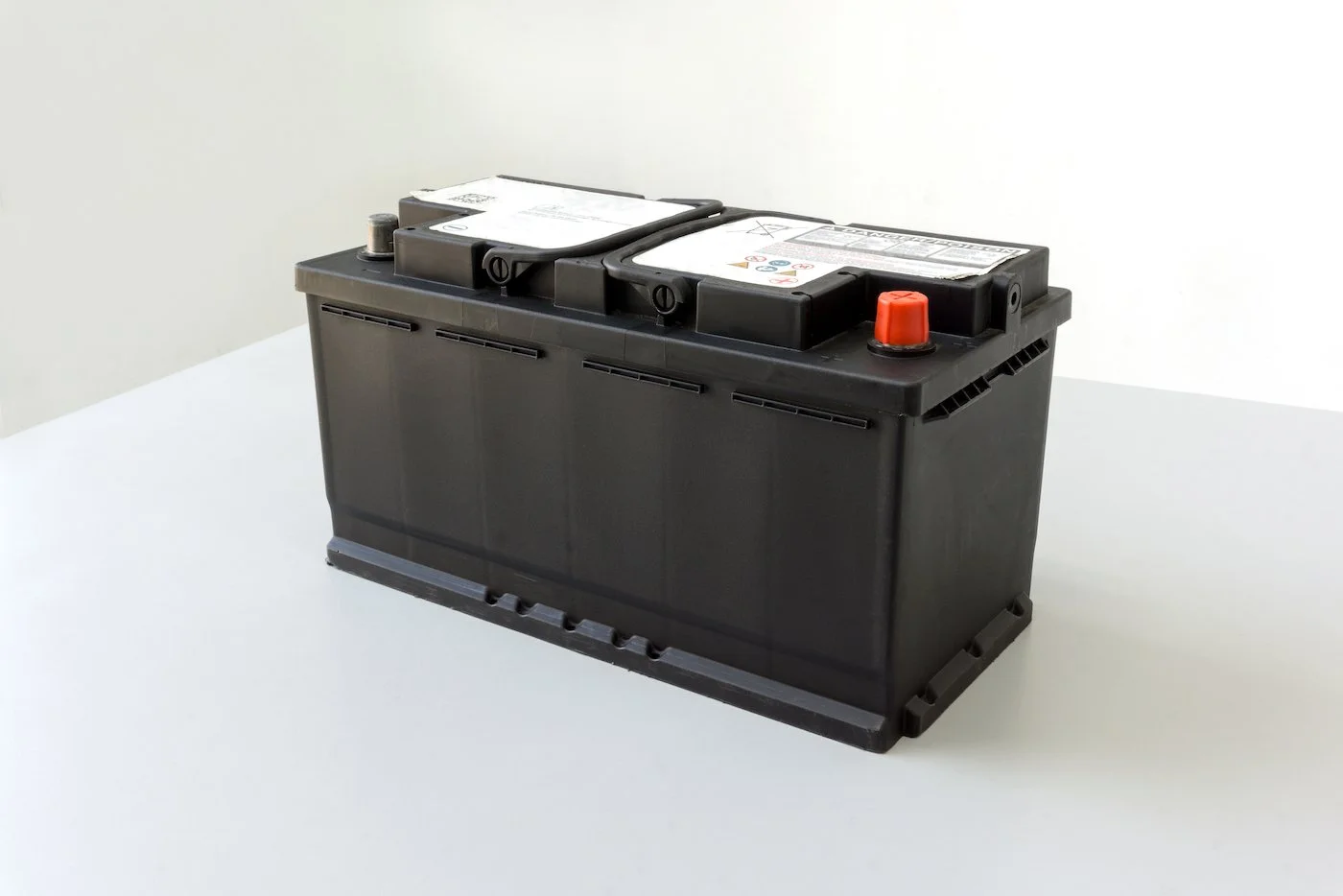
AGM stands for absorbed glass mat. It’s a type of sealed lead-acid battery designed to be more stable, low-maintenance, and resistant to leaks compared to traditional flooded batteries. AGM batteries are widely used across backup power, mobility, and energy storage systems because they can handle consistent demand and perform reliably in both small devices and larger setups.

Common AGM battery examples include:

Why Classification Matters

Not every AGM battery should be handled the same way. Size, format, condition, and application all affect how the load should be prepared and moved. A small sealed AGM battery from an alarm system is very different from multiple AGM units pulled from a UPS room or telecom site.

Your Recycling Options

Drop-Off Services

Drop-off is a simple option when you have a small number of AGM batteries and can transport them safely. This works best for straightforward situations where handling is manageable without additional logistics:


  • Best for small quantities
  • Works for 1 to 5 units
  • Quick and convenient for individuals or light commercial use
  • Requires safe transport and basic staging beforehand

Pickup Services

Pickup is the most common option for businesses and larger battery projects. It removes the burden of handling heavy units internally and keeps the process more controlled from start to finish:


  • Ideal for bulk loads and business quantities
  • Strong fit for UPS rooms, telecom sites, and battery backups
  • Reduces internal labor and handling risks
  • Supports multi-site and scheduled project coordination
  • Better option for damaged or mixed-condition batteries

How to Prepare AGM Batteries for Recycling

Start with clarity on the basics before moving anything.


Identify and Separate

Start by getting clear on what you have before moving anything. Note the battery type, quantity, site location, and condition (intact, worn, damaged, or leaking). From there, separate AGM batteries from other chemistries and isolate any damaged units right away. This step sets the direction for the entire project and helps determine whether the load is suitable for drop-off, standard pickup, or more controlled handling.

Stage Safely

Once identified and separated, stage the batteries in a way that reduces movement and risk. Keep them stable, upright, and protected from tipping or shifting. Avoid placing them near traffic or loose metal, and prevent terminal contact wherever possible. Even though AGM batteries are sealed, they are still heavy lead-based units and should be handled with care during staging.

Package & Prepare for Removal

Package the batteries based on their size, weight, and condition. Use appropriate containers, prevent shifting during transport, and keep units secure. Clearly label loads with key details like site, quantity, and condition if needed. Proper packaging makes pickup or drop-off smoother and keeps the process organized, especially for larger or multi-site projects.

What Happens During and After Recycling

AGM battery recycling follows a controlled process designed to keep handling safe and materials properly routed. From initial collection to final processing, the focus is on managing weight, condition, and chemistry so each load moves through the right channels without unnecessary risk or confusion.

one

Collection and Transport

AGM batteries are collected through controlled drop-off or pickup routing, depending on the project size and condition of the load. Larger business quantities usually move through scheduled pickup so the handling process stays more controlled.

two

Sorting and Processing

Once collected, AGM batteries are sorted and routed based on chemistry and condition. This is not a one-size-fits-all process. Intact AGM batteries and damaged AGM batteries may move through different handling steps before full processing.

three

Material Recovery

After sorting, battery materials move into proper downstream recycling channels. Lead, plastic, and other recoverable components are separated and processed through the appropriate pathways, while remaining materials are handled through approved downstream methods.

Frequently Asked Questions About
AGM Battery Recycling

We understand that battery recycling can feel unclear at first. Here are some of the most common questions to help you handle AGM batteries the right way.

Can AGM batteries go in the trash or a dumpster?

No. Most states prohibit lead-acid battery disposal in municipal solid waste, and AGM batteries are classified as lead-acid batteries. Disposal in a dumpster or landfill is illegal in most jurisdictions and carries real liability.

It depends on the quantity and project type. Small quantities may be fine for drop-off, while business loads, site removals, and multi-unit projects are usually better suited for pickup.

Yes, but damaged AGM batteries usually need more controlled handling. They should be separated early and flagged before transport.

They should be kept upright, stable, protected from terminal contact, and away from traffic or loose metal until removal is scheduled.

Yes, business battery recycling projects often include service records and recycling documentation, depending on the scope of the work.

The safest approach is to identify the battery type, separate damaged units, keep the load stable, and use the right removal option instead of moving batteries casually.

Yes. AGM batteries from UPS systems, telecom systems, emergency backup systems, and similar setups can all be recycled through the right battery recycling process.