
Quick Answer: How to Recycle Zinc Batteries
Zinc battery recycling usually comes down to drop-off for smaller household or office battery quantities and pickup for businesses, facilities, bulk loads, and larger battery collection projects. These batteries are common, but that does not mean they should be mixed casually with other battery types or ignored once they stop working. The right option depends on quantity, battery type, and whether the project is a simple cleanup or a larger operational load.
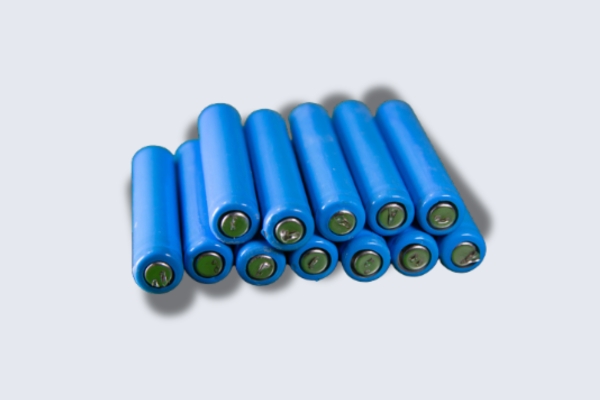
What Are Zinc Batteries?
Common Formats
Zinc batteries are typically found in common consumer battery formats and are often used in lower-drain devices that do not need the output of more advanced battery chemistries. Most people know them through standard household battery sizes, and they are commonly associated with zinc-carbon batteries as well as some zinc chloride “heavy-duty” versions. Even though they are familiar, they still need to be identified correctly before recycling.
Common zinc battery examples include:
- C zinc batteries
- D zinc batteries
- AA zinc batteries
- AAA zinc batteries
- Zinc-carbon batteries
- Heavy-duty zinc chloride batteries
Why Battery Type Matters
Zinc batteries are different from lithium-ion, alkaline, Nicad, lead-acid, and other battery chemistries, which is why they should still be identified correctly before recycling. Some zinc batteries look similar to other common household batteries, but the chemistry and routing still matter.
A few loose AA zinc batteries are very different from boxes of mixed zinc batteries collected from offices, facilities, schools, or organized battery programs. That difference affects sorting, storage, and the recycling path.
Where Zinc Batteries Are Commonly Used
Household Devices
Zinc batteries are commonly used in basic household devices such as:
- Remote controls
- Flashlights
- Toys
- Wall clocks
Office and Light Commercial Use
They also show up in smaller office and light commercial settings, including:
- Small office electronics
- Handheld accessories
- Backup batteries for simple devices
General Low-Drain Applications
In general, zinc batteries are most often used in:
- Everyday battery-powered devices
- Basic electronics
- Light-duty battery use
How Long Zinc Batteries Last?
Typical Lifespan
Zinc batteries typically last around one to three years, depending on the device, storage conditions, and how heavily they are used. In many cases, they are chosen for lower-drain devices where long-term heavy output is not the main priority.
Once zinc batteries stop performing reliably, they often get left in drawers, storage bins, or mixed battery containers. That is exactly when recycling becomes more important, especially if the batteries start piling up across homes, offices, or facilities.
Zinc Battery Recycling Options
Drop-Off Services
Battery Recycling and Solutions offers drop-off services for smaller zinc battery loads that can be transported safely and handled without more involved coordination. This is often the best fit for household batteries, office batteries, and straightforward recycling needs.
- Best for smaller quantities
- Household and office batteries
- Simple transport
- Straightforward recycling option
Pickup Services
Battery Recycling and Solutions offers pickup services for zinc battery recycling projects involving facilities, businesses, schools, and larger battery quantities. This is often the better fit for organized collection loads and more structured recycling projects.
- Businesses and facilities
- Bulk battery quantities
- Organized battery loads
- Larger recycling projects
- More controlled battery removal


