
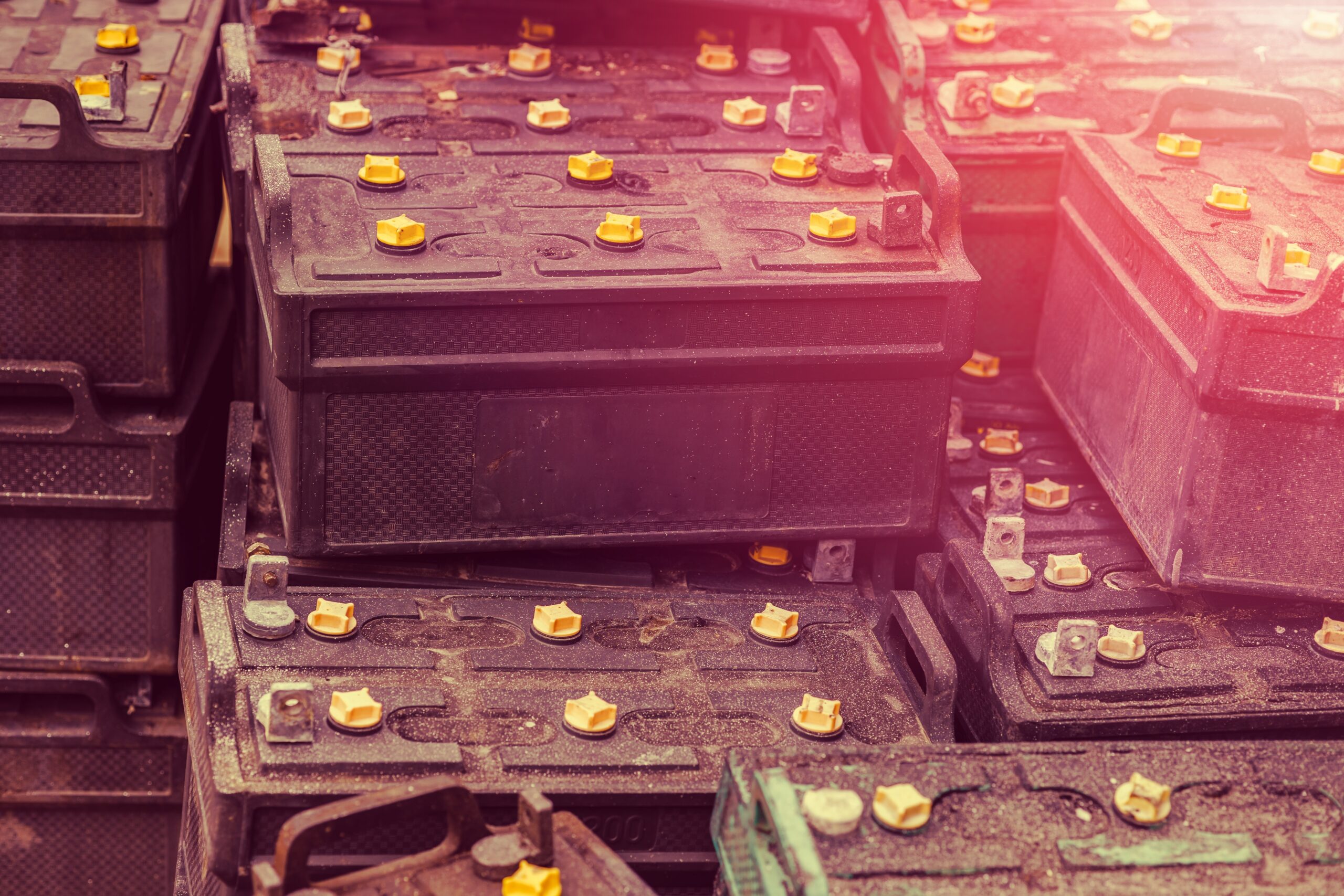
Auto batteries are one of the most common battery types businesses and drivers deal with. They are used in cars, trucks, vans, fleet vehicles, equipment, motorcycles, and other vehicles that need dependable starting power.
When an auto battery dies, it should not be tossed in the trash, left outside, or mixed into a general scrap pile. Most auto batteries are lead acid batteries, which means they contain lead, acid, plastic casing, terminals, and internal plates that need to be handled through the proper recycling process.
Battery Recycling & Solutions helps businesses, fleets, repair shops, dealerships, municipalities, and commercial facilities manage used auto battery recycling, pickup, sorting, and proper disposal.
What Is an Auto Battery?
An auto battery is a rechargeable battery used to start a vehicle and support its electrical systems. In most traditional vehicles, the battery provides the power needed to start the engine. It also helps operate lights, electronics, sensors, and other vehicle systems when needed.
Most standard auto batteries are lead acid batteries. Some may be flooded lead acid batteries, while others may be AGM or sealed lead acid batteries. Newer vehicles and specialty applications may also use lithium-based batteries, especially in hybrid and electric vehicle systems.
Because battery types can vary, identifying the battery before recycling is always a smart first step.
Why Auto Batteries Should Be Recycled
Auto batteries contain materials that can be recovered and reused through the right recycling process. Lead, plastic, and other components can often be separated instead of being wasted.
Proper auto battery recycling helps:
- Keep batteries out of regular trash
- Recover useful materials
- Reduce improper disposal
- Clear out garages, shops, and storage areas
- Separate damaged batteries from intact units
- Support better material handling for businesses and fleets
For businesses that manage vehicles, auto batteries can build up quickly. Repair shops, towing companies, municipalities, warehouses, dealerships, farms, and fleet operators may all generate used batteries on a regular basis.
How to Handle Used Auto Batteries
Before recycling an auto battery, check its condition. Look for cracks, leaking fluid, corrosion, swollen casing, damaged terminals, or signs that the battery has been dropped or crushed.
If the battery is leaking or damaged, keep it separate and avoid direct contact with any residue. Auto batteries should usually be stored upright in a dry, controlled area where they will not be knocked over, punctured, or exposed to heat.
Do not place auto batteries in regular dumpsters. Do not stack them carelessly. Do not mix leaking batteries with clean batteries without separating them first.
How Auto Battery Recycling Works
Auto battery recycling usually begins with collection and sorting. Batteries are reviewed by type, condition, and chemistry before moving into the proper recycling stream.
Lead acid auto batteries are commonly processed so the lead, plastic casing, and acid can be separated and managed properly. Other battery types, such as lithium automotive batteries, may require a different recycling route.
The goal is simple: keep batteries out of the wrong waste stream and recover materials that can be used again.
How Battery Recycling & Solutions Helps
Battery Recycling & Solutions helps businesses manage auto battery recycling for commercial quantities and bulk battery loads. This can include car batteries, truck batteries, fleet batteries, AGM batteries, sealed lead acid batteries, damaged auto batteries, and mixed battery loads from commercial locations.
For businesses with old auto batteries sitting in shops, yards, warehouses, maintenance areas, or storage rooms, Battery Recycling & Solutions provides a practical path for pickup, sorting, and proper recycling.
Frequently Asked Questions About Auto Battery Recycling
Can auto batteries be recycled?
Yes. Auto batteries can be recycled through the proper battery recycling process.
What type of battery is used in most cars?
Most traditional cars use lead acid batteries, though some newer vehicles may use AGM, sealed lead acid, or lithium-based batteries.
Can auto batteries go in the trash?
No. Auto batteries should not be thrown into regular trash or placed in general waste containers.
What should I do with a leaking auto battery?
Keep it separate, store it upright if possible, avoid direct contact, and arrange proper handling before recycling.
Final Thoughts
Auto battery recycling is an important part of responsible vehicle maintenance. These batteries are heavy, useful, and made from materials that should not be wasted or handled casually.
The best approach is simple: identify the battery type, check for damage, store it safely, and recycle it through the proper process. Battery Recycling & Solutions helps businesses create a cleaner and more organized way to manage used auto batteries at end of life.