
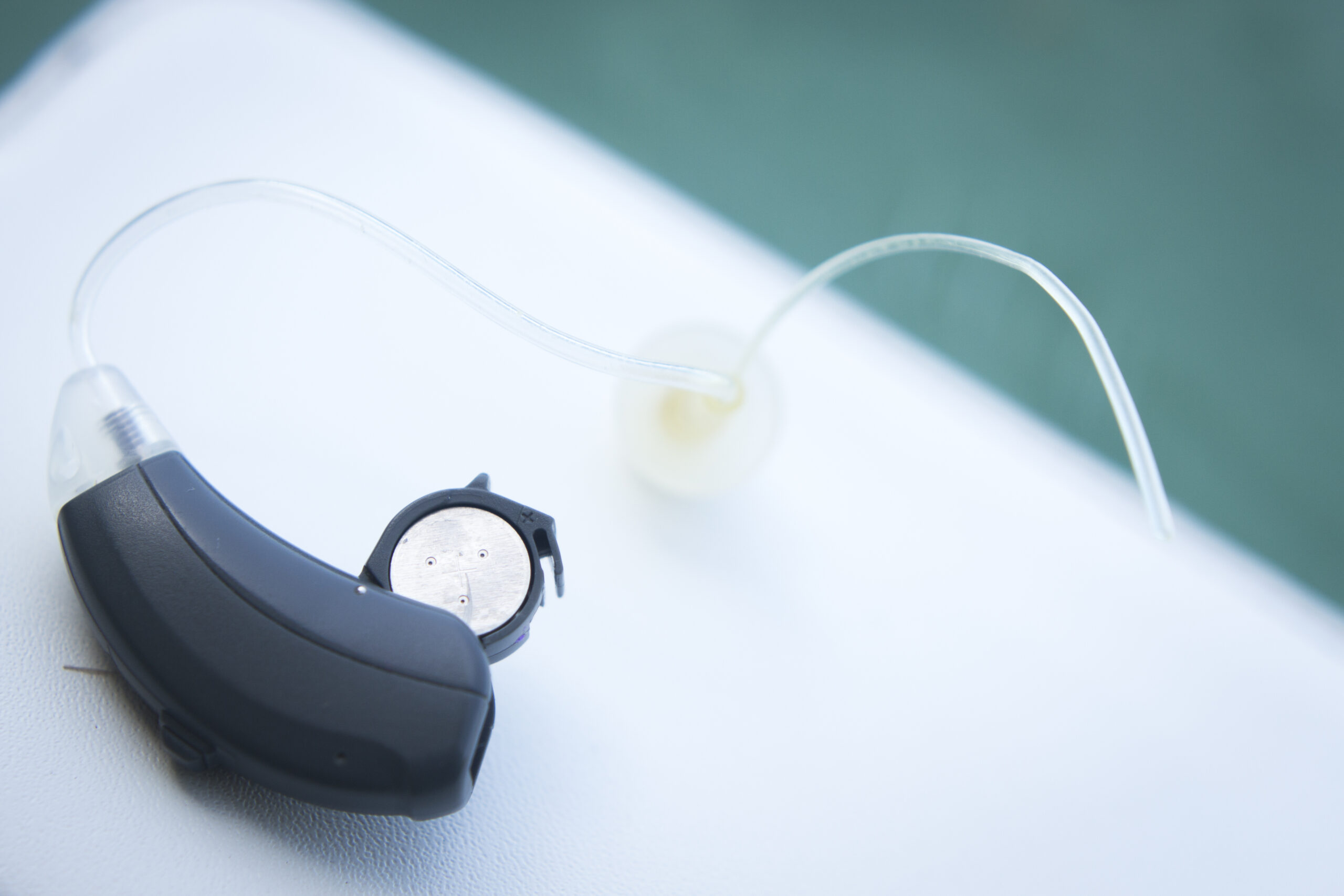
Hearing aid batteries are small, but they still need proper handling when they reach the end of their life. Because they are used in medical and personal assistive devices, they are often replaced regularly and can build up over time in homes, clinics, senior care facilities, audiology offices, healthcare settings, and maintenance areas.
Even though hearing aid batteries may look simple, they should not be ignored or treated like ordinary trash. They can contain metals, chemicals, and battery materials that should be managed through the proper recycling process.
Battery Recycling & Solutions helps businesses, clinics, healthcare facilities, and organizations manage hearing aid battery recycling, small battery collection, sorting, pickup, and proper disposal for commercial quantities.
What Are Hearing Aid Batteries?
Hearing aid batteries are small batteries designed to power hearing assistance devices. Many traditional hearing aids use button-style zinc air batteries. These batteries are activated when air enters the battery after the protective tab is removed.
Some newer rechargeable hearing aids may use lithium-ion batteries or other rechargeable battery chemistries built into the device. This means not every hearing aid battery is the same. A small loose button cell and a built-in rechargeable hearing aid battery may need different handling before recycling.
That is why identification is the first step.
Common Types of Hearing Aid Batteries
Zinc air batteries are one of the most common disposable hearing aid battery types. They are small, round, and often color-coded by size. These batteries are usually replaced once they run out of power.
Rechargeable hearing aids may contain lithium-ion or other rechargeable batteries. In many cases, these batteries are built into the device and may not be designed for easy removal by the user.
Some specialty hearing devices may use other small battery types, depending on the manufacturer, device age, and design.
Why Hearing Aid Batteries Should Be Recycled
Hearing aid batteries may be small, but large quantities can add up quickly. Audiology offices, healthcare facilities, schools, senior living centers, and medical programs may collect many used batteries over time.
Recycling helps keep these batteries out of regular trash and gives the materials inside a better end-of-life path. It also helps prevent used batteries from sitting loose in drawers, containers, desks, medical carts, or supply rooms.
Proper recycling supports cleaner storage, better organization, and more responsible battery disposal.
How to Store Hearing Aid Batteries Before Recycling
Used hearing aid batteries should be collected in a dry, labeled container. They should not be mixed with loose metal objects, tools, wires, or general waste.
If batteries are leaking, corroded, crushed, swollen, or damaged, they should be separated from normal used batteries. Small batteries should also be stored carefully so they are not accessible to children or pets.
For clinics and healthcare facilities, it helps to create one clear collection point so staff know where used hearing aid batteries belong.
Can Rechargeable Hearing Aids Be Recycled?
Yes, rechargeable hearing aids and their batteries can often be recycled, but they may need to be handled differently than loose disposable batteries. If the battery is built into the device, the full hearing aid may need to be recycled as electronic waste instead of separating the battery by hand.
Do not attempt to force open or damage a rechargeable device just to remove the battery. If the battery cannot be safely removed, the device should be handled as a battery-containing electronic item.
How Battery Recycling & Solutions Helps
Battery Recycling & Solutions helps businesses and organizations manage hearing aid battery recycling and small battery disposal. This can include zinc air batteries, button cells, lithium-ion hearing aid batteries, rechargeable devices, and mixed small battery loads.
For healthcare facilities, audiology offices, municipalities, schools, and commercial locations, Battery Recycling & Solutions provides a practical path for collection, sorting, pickup, and responsible battery recycling.
Frequently Asked Questions About Hearing Aid Battery Recycling
Can hearing aid batteries be recycled?
Yes. Hearing aid batteries can be recycled through the proper battery recycling process.
What type of battery is used in hearing aids?
Many hearing aids use zinc air button batteries. Rechargeable hearing aids may use lithium-ion or other rechargeable battery types.
Can hearing aid batteries go in the trash?
Hearing aid batteries should not be treated like ordinary trash. They should be collected and recycled through an appropriate battery recycling process.
Should rechargeable hearing aids be opened before recycling?
No. If the battery is built into the device and cannot be safely removed, the full device should be recycled without forcing it open.
Final Thoughts
Hearing aid batteries are small, but they still need the right end-of-life plan. Whether they are zinc air button cells or rechargeable batteries built into modern devices, they should be collected, stored safely, and recycled properly.
Battery Recycling & Solutions helps businesses, healthcare facilities, clinics, schools, municipalities, and organizations manage hearing aid battery recycling in a cleaner and more organized way.