
Batteries are part of everyday life, even when we do not think about them. They power phones, laptops, vehicles, watches, tools, backup systems, medical devices, meters, scooters, forklifts, and countless pieces of equipment used by businesses and households.
But how does a battery actually work?
In simple terms, a battery stores chemical energy and turns it into electrical energy. When a battery is connected to a device, a chemical reaction begins inside the battery. That reaction creates the flow of electricity that powers the device.
What Is Inside a Battery?
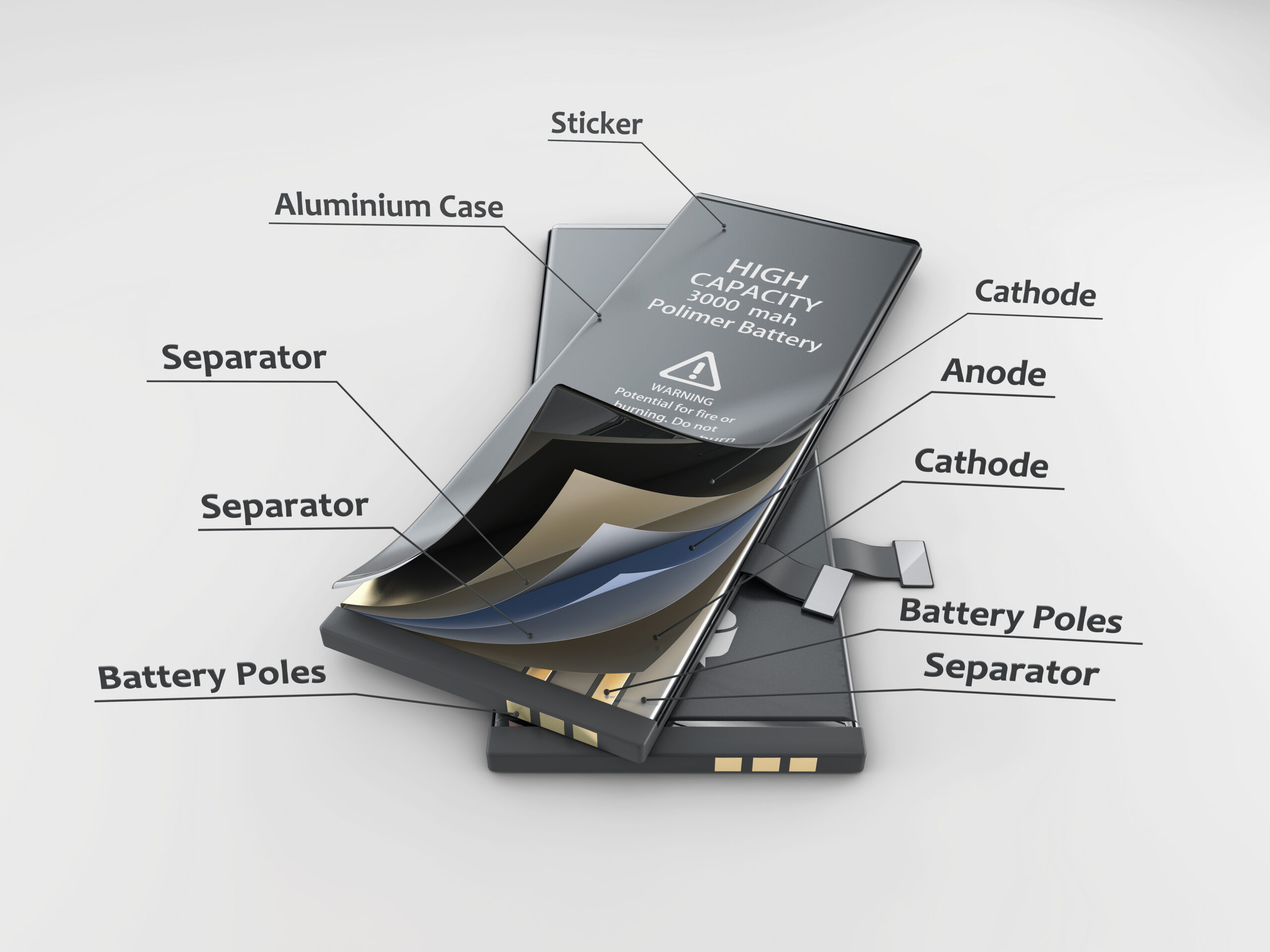
Most batteries have a few basic parts. They include a positive side, a negative side, an electrolyte, and an outer casing. The positive side is called the cathode, while the negative side is called the anode.
The electrolyte is the material that helps charged particles move inside the battery. The casing holds everything together and protects the internal materials.
Different batteries use different materials. A lead acid battery uses lead plates and sulfuric acid. A lithium-ion battery uses lithium-based materials, graphite, electrolyte, copper, aluminum, and separators. An alkaline battery uses different materials again. The chemistry may change, but the basic idea is similar: the battery creates electricity through a controlled chemical reaction.
How Does a Battery Create Power?
When a battery is connected to a device, electrons begin moving from the negative side of the battery through the device and toward the positive side. That movement of electrons is what creates electrical current.
At the same time, charged particles move inside the battery through the electrolyte. The outside movement powers the device, while the inside movement helps keep the chemical reaction going.
That is why a battery needs both internal chemistry and an external connection. If the battery is not connected to anything, the reaction is limited. Once it is connected to a device, the battery begins releasing stored energy.
What Is the Difference Between Rechargeable and Single-Use Batteries?
Single-use batteries are designed to be used until their chemical reaction is mostly spent. Once they are drained, they are not meant to be recharged.
Rechargeable batteries are designed so the chemical process can be reversed. When you plug in a phone, laptop, power tool, or electric vehicle, electricity flows back into the battery and restores stored energy. Over time, though, rechargeable batteries still wear down. They may hold less charge, take longer to charge, or stop working altogether.
Why Do Batteries Eventually Stop Working?
Batteries age because their internal materials change over time. Repeated charging, discharging, heat, poor storage, heavy use, corrosion, and physical damage can all affect performance.
A battery may stop working because the chemicals inside are depleted, the internal structure breaks down, the terminals corrode, or the battery can no longer move energy efficiently. In lithium-ion batteries, swelling or heat can also be a warning sign that the battery should no longer be used.
Why Battery Recycling Matters
When batteries stop working, they should not be treated like regular trash. Batteries can contain metals, chemicals, stored energy, plastics, and other materials that need proper handling.
Battery Recycling & Solutions helps businesses manage used batteries through proper recycling channels. This can include lithium-ion batteries, lead acid batteries, alkaline batteries, NiCad batteries, NiMH batteries, UPS batteries, laptop batteries, power tool batteries, and mixed battery loads.
Recycling helps recover useful materials, reduce improper disposal, and keep old batteries from sitting in storage rooms, warehouses, IT closets, maintenance areas, or equipment yards for years.
Frequently Asked Questions About Batteries
Do all batteries work the same way?
Most batteries work by converting chemical energy into electrical energy, but the materials and chemistry can be very different depending on the battery type.
Why do batteries lose charge over time?
Batteries lose charge because chemical reactions slowly change the internal materials. Heat, age, and use can speed up that process.
Can dead batteries still be dangerous?
Yes. A dead battery may still contain stored energy or materials that require careful handling, especially if it is swollen, leaking, corroded, or damaged.
Final Thoughts
A battery works by using chemistry to create electricity. Inside the battery, materials react in a controlled way, allowing electrons to flow through a device and provide power.
That simple idea powers much of modern life. But once batteries stop working, they still need the right end-of-life plan. Battery Recycling & Solutions helps businesses recycle used batteries safely, responsibly, and efficiently so valuable materials can be managed the right way.