
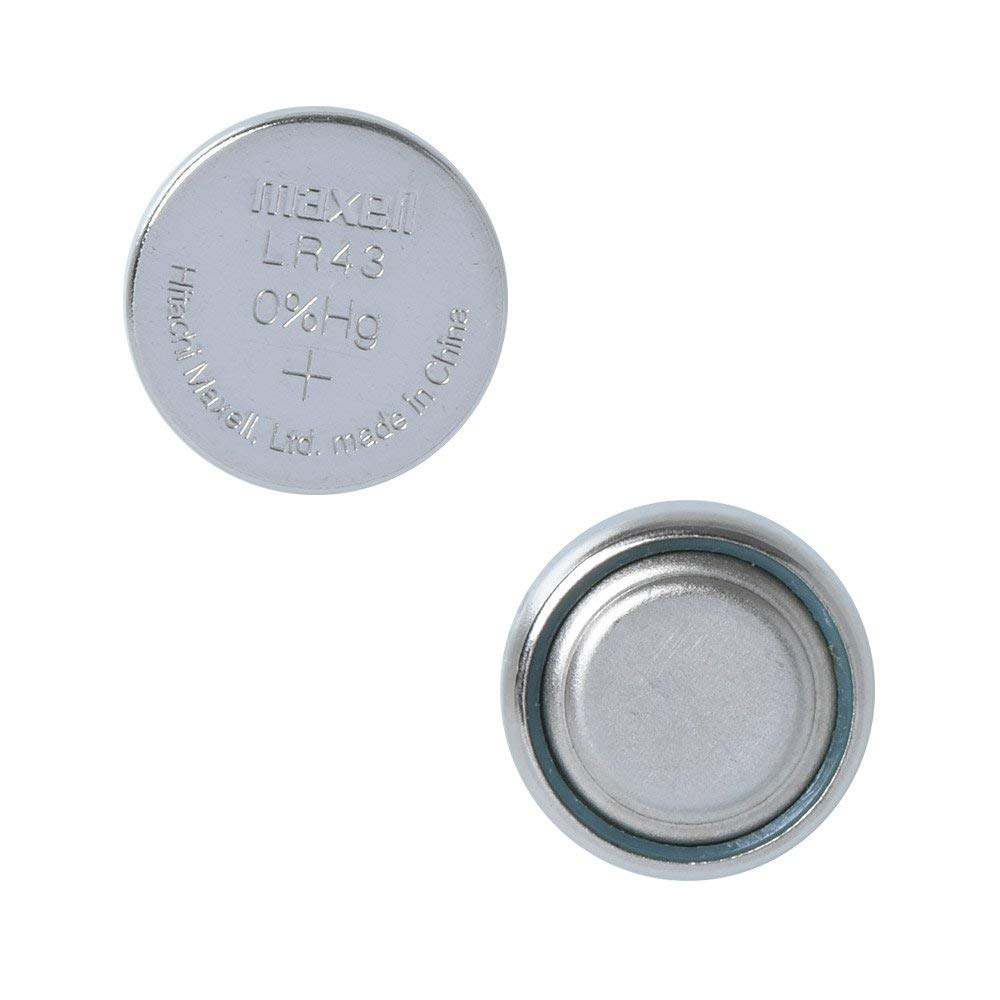
Watch batteries are small, but they should not be ignored when they reach the end of their life. They power wristwatches, key fobs, calculators, medical devices, small electronics, sensors, and other compact devices that need steady, low-level power.
Because watch batteries are so small, many people assume they can be thrown away without much thought. The problem is that these batteries still contain metals, chemicals, and stored energy that should be handled through proper battery recycling instead of regular trash.
For businesses, jewelers, repair shops, schools, municipalities, and facilities, used watch batteries can add up quickly. Battery Recycling & Solutions helps organizations manage watch battery recycling, sorting, pickup, and proper disposal for commercial quantities.
What Is a Watch Battery?
A watch battery is a small button or coin-style battery used to power compact electronic devices. These batteries are designed to fit into tight spaces while delivering steady power over time.
Common watch battery types include:
- Silver oxide batteries
- Alkaline button cell batteries
- Lithium coin cell batteries
- Zinc air batteries in certain specialty devices
Not every small round battery is the same. Some are designed for watches, while others are used in hearing aids, remotes, sensors, medical devices, calculators, or small electronics. That is why sorting matters during recycling.
Why Watch Batteries Should Be Recycled
Watch batteries may be tiny, but they are still batteries. They contain materials that should be managed responsibly when they are no longer useful.
Proper watch battery recycling helps keep batteries out of regular trash, reduce improper disposal, recover useful materials where possible, keep small batteries from getting lost in general waste, and helps businesses manage bulk battery loads more responsibly.
A single dead watch battery may not seem like much. But a jewelry store, repair shop, municipal collection program, school, or electronics repair business can collect hundreds or thousands over time.
Common Types of Watch Batteries
Silver Oxide Watch Batteries
Silver oxide batteries are commonly used in watches because they provide steady voltage and reliable performance in small devices.
These batteries may contain silver and other materials that should be routed through proper recycling channels. They are small, but they can still be valuable from a material recovery standpoint.
Alkaline Button Cell Batteries
Alkaline button cell batteries are often used in lower-cost watches and small electronics. They may look similar to silver oxide batteries, but the chemistry is different.
Because they can be easily mixed with other button cells, they should be collected and sorted properly before recycling.
Lithium Coin Cell Batteries
Lithium coin cells are used in watches, key fobs, medical devices, sensors, memory backup systems, and small electronics. These batteries can store energy for long periods and should be handled carefully, especially if damaged or mixed in bulk.
Lithium coin cells should not be loose in trash bins or mixed with scrap metal.
How to Store Used Watch Batteries
Used watch batteries should be collected in a dry, controlled area. They should not be scattered in drawers, tossed into toolboxes, or mixed with unrelated scrap.
For larger quantities, it helps to use a clearly labeled container. Keep different battery types separated when possible, especially lithium coin cells and damaged batteries.
If a battery is leaking, corroded, swollen, crushed, or unusually hot, keep it separate and avoid direct handling.
Can Watch Batteries Go in the Trash?
Watch batteries should not be treated like ordinary trash. Even though they are small, they may contain materials that need proper disposal or recycling.
The better approach is to collect them, keep them separate from general waste, and recycle them through a proper battery recycling process.
How Battery Recycling & Solutions Helps
Battery Recycling & Solutions helps businesses and organizations manage watch battery recycling in a practical way.
The company can help with silver oxide batteries, lithium coin cells, alkaline button cells, mixed small batteries, bulk battery loads, and batteries collected from repair shops, facilities, municipalities, schools, and commercial generators.
For organizations that collect small batteries over time, Battery Recycling & Solutions provides a clear path for sorting, pickup, and responsible battery recycling.
Frequently Asked Questions About Watch Battery Recycling
Can watch batteries be recycled?
Yes. Watch batteries can be recycled through proper battery recycling programs. The exact recycling process depends on the battery chemistry.
What type of battery is used in watches?
Many watches use silver oxide, alkaline button cell, or lithium coin cell batteries.
Are watch batteries dangerous?
They can create concerns if swallowed, damaged, leaking, crushed, or improperly stored. Used batteries should be handled carefully and kept away from children and loose scrap.
How should businesses store used watch batteries?
Businesses should store used watch batteries in a labeled container, keep them dry, separate damaged batteries, and avoid mixing them with regular trash.
Does Battery Recycling & Solutions recycle watch batteries?
Yes. Battery Recycling & Solutions helps businesses and organizations recycle watch batteries, button cells, coin cells, and mixed small battery loads.
Final Thoughts
Watch batteries may be small, but they still need proper end-of-life handling. They can contain recoverable materials, different battery chemistries, and stored energy that should not be ignored.
The best approach is simple: collect used watch batteries, keep them separate from trash, watch for damage, and recycle them through the right battery recycling process.
Battery Recycling & Solutions helps businesses, repair shops, municipalities, schools, and commercial generators manage watch battery recycling, pickup, sorting, and proper disposal for bulk quantities.