
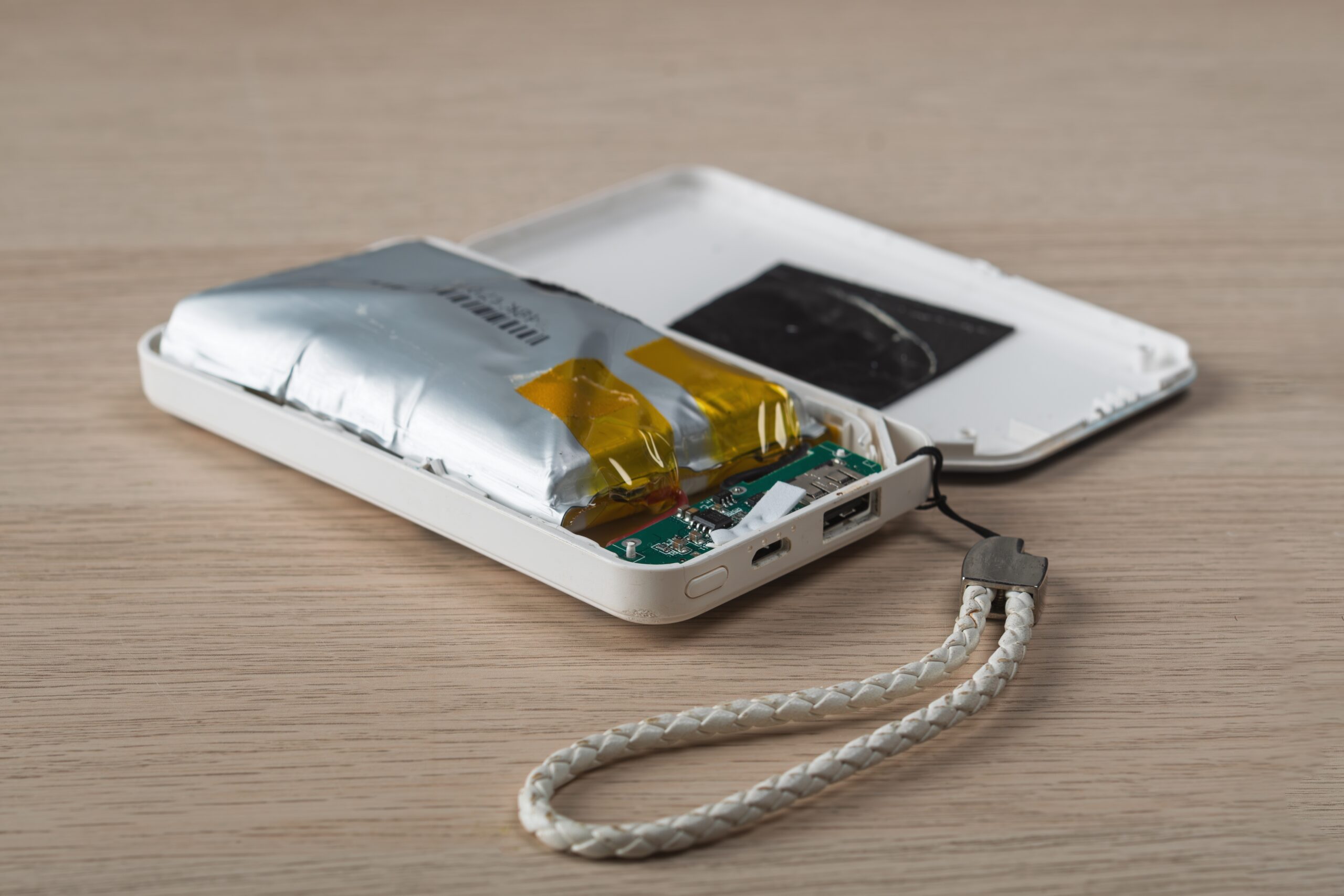
Thermal runaway is one of the main reasons lithium-ion batteries need to be handled carefully, especially when they are damaged, old, swollen, or ready for recycling. The term may sound technical, but the idea is simple. Thermal runaway happens when a battery gets too hot and begins a chain reaction that creates even more heat.
Once that reaction starts, the battery can become unstable. It may swell, smoke, vent gas, catch fire, or spread heat to nearby battery cells. This is why thermal runaway is taken seriously in laptops, power tools, e-bikes, scooters, electric vehicles, energy storage systems, and other devices powered by lithium-ion batteries.
For businesses, warehouses, schools, municipalities, repair shops, IT departments, and facilities teams, understanding thermal runaway can help improve battery storage, recycling, and disposal practices.
How Thermal Runaway Starts
A lithium-ion battery is made with layers of active materials, electrolyte, separators, metal current collectors, and stored electrical energy. Under normal use, these parts work together safely. Problems can begin when the battery is damaged, overheated, overcharged, crushed, punctured, or exposed to poor storage conditions.
Inside the battery, a thin separator helps keep the positive and negative sides apart. If that separator fails, the battery can short circuit internally. That short circuit can create heat. If the heat builds faster than it can escape, the battery materials can begin breaking down, which creates even more heat. (UL Research Institutes, 2021)
That is the cycle known as thermal runaway.
Why Lithium-Ion Batteries Are More Sensitive
Lithium-ion batteries are popular because they store a lot of energy in a small space. That high energy density is what makes them useful in phones, laptops, tools, vehicles, and rechargeable equipment.
But the same energy density also means the battery needs proper care. A small damaged battery can still contain stored energy. A large battery pack may contain many cells connected together. If one cell fails, heat can sometimes spread to nearby cells, especially when the pack is damaged or poorly managed.
This does not mean lithium-ion batteries are unsafe during normal use. It means they should not be treated like ordinary trash when they reach the end of their life.
Warning Signs of Thermal Runaway Risk
Before thermal runaway happens, a battery may show warning signs. These can include swelling, leaking, cracking, corrosion, unusual heat, a chemical smell, hissing sounds, smoke, burn marks, or a device case that appears to be bulging.
A battery that was dropped, crushed, punctured, exposed to water, involved in a fire, or damaged in a crash should also be treated carefully. Even if it still works, internal damage may not be visible from the outside.
Damaged batteries should be separated from normal used batteries and kept away from heat, water, flammable materials, and heavy traffic areas.
Why Thermal Runaway Matters for Recycling
Battery recycling starts before the battery ever reaches the recycling process. Proper storage and sorting help reduce risk.
Lithium-ion batteries should not be thrown into random boxes with wires, tools, scrap metal, or other batteries where terminals can touch. They should not be crushed, opened, punctured, or tossed into regular trash. Damaged batteries should be kept separate and identified before pickup or processing.
This is especially important for businesses that collect large volumes of batteries from laptops, power tools, phones, e-bikes, scooters, UPS systems, or equipment cleanouts.
How Battery Recycling & Solutions Helps
Battery Recycling & Solutions helps businesses manage lithium-ion batteries, damaged batteries, mixed battery loads, laptop batteries, power tool batteries, e-bike batteries, and other rechargeable batteries through proper recycling channels.
For commercial locations, a clear recycling process can help keep batteries organized, separate damaged units, and reduce the chance of old batteries sitting in storage for too long.
Frequently Asked Questions About Thermal Runaway
Can a dead battery go into thermal runaway?
Yes. A battery may no longer power a device, but it can still contain stored energy and should be handled carefully.
What causes thermal runaway?
Thermal runaway can be caused by physical damage, overheating, overcharging, internal short circuits, poor storage, manufacturing defects, or exposure to harsh conditions.
What should I do with a swollen lithium-ion battery?
A swollen battery should not be punctured, pressed, charged, or placed back into equipment. It should be separated and handled carefully.
Final Thoughts
Thermal runaway happens when heat inside a battery triggers a chain reaction that the battery cannot control. While most lithium-ion batteries are safe during normal use, damaged or end-of-life batteries need proper handling.
The best approach is simple: watch for warning signs, keep batteries dry and organized, separate damaged batteries, avoid crushing or puncturing them, and recycle them through the proper process. A careful battery recycling plan helps reduce risk and keeps used batteries moving in the right direction.