
Lithium Primary Battery Recycling

Lithium primary battery recycling usually involves non-rechargeable lithium batteries used in devices that require long-lasting, reliable power without frequent replacement. These batteries are commonly found in medical devices, security systems, utility meters, cameras, and specialty equipment. Because they are not rechargeable and can vary by chemistry and format, proper identification and handling matter from the start. Battery Recycling and Solutions offers drop-off for smaller lithium primary battery quantities and pickup for bulk loads, facility projects, and larger battery recycling needs.

Quick Answer: How to Recycle Lithium Primary Batteries

Lithium primary battery recycling usually comes down to drop-off for small household or device batteries and scheduled pickup for larger business, industrial, or utility-related loads. Because lithium primary batteries are non-rechargeable and can still present handling risks, they should be stored and moved more carefully than common alkaline batteries. For small quantities, drop-off may be enough. For bulk loads, business projects, or damaged units, pickup is usually the safer and more practical option.
What Counts as “Lithium Primary” Batteries?

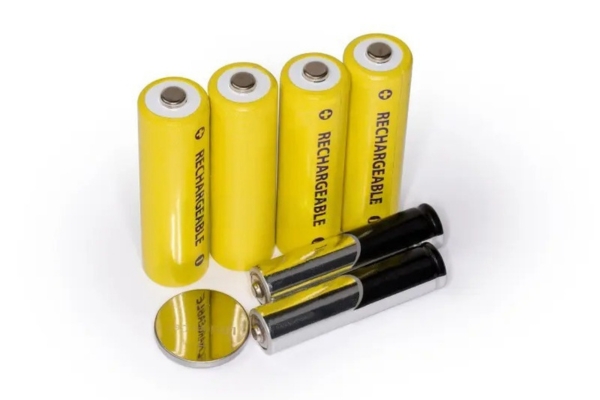
Lithium primary batteries are non-rechargeable lithium batteries used in a wide range of small devices, backup systems, meters, and specialized equipment. They are common in both consumer products and industrial applications, but they should not be confused with lithium-ion batteries, which are rechargeable and follow a different recycling path.

Common lithium primary battery examples include:

Why Classification Matters

Lithium primary batteries are not the same as lithium-ion batteries. That distinction matters because battery chemistry affects how the load should be handled, packaged, transported, and routed for recycling.


A small group of coin cell batteries is very different from a bulk load of industrial lithium primary batteries. The battery format, quantity, and condition can all affect transport rules, packaging needs, and the overall recycling pathway.

Your Recycling Options

Drop-Off Services

Drop-off is usually the best fit for small quantities of lithium primary batteries that can be safely stored and transported. This option works well for household batteries, small device batteries, and light commercial recycling needs.


  • Best for small quantities
  • Good for household or light commercial loads
  • Easier when batteries are stored safely and kept organized

Pickup Services

Pickup is usually the better option for larger lithium primary battery loads, recurring business projects, utility work, and industrial recycling needs. It helps keep larger quantities more controlled from the start and reduces internal handling.


  • Best for bulk quantities
  • Strong fit for businesses and facilities
  • Useful for utility and industrial batteries
  • Safer for larger lithium loads
  • Better option for multi-site projects

How to Prepare Lithium Primary Batteries for Recycling

Check the fundamentals before you move anything.

Identify and Separate

Start by confirming that the batteries are lithium primary, which means non-rechargeable lithium batteries. From there, separate them from lithium-ion and other battery chemistries, and isolate any damaged units right away. This step helps prevent confusion, supports safer handling, and makes it easier to choose the right recycling option.

Stage Safely

Once identified and separated, stage the batteries in a dry, stable area where they will not shift around or come into contact with loose metal. Preventing terminal contact is especially important with lithium batteries because short-circuit risk is real. Avoid loose storage, keep the batteries contained, and make sure the load stays organized before removal.

Package & Prepare for Removal

Package lithium primary batteries in a way that keeps them secure and reduces movement during transport. Use appropriate containers, label the load when needed, and prepare it based on whether it will be going through pickup or drop-off. Proper packaging matters here because lithium batteries need to be handled with more care than many people expect.

What Happens During and After Recycling

Lithium primary battery recycling follows a controlled process designed to keep handling safe and materials properly routed. From collection through downstream processing, the goal is to manage battery chemistry, condition, and packaging needs so the load moves through the correct recycling path without unnecessary risk.

one

Collection and Transport

Lithium primary batteries are collected through controlled drop-off or pickup routing depending on the size and condition of the load. Because lithium batteries require more careful handling than some other common battery types, transport should stay organized and controlled from the beginning.

two

Sorting and Processing

Once collected, lithium primary batteries are separated from other chemistries and routed based on their type and condition. This is not a one-size-fits-all stream. Small consumer batteries and larger industrial lithium units may move through different handling and processing steps.

three

Material Recovery

After sorting, recoverable metals and battery components are moved into the proper downstream recycling channels. Remaining materials are then handled through appropriate methods based on the battery type and recycling pathway.

Frequently Asked Questions About Lithium Primary Battery Recycling

Lithium primary batteries are used in a wide range of devices, from small electronics to critical systems, which is why recycling questions often come from both everyday use and larger operational projects. These are some of the most practical ones:

Can lithium primary batteries go in the trash?

No. Lithium primary batteries should not go in the trash because they need proper recycling and controlled handling.

No. Lithium primary batteries are non-rechargeable batteries.

That depends on the quantity, battery type, and project setup. Small quantities may be fine for drop-off, while business loads and larger projects are usually better suited for pickup.

Yes, but damaged lithium batteries need more controlled handling and should be separated from intact units right away.

They should be kept dry, stable, separated from other chemistries, and protected from terminal contact until pickup or drop-off.

Lithium primary batteries are non-rechargeable, while lithium-ion batteries are rechargeable. That difference affects handling, transport, and recycling.

Yes. Lithium primary batteries from utility work, industrial equipment, meters, and other business applications can be recycled through the proper battery recycling process.