
Quick Answer: How to Recycle VRLA Batteries
VRLA battery recycling usually comes down to pickup for larger battery loads, facility projects, and infrastructure-based systems, with drop-off only making sense for smaller and more manageable quantities. These are large sealed lead-acid batteries, so they are not handled the same way as smaller consumer batteries. The right approach depends on battery size, quantity, site conditions, and how the batteries are installed. In most cases, pickup is the safer and more practical option, especially when dealing with battery rooms, telecom sites, or utility infrastructure.
What Are VRLA Batteries?
Common Formats
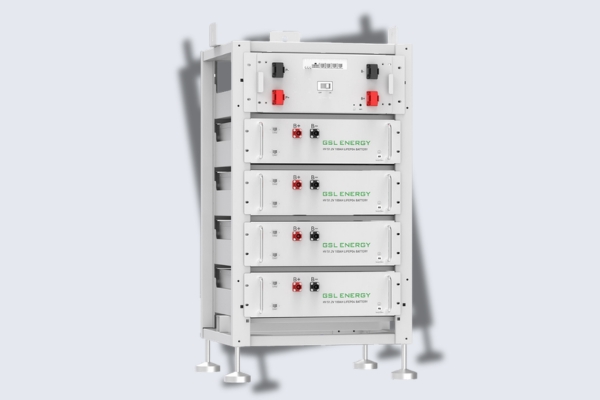
VRLA batteries are large sealed lead-acid batteries typically used in stationary backup power and industrial reserve power setups. These are not casual household batteries or everyday consumer batteries. In most cases, they are part of larger infrastructure systems where reliable standby power matters, which is why VRLA battery recycling usually requires more planning than a simple battery drop-off.
Common VRLA Battery Examples
- Telecom backup batteries
- Utility backup batteries
- Substation battery systems
- Battery room installations
- Industrial reserve power batteries
- Critical infrastructure battery banks
Why Battery Type Matters
Battery type matters because VRLA batteries are large lead-based industrial batteries, and that changes how they need to be handled from the start. Their size, weight, and use in critical backup systems make staging, transportation, and recycling very different from smaller batteries that are easier to move. Proper identification helps shape the right recycling plan, especially when the load involves battery rooms, telecom sites, utility infrastructure, or larger commercial projects.
Where VRLA Batteries Are Commonly Used
Telecom and Communication Systems
VRLA batteries are commonly used in telecom and communication systems where backup power is needed to help keep networks, communication rooms, and related equipment running during outages or service interruptions. In these environments, battery recycling often has to fit around active infrastructure and site access requirements instead of being treated like a simple cleanup project.
Utility and Substation Applications
These batteries are also used in utility and substation applications where reserve power supports electrical infrastructure and related systems. Because these setups are often larger and more operationally sensitive, VRLA battery recycling usually involves more deliberate coordination, especially when the batteries are heavy, numerous, or installed in controlled areas.
Industrial and Commercial Backup Power
In industrial and commercial environments, VRLA batteries are often part of backup power systems that help protect operations from downtime. Facilities may rely on them to support continuity, equipment protection, and broader operational stability, which is why recycling often needs to align with maintenance schedules, access conditions, and removal logistics.
How Long Do VRLA Batteries Last?
Typical Lifespan
VRLA batteries typically last around 10 to 20 years depending on operating conditions, maintenance, and how the system is used. They are designed for long-term, stationary backup power applications, which means they are built to perform reliably over extended periods rather than frequent cycling.
VRLA Battery Recycling Options
Drop-Off Services
Drop-off may work for smaller VRLA battery quantities when the load is manageable, the batteries can be transported safely, and the project is simple enough to handle without more involved site coordination. This option is generally better for smaller one-site loads where the batteries are already staged properly and can be moved without creating added complications.
Pickup Services
Pickup is often the better option for bulk VRLA battery loads, battery room cleanouts, telecom or industrial sites, utility projects, and heavier batteries that require stronger logistics. In many cases, these projects involve larger volumes, more weight, or more complicated removal conditions, which makes pickup the more practical and safer route.


