
Gel Battery Recycling

Gel batteries are commonly used in backup power systems, mobility equipment, marine applications, and energy storage setups where sealed battery performance matters. These are sealed lead-acid batteries that use gel electrolyte, and they still need proper recycling even though they are not flooded batteries. Battery Recycling and Solutions offers drop-off for smaller quantities and pickup for bulk, business, and multi-site gel battery loads.

Quick Answer: How to Recycle Gel Batteries

Gel battery recycling usually comes down to drop-off for small quantities and pickup for larger business loads, equipment batteries, and more involved battery projects. Because gel batteries are sealed lead-acid batteries, they should be recycled through the proper lead-acid stream rather than thrown away or handled casually. They are often easier to stage than flooded batteries, but they still require proper recycling and should not go in the trash.
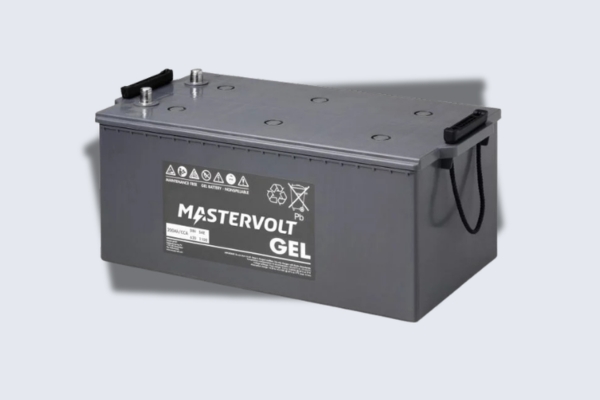
Gel Battery

What Are Gel Batteries?

Common Formats

Gel batteries are sealed lead-acid batteries that use gel electrolyte instead of liquid electrolyte. They are often used in applications where stable performance, reduced maintenance, and leak resistance are important.

Common gel battery examples include:

These batteries are built for industrial use, which means size, weight, and equipment access all matter during recycling.

Why Battery Type Matters

Gel batteries are different from flooded and AGM batteries, even though all three fall under the lead-acid category. That difference matters because battery design affects how the load should be handled, staged, moved, and routed for recycling.


Battery type, size, condition, and use case can all change the right recycling approach. A small mobility battery is very different from a larger group of solar storage or marine gel batteries, and those differences affect handling, transport, staging, and the recycling route.

Where to Recycle Gel Batteries

Battery Recycling and Solutions offers gel battery recycling services based on battery quantity, condition, and project setup. Whether the load involves a few batteries or a larger site project, our service is built to match the battery type, volume, and logistics involved.


  • Drop-off for smaller quantities
  • Pickup for bulk and commercial loads
  • Support for backup power and mobility battery projects
  • Service based on battery type, volume, and logistics

Drop-Off Services

Battery Recycling and Solutions offers gel battery drop-off services for smaller battery loads that can be transported safely and managed without more involved coordination. This is often the best fit for straightforward recycling needs and lower-volume projects.


  • Best for smaller quantities
  • Works for manageable battery loads
  • Good option when transport is simple

Pickup Services

Battery Recycling and Solutions offers pickup services for gel battery recycling projects involving businesses, facilities, backup power systems, and larger battery loads. This is usually the better fit when volume is higher, multiple sites are involved, or the project needs more controlled coordination.


  • Businesses and facilities
  • Bulk quantities
  • Multi-site battery loads
  • Backup power projects
  • Better for recurring recycling needs

How to Prepare Gel Batteries for Recycling

Gel batteries are sealed, but they still need to be handled carefully before drop-off or pickup. A little prep upfront helps keep the load organized and makes the recycling process smoother.

Identify and Separate

Start by confirming that the batteries are gel batteries and not AGM, flooded lead-acid, or another chemistry. From there, separate them from other battery types and isolate any damaged or cracked units right away so the load can be handled more safely from the beginning.

Stage for Safe Handling

Keep gel batteries upright, stable, and protected from unnecessary movement before removal. Avoid casual stacking or loose storage, and keep the batteries in a clean area where they can stay organized until pickup or drop-off.

Prepare for Drop-Off or Pickup

Use appropriate containers or staging methods if needed, especially for larger loads. Keep the batteries secure during transport, label bigger loads when helpful, and schedule pickup for bulk quantities or multi-site projects that need more coordinated handling.

What Happens After Gel Battery Collection

Gel battery recycling follows a controlled process designed to keep lead-based batteries properly routed, safely handled, and moved through the correct downstream recycling path.

one

Collection and Transport

Gel batteries move through controlled collection and transport based on the size and setup of the project. Whether the load is going through pickup or drop-off, the goal is to keep sealed lead-acid batteries stable and safely handled from the start.

two

Sorting and Processing

Once collected, gel batteries are routed into the proper lead-acid recycling stream and separated by battery format and condition. This helps make sure the load is managed based on project scope and moved through the correct downstream process.

three

Material Recovery

After sorting and processing, recoverable materials such as lead and plastic move into the proper recovery streams. Remaining materials are then handled through the appropriate downstream recycling methods.

Frequently Asked Questions About
Gel Battery Recycling

Gel batteries are often used in backup systems, mobility equipment, and deep-cycle setups, so the recycling process can raise a few practical questions. These common answers can help you handle gel batteries more confidently.

Can gel batteries go in the trash?

No. Gel batteries should not go in the trash because they are sealed lead-acid batteries and need proper recycling.

Yes. Gel batteries are a type of sealed lead-acid battery that uses gel electrolyte instead of liquid electrolyte.

Both are sealed lead-acid batteries, but they use different internal designs. That difference affects how they are used and how loads are identified before recycling.

Yes, but damaged gel batteries should be separated from intact units and handled more carefully before pickup or drop-off.

In many cases, yes. Pickup is often the better option for larger battery loads, business projects, and multi-site recycling needs.

They should be kept upright, stable, and protected from unnecessary movement until they are dropped off or picked up.

Yes. Some solar storage systems use gel batteries, especially in deep-cycle applications where sealed lead-acid performance is preferred.