
Nickel-Iron Battery Recycling

Nickel-iron battery recycling usually involves durable rechargeable batteries used in industrial systems, backup power setups, renewable energy storage, and other long-life applications. These batteries are less common than lithium-ion or lead-acid, but they still need to be identified and handled correctly because their chemistry, size, and use case affect how they should be stored, transported, and recycled. Battery Recycling and Solutions offers drop-off for smaller nickel-iron battery quantities and pickup for bulk loads, facility projects, and larger battery recycling needs.

Quick Answer: How to Recycle Nickel-Iron Batteries

Nickel-iron battery recycling usually comes down to drop-off for smaller battery quantities and pickup for businesses, facilities, bulk loads, and larger operational projects. These batteries are built for long service life, but once they are no longer useful, they should be routed through the proper recycling process rather than stored indefinitely or discarded improperly. The right option depends on quantity, condition, and whether the load is tied to a simple battery removal or a larger site project.
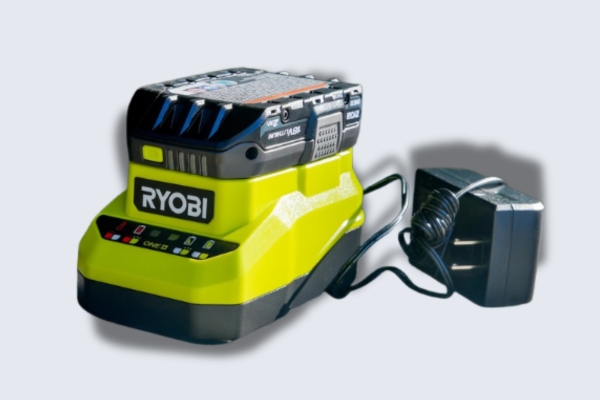
Nickel-Iron Battery

What Are Nickel-Iron Batteries?

Common Formats

Nickel-iron batteries are rechargeable batteries known for durability, long cycle life, and use in stationary or industrial-type applications. They are not the kind of battery most people deal with in everyday household electronics. Instead, they are more likely to show up in specialized systems, legacy equipment, and long-term power setups where reliability matters more than compact size.

Common nickel-iron battery examples include:

Why Battery Type Matters

Nickel-iron batteries are different from lithium-ion, lead-acid, Nicad, and other battery chemistries, which is why they need to be identified correctly before recycling. Their format, size, age, and system use all affect how they should be handled. Even when they look similar to other industrial batteries, the chemistry and project setup matter.


A few loose nickel-iron cells are very different from a full battery bank removed from an off-grid system, industrial setup, or backup power room. That difference affects staging, transport, removal planning, and the recycling path.

Where Nickel-Iron Batteries Are Commonly Used

Renewable Energy and Off-Grid Systems

Nickel-iron batteries are commonly used in:


  • Solar storage systems
  • Off-grid battery banks
  • Renewable backup setups

Industrial and Backup Power Applications

They also appear in:


  • Industrial reserve power
  • Facility backup systems
  • Long-life battery installations

Industrial and Backup Power Applications

Other common use cases include:


  • Rail or signaling systems
  • Older stationary battery systems
  • Specialized commercial or infrastructure setups

Nickel-Iron Battery Recycling Options

Drop-Off Services

Battery Recycling and Solutions offers drop-off services for smaller nickel-iron battery loads that can be transported safely and handled without more involved coordination. This is often the best fit for smaller quantities and straightforward projects.


  • Best for smaller quantities
  • Individual cells or smaller loads
  • Simple transport
  • Straightforward recycling option

Pickup Services

Battery Recycling and Solutions offers pickup services for nickel-iron battery recycling projects involving facilities, businesses, backup systems, and larger battery quantities. This is often the better fit for heavier loads, battery banks, and more involved logistics.


  • Businesses and facilities
  • Bulk battery quantities
  • Battery banks and system removals
  • Larger recycling projects
  • More controlled battery removal

How to Prepare Nickel-Iron Batteries for Recycling

Start by getting clear on the basics of Nickel-iron batteries before moving anything.

Identify and Separate

Start by confirming the batteries are nickel-iron when possible. Keep them separate from lead-acid, lithium-ion, Nicad, and other battery types so the load stays organized and easier to route correctly.

Store Safely Before Recycling

Keep nickel-iron batteries stable, contained, and protected from damage before drop-off or pickup. Avoid mixing them loosely with other battery chemistries, especially on larger projects involving battery rooms or system replacements.

Prepare for Drop-Off or Pickup

Place smaller batteries in appropriate containers, organize larger loads by site or project, and label bulk quantities when helpful. For battery banks, industrial systems, or larger operational projects, pickup is usually the better option.

What Happens After Nickel-Iron Battery Collection + During The Recycling Process

Nickel-iron battery recycling follows a controlled process designed to separate these batteries from other chemistries, reduce handling issues, and move recoverable materials through the proper downstream channels.

one

Collection and Sorting

Batteries are collected through drop-off or pickup and sorted away from other chemistries and battery types. This helps keep the recycling stream accurate from the start.

two

Processing and Separation

Once sorted, nickel-iron batteries move through controlled processing steps where battery components are separated into the correct downstream streams.

three

Material Recovery

Materials such as nickel, iron, steel, and other battery components may be recovered through the recycling process, while the remaining materials are handled through the appropriate downstream route.

Frequently Asked Questions About
Nickel-Iron Battery Recycling

Nickel-iron batteries are less common than many other battery types, which is why recycling questions usually come from people dealing with specialized equipment, older systems, or larger stationary battery projects. These are some of the most practical ones.

Can nickel-iron batteries go in the trash?

No. Nickel-iron batteries should not go in the trash and should be routed through the proper recycling process.

They are commonly used in industrial systems, backup power setups, renewable energy storage, off-grid systems, and older stationary battery applications.

Yes. Nickel-iron batteries are rechargeable batteries known for long service life and durability.

They need proper recycling because their chemistry, size, and system use affect how they should be handled, removed, and processed.

Yes. Nickel-iron batteries are often used in off-grid power systems and renewable energy storage setups.

Yes. Different battery chemistries should be separated so the recycling process stays safer and more organized.

Recycling may recover materials such as nickel, iron, steel, and other battery components.