
Quick Answer: How to Recycle Wet NiCad Batteries
Wet NiCad battery recycling usually comes down to pickup for industrial battery systems, facility projects, and bulk loads, with drop-off only making sense for smaller and safely contained quantities. Because these batteries contain liquid electrolyte and are often installed in larger systems, the right approach depends on battery size, condition, and site setup. In most cases, pickup is the safer and more practical option.
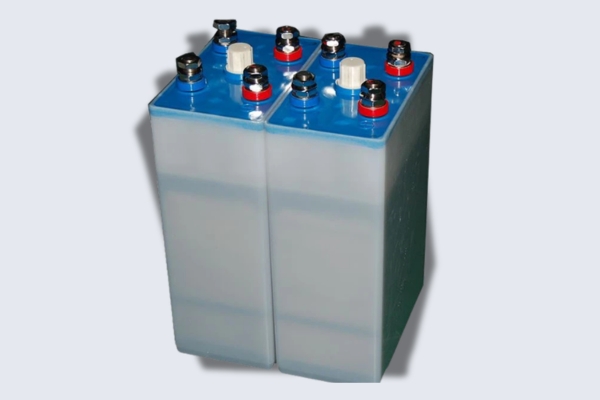
What Are Wet NiCad Batteries?
Common Formats
Wet NiCad batteries are nickel-cadmium batteries with a liquid electrolyte, typically used in industrial and stationary applications. Unlike sealed NiCad batteries, these are vented systems that require maintenance and controlled environments. They are built for demanding use cases where long-term reliability matters more than convenience or compact size.
Common wet NiCad battery examples include:
- Industrial NiCad battery cells
- Backup power battery banks
- Utility and substation batteries
- Large battery room installations
- Rail and transportation batteries
- Aviation and emergency system batteries
Why Battery Type Matters
Wet NiCad batteries are different from sealed NiCad, lithium-ion, lead-acid, and other battery chemistries. The presence of liquid electrolyte and cadmium content changes how they must be handled from the start.
A few individual cells are very different from a full battery bank removed from a facility, rail system, or industrial site. That difference affects staging, containment, transport, and the recycling process.
Where Wet NiCad Batteries Are Commonly Used
Utilities and Infrastructure
Wet NiCad batteries are commonly used in:
- Substations
- Utility backup systems
- Grid support systems
Transportation and Rail Systems
They are also often found in:
- Rail equipment
- Signaling systems
- Transit infrastructure
Industrial and Backup Power Applications
Other common use cases include:
- Battery rooms
- Facility backup systems
- Emergency power systems
How Long do Wet NiCad Batteries Last?
Typical Lifespan
Wet NiCad batteries typically last 15 to 25 years depending on maintenance, environment, and usage. They are designed for long-term reliability in demanding applications, which is one reason they still show up in infrastructure and industrial settings.
Wet NiCad Battery Recycling Options
Drop-Off Services
Drop-off may work for smaller, contained wet NiCad battery quantities when the batteries can be transported safely.
- Best for smaller quantities
- Individual cells or limited loads
- Simple transport
- Controlled handling required
Pickup Services
Battery Recycling and Solutions offers pickup support for wet NiCad battery recycling projects involving facilities, utilities, transportation systems, and industrial operations.
- Businesses and facilities
- Bulk battery quantities
- Battery banks and system removals
- Industrial and infrastructure projects
- More controlled battery removal


