Quick Answer: How to Recycle Battery Production Scrap
Battery production scrap recycling usually comes down to identifying the material stream, separating recyclable metals and battery-related components, and routing them through the proper recycling path based on type, condition, and volume. Smaller or cleaner metal-only loads may be easier to stage and move, while larger or mixed production scrap projects usually require pickup and more structured handling. The goal is to keep recyclable battery manufacturing materials out of the waste stream and move them into the right recovery process.
What Counts as Battery Production Scrap?
Common Production Scrap Types
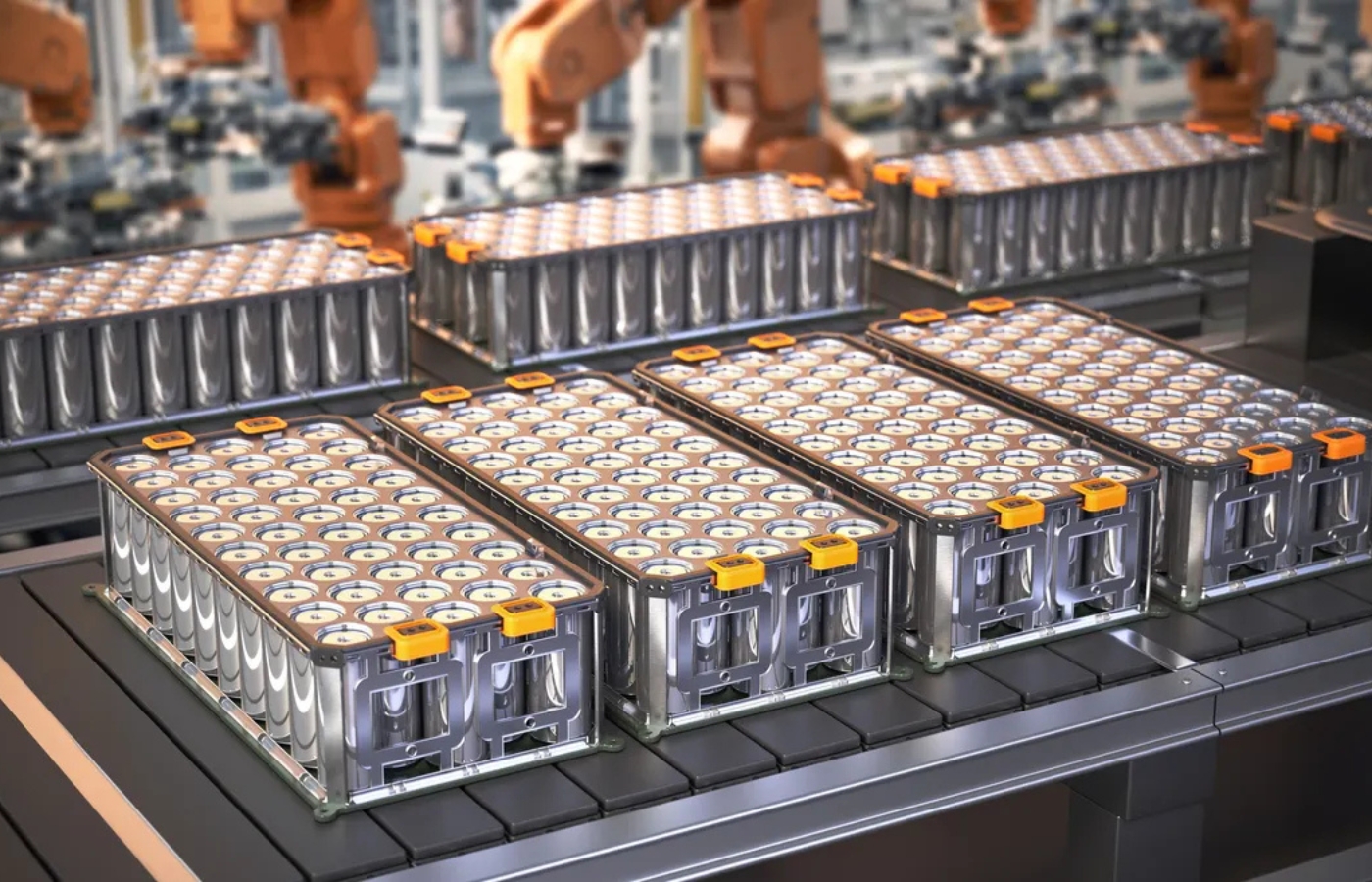
Battery production scrap can include a wide range of manufacturing waste generated before a battery ever reaches end use. This is usually factory-floor material, assembly scrap, or off-spec production waste rather than consumer battery disposal. In other words, this page is about the metal and battery-related materials created during production, not old household batteries
Common battery production scrap examples include:
- Electrode trimmings
- Foil scrap
- Copper and aluminum current collector scrap
- Tabs and connectors
- Off-spec battery components
- Rejected cells or battery parts
- Bus bars and metal contacts
- Battery casings and housings
- Production line metal scrap
- Pilot-scale battery manufacturing waste
Battery Production Scrap Recycling Options
Scheduled Pickup Services
Battery Recycling and Solutions offers pickup support for battery production scrap projects involving manufacturers, pilot lines, assembly operations, and larger scrap volumes. This is usually the best fit for recurring production waste and facility-based loads.
- Manufacturers and production sites
- Bulk scrap volumes
- Pilot and scale-up operations
- Ongoing scrap removal
- Controlled pickup coordination
Project-Based Scrap Removal
Some operations generate production scrap during line upgrades, cleanouts, or temporary manufacturing runs. Project-based recycling support can help clear material efficiently without disrupting operations.
- Facility cleanouts
- Line changes
- Production changeovers
- Temporary scrap surges


