
Flooded Lead-Acid Battery Recycling

Flooded lead-acid batteries are common across industrial equipment, commercial systems, and backup power setups where reliable stored power is critical. Because these are traditional lead-acid batteries with liquid electrolyte, they often require more careful staging and handling than sealed battery types. Battery Recycling and Solutions offers drop-off for smaller quantities and pickup for bulk, industrial, and facility battery loads.

Quick Answer: How to Recycle Flooded Lead-Acid Batteries

Flooded lead-acid battery recycling usually comes down to drop-off for small, manageable quantities or pickup for larger business, equipment, and facility loads. Because these batteries contain liquid electrolyte, their condition and handling matter more during staging and transport. They are common in heavy-duty and industrial settings, but they should not be moved or discarded casually.
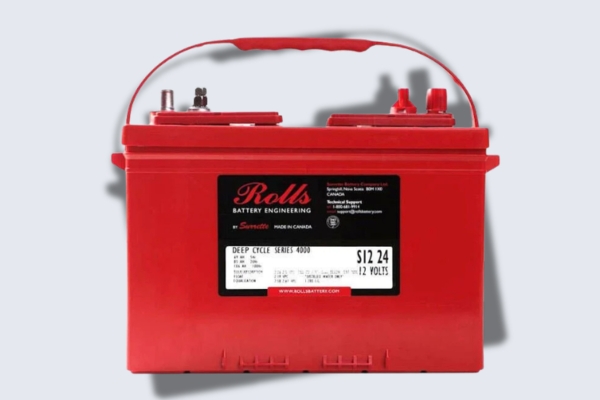
Flooded Lead-Acid Battery

What Are Flooded Lead-Acid Batteries?

Common Formats

Flooded lead-acid batteries are traditional vented batteries that use liquid electrolyte instead of a sealed internal design. They are often found in heavier-duty systems and larger power setups where maintenance access, capacity, and long-term use matter.

Common flooded lead-acid battery examples include:

These are vented or liquid-electrolyte lead-acid batteries, not sealed AGM or gel batteries.

Why Battery Type Matters

Flooded lead-acid batteries are different from AGM and gel batteries because they contain liquid electrolyte and are often used in larger or more demanding systems. That difference affects how they should be staged, transported, and prepared for recycling.


Battery size, liquid content, condition, and overall volume can all impact handling, transport, staging, and the recycling route. A single flooded battery from equipment is very different from a pallet of industrial batteries or a larger backup battery bank.

Where to Recycle Flooded Lead-Acid Batteries

Battery Recycling and Solutions offers flooded lead-acid battery recycling options based on project size, battery format, and handling needs. Whether you are dealing with a small quantity or a larger industrial load, the goal is to match the project with the safest and most practical service option.


  • Drop-off for small quantities
  • Pickup for industrial and bulk loads
  • Support for equipment, facilities, and battery rooms
  • Service based on battery size, condition, and logistics

Drop-Off Services

Battery Recycling and Solutions offers drop-off services for smaller flooded lead-acid battery loads that can be handled and transported safely. This is usually the better fit for manageable quantities that do not require more involved site coordination.


  • Best for smaller quantities
  • Good for manageable battery loads
  • Works when transport can be handled safely

Pickup Services

Battery Recycling and Solutions offers pickup services for larger flooded lead-acid battery projects where volume, weight, or site conditions make on-site removal the better option. This is often the right fit for industrial facilities, equipment battery loads, battery rooms, and recurring recycling needs.


  • Industrial facilities
  • Equipment batteries
  • Bulk quantities
  • Battery rooms and larger site projects
  • Better for recurring recycling needs

How to Properly Prepare Flooded Lead-Acid Batteries for Recycling

Know what you’re dealing with before moving anything.

Identify and Separate

Start by confirming that the batteries are flooded lead-acid batteries and not sealed AGM, gel, or another chemistry. From there, separate them from other battery types and isolate any damaged or leaking units right away so the load can be handled more safely from the start.

Stage with Leak Prevention in Mind

Flooded lead-acid batteries should be kept upright and staged in a way that reduces the chance of tipping or impact. Any units with visible leakage should be contained, and all batteries should be kept away from traffic, active work areas, and situations where they could get bumped or damaged.

Package and Coordinate Removal

Use appropriate containers, pallets, or other stable staging methods based on the battery size and project type. Keep the load secure, label it when needed, and schedule pickup for larger or more complex removals where extra coordination is the better route.

What Happens After Flooded Lead-Acid Battery Collection + During Recycling

Flooded lead-acid battery recycling follows a controlled process focused on safe movement, proper lead-acid routing, and careful handling of batteries that may contain liquid electrolyte. From collection through downstream processing, the goal is to keep the load organized and move it through the right recycling path without unnecessary risk.

one

Collection and Transport

Flooded lead-acid batteries move through controlled collection and transport based on the size and condition of the load. Because these batteries may contain liquid electrolyte, careful handling during movement is especially important.

two

Sorting and Processing

Once collected, flooded lead-acid batteries are routed into the proper lead-acid recycling stream and separated by format and condition. This helps ensure that intact units, damaged batteries, and larger industrial loads are processed appropriately.

three

Material Recovery

After sorting and processing, recoverable materials such as lead and plastic move into the proper downstream recovery streams. Remaining materials are then handled through approved downstream methods.

Frequently Asked Questions About
Flooded Lead-Acid Battery Recycling

Flooded lead-acid batteries often raise more handling questions because of their liquid components. These common questions can help you manage them safely before recycling.

Can flooded lead-acid batteries go in the trash or dumpster?

No. Flooded lead-acid batteries should not go in the trash or dumpster because they contain lead and liquid electrolyte and need proper recycling.

Flooded lead-acid batteries use liquid electrolyte and are vented, while AGM batteries are sealed and designed differently. That difference affects handling, staging, and recycling logistics.

Yes. Because they may contain liquid electrolyte, flooded batteries should be kept upright, staged carefully, and separated from damaged or leaking units before pickup.

Isolate it right away, keep it upright if possible, and keep it separate from intact batteries. Loads with leaking units usually need more controlled handling.

Yes. Battery Recycling and Solutions offers pickup for industrial flooded lead-acid battery loads, including larger site projects, equipment batteries, and battery room removals.

No. Flooded lead-acid batteries should not be casually drained before recycling. They should stay intact and be routed through proper handling and recycling processes.

Some are, yes. Many forklift batteries and backup power batteries fall into the flooded lead-acid category, which is why confirming the battery type upfront matters.