
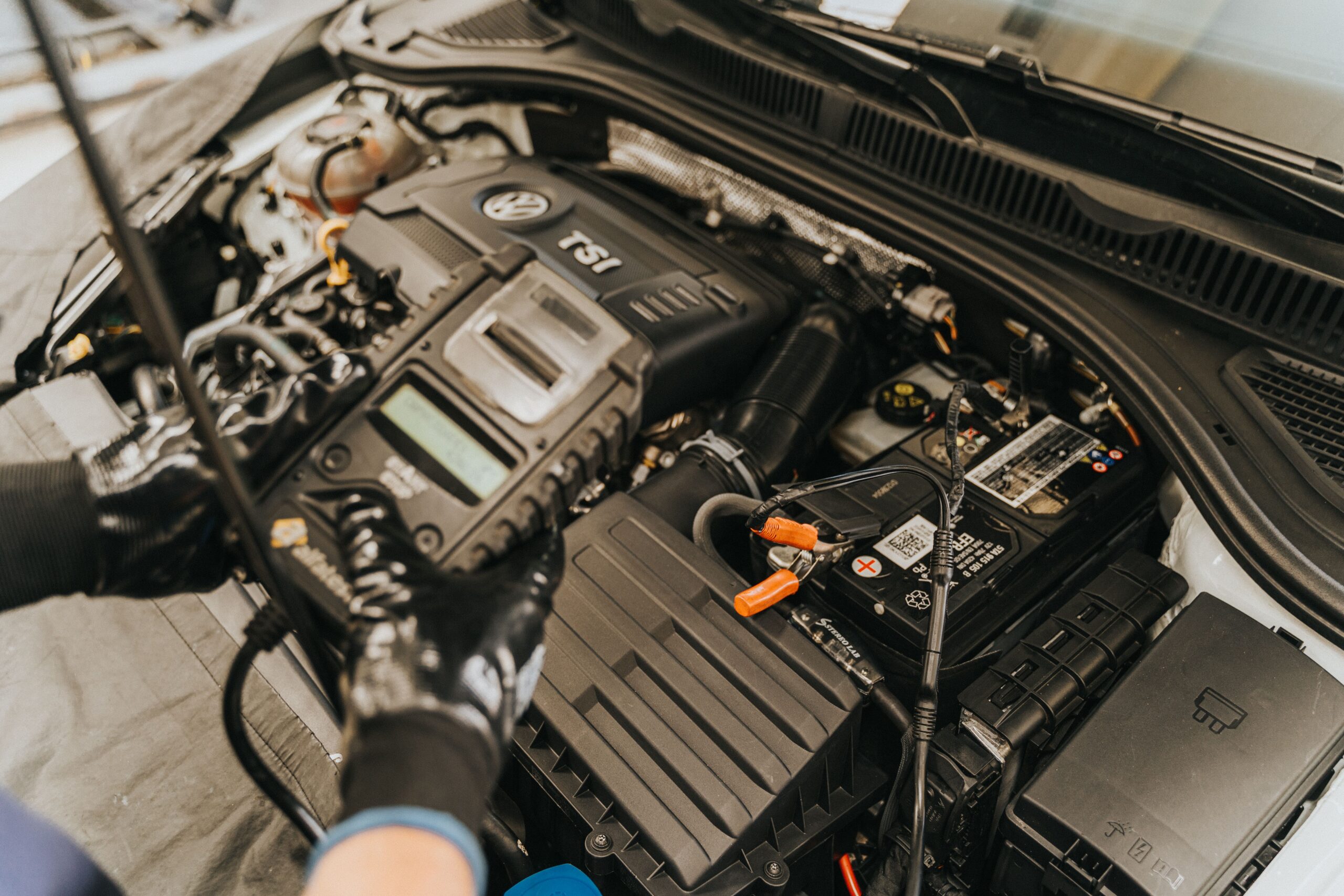
Car batteries may look simple from the outside, but inside each battery is a carefully designed system of metals, chemicals, plates, separators, and electrolyte that work together to store and deliver power. For businesses, auto shops, dealerships, fleets, and facilities that handle used automotive batteries, understanding what is inside of a car battery helps explain why proper battery recycling is so important.
Most traditional car batteries are lead-acid batteries, which have been used in vehicles for decades because they are reliable, rechargeable, and capable of delivering a strong burst of power to start an engine.
The Main Components Inside a Car Battery
A standard car battery contains several key parts. Each one plays a role in producing and storing electrical energy. (Clarios, 2025)
Lead Plates
The most valuable and recognizable material inside a car battery is lead. Inside the battery case are positive and negative plates made from lead-based materials.
The positive plates usually contain lead dioxide, while the negative plates are made from sponge lead. These plates react with the battery’s electrolyte to create the electrical current needed to start a vehicle and power certain electrical systems.
Because lead is a heavy metal, it must be handled carefully. Used car batteries should never be thrown in the trash or left exposed where they can leak or break open.
Sulfuric Acid Electrolyte
Another major component inside a car battery is sulfuric acid, mixed with water to form the battery’s electrolyte. This liquid allows the chemical reaction between the lead plates to take place.
The electrolyte is one of the reasons car batteries require proper recycling and handling. If a battery is cracked, damaged, or improperly stored, acid can leak and create safety, environmental, and property concerns.
Plastic Battery Case
The outer shell of a car battery is typically made from durable plastic, often polypropylene. This case protects the internal components and helps contain the acid and lead plates.
During the battery recycling process, the plastic case can often be separated, cleaned, and processed for reuse in new products, including new battery cases.
Separators
Inside the battery, separators are placed between the positive and negative plates. These thin materials prevent the plates from touching each other while still allowing ions to move through the electrolyte.
Without separators, the battery could short circuit internally. They are a small part of the battery, but they are critical to safe and reliable performance.
Terminals and Connectors
The terminals are the metal connection points on top or side of the battery. These allow the vehicle’s cables to connect to the battery and transfer power.
Terminals may contain lead or lead alloys, which makes them another recyclable part of the battery.
Why Car Battery Recycling Matters
Because car batteries contain lead, acid, and recyclable plastic, they should be managed through a proper battery recycling program. When handled correctly, many of the materials inside a lead-acid battery can be recovered and reused.
Recycling car batteries helps:
- Reduce the risk of acid leaks and unsafe storage
- Recover valuable lead and plastic materials
- Keep heavy metals out of landfills
- Support more responsible battery management
- Help businesses maintain cleaner, safer disposal practices
For companies that generate used car batteries regularly, such as auto repair shops, fleet operators, towing companies, dealerships, warehouses, and maintenance facilities, having a dependable recycling solution can make battery disposal much easier.
Are All Car Batteries the Same Inside?
Not all vehicle batteries are exactly the same. Most standard gasoline-powered vehicles use lead-acid batteries, but newer vehicles may also use AGM batteries, gel batteries, or lithium-based battery systems depending on the application.
AGM, or absorbed glass mat batteries, are still lead-acid batteries, but they use fiberglass mats to hold the electrolyte. They are commonly used in vehicles with start-stop technology, luxury vehicles, and certain commercial applications.
Electric and hybrid vehicles use larger battery packs, often made with lithium-ion chemistry. These are very different from traditional 12-volt car batteries and require specialized recycling solutions.
Battery Recycling & Solutions Can Help
Battery Recycling & Solutions works with businesses and organizations that need responsible battery recycling services. Whether your company manages used car batteries from vehicles, equipment, maintenance operations, or fleet services, proper recycling helps keep hazardous materials out of the wrong waste streams.
Used automotive batteries should be stored safely, kept upright when possible, and handled in a way that prevents cracking, leaking, or terminal contact. Businesses with larger quantities should work with a battery recycling provider that understands the materials, handling concerns, and recycling process.
FAQ: What’s Inside of a Car Battery?
What is the main material inside a car battery?
The main material inside a traditional car battery is lead. Lead plates and lead-based components are used to store and deliver electrical energy.
Is there acid inside a car battery?
Yes. Most standard car batteries contain a sulfuric acid and water electrolyte. This liquid helps create the chemical reaction that allows the battery to produce power.
Can car batteries be recycled?
Yes. Car batteries are highly recyclable when handled properly. Lead, plastic, and other materials can often be recovered and reused.
Why shouldn’t car batteries go in the trash?
Car batteries contain lead and acid, which can create environmental and safety concerns if they are damaged, dumped, or disposed of improperly.
Who needs car battery recycling services?
Auto shops, dealerships, fleet operators, warehouses, municipalities, towing companies, and maintenance facilities often need reliable car battery recycling services.