
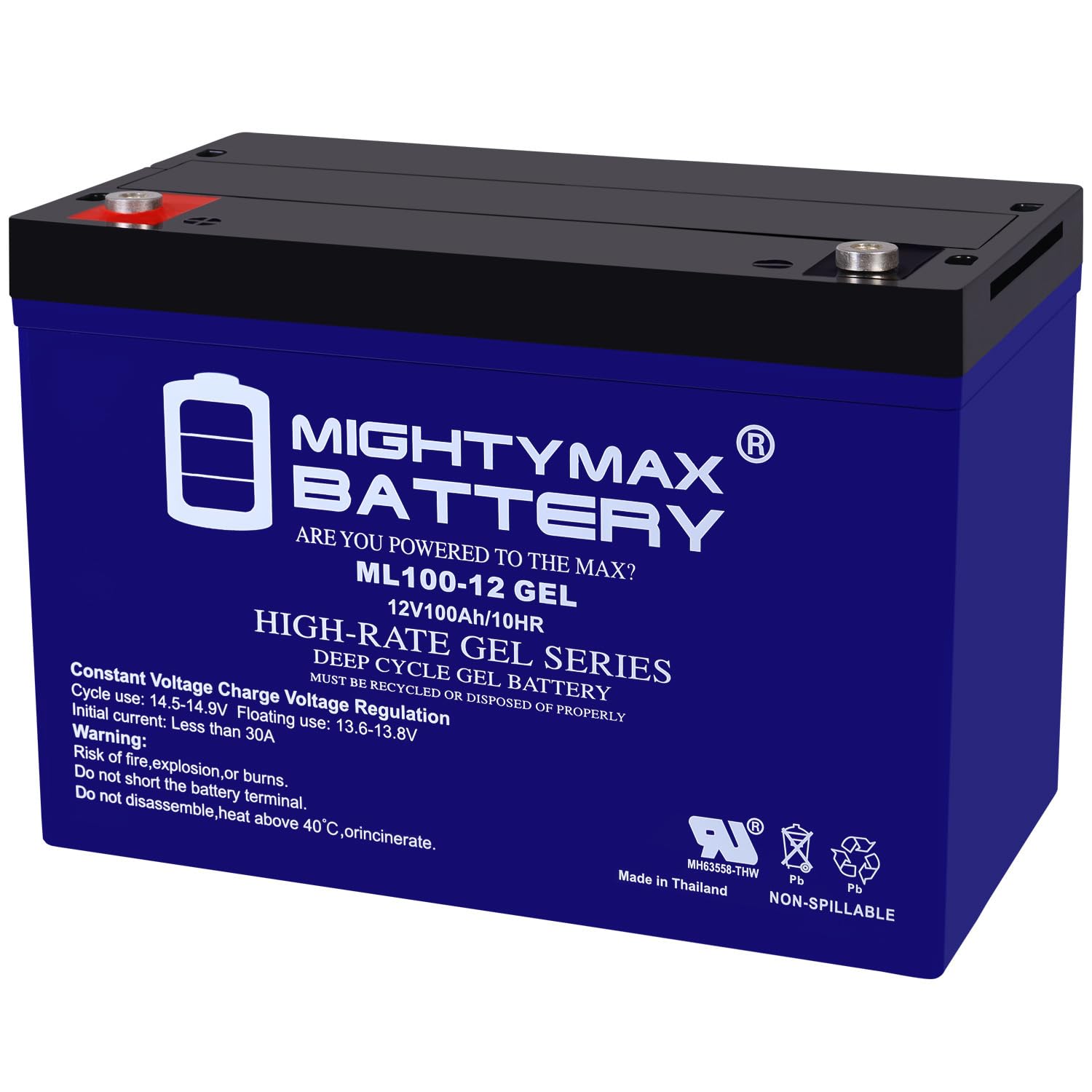
A gel battery is a type of sealed lead-acid battery that uses a thick, gel-like electrolyte instead of free-flowing liquid acid. This design makes it spill-resistant, low-maintenance, and useful in applications where steady power matters.
Businesses may find gel batteries in backup power systems, mobility equipment, solar energy storage, marine systems, emergency lighting, and other commercial equipment. While they are built to be durable and practical, they still need proper handling when they reach end of life.
Gel battery recycling helps businesses manage these batteries responsibly, keep them out of regular trash, and route recoverable materials through the right recycling process. Battery Recycling & Solutions helps businesses collect, sort, and recycle gel batteries in commercial quantities.
What Does Gel Battery Mean?
A gel battery is a sealed lead-acid battery that uses a gelled electrolyte. The sulfuric acid inside the battery is mixed with silica to create a thick, stable gel.
In simple terms:
- “Gel” refers to the thickened electrolyte inside the battery
- “Lead-acid” refers to the battery chemistry
- “Sealed” means the battery is designed to be maintenance-free under normal use
- “VRLA” means valve regulated lead acid, which is the broader category gel batteries belong to
Gel batteries are built to reduce spills, lower maintenance needs, and provide steady power in specific applications.
Why Gel Batteries Are Also Called VRLA Batteries
Gel batteries are one type of VRLA battery. VRLA stands for valve regulated lead acid.
The valve helps control internal pressure if gas builds up inside the battery. Under normal conditions, the battery stays sealed. If pressure becomes too high, the valve can release excess gas.
You may see gel batteries described as:
- Gel cell batteries
- Sealed lead-acid batteries
- SLA batteries
- VRLA gel batteries
These terms are related, but gel battery specifically refers to the design that uses gelled electrolyte.
How Gel Batteries Differ From Flooded Lead-Acid Batteries
A traditional flooded lead-acid battery contains liquid electrolyte that can move freely inside the battery. These batteries may require water refilling and usually need to stay upright.
A gel battery is different because:
- The electrolyte is thick and immobilized
- The battery is sealed under normal conditions
- It does not require regular water refilling
- It is more spill-resistant
- It can work well in applications that need stable, long-duration power
That design is why gel batteries are often used where low maintenance and dependable operation are important.
How Does a Gel Battery Work?
The basic chemistry
A gel battery uses lead-acid chemistry. Inside the battery, lead plates interact with the gelled electrolyte to store and release energy.
When the battery discharges, a chemical reaction produces electricity. When it recharges, that reaction is reversed so the battery can store energy again.
The gel electrolyte
The main difference is the electrolyte. Instead of liquid acid, gel batteries use sulfuric acid mixed with silica to form a thick gel.
This gel helps keep the electrolyte in place. It also reduces the chance of spills compared to flooded lead-acid batteries.
The safety valve
Gel batteries are sealed, but they still need a way to manage internal pressure. The valve helps release excess gas if pressure builds too high.
This is part of what makes gel batteries practical for indoor, mobile, and commercial applications.
Main Types of Gel Battery Applications
Deep-cycle gel batteries
Many gel batteries are designed for deep-cycle use. That means they can provide steady power over a longer period rather than just a quick burst of energy.
These are common in mobility equipment, solar systems, marine applications, and backup power systems.
Standby gel batteries
Some gel batteries are used for standby power. These batteries sit ready until power is needed during an outage or equipment interruption.
They may be found in emergency lighting, telecom systems, alarms, and UPS backup systems.
Gel vs AGM batteries
Gel and AGM batteries are both sealed lead-acid batteries, but they are built differently.
Gel batteries:
- Use thick gel electrolyte
- Are strong for deep-cycle use
- Handle steady discharge well
AGM batteries:
- Use absorbed glass mat separators
- Often deliver higher current output
- Are common in starting, UPS, and high-demand applications
Both are recyclable and should be handled through proper battery recycling channels.
What Are Gel Batteries Used For?
Gel batteries are used in applications where reliability, spill resistance, and lower maintenance are important.
Common uses include:
- Wheelchairs and mobility scooters
- Solar energy storage systems
- Marine and RV power
- Emergency lighting
- Security systems
- Telecom equipment
- UPS backup systems
- Medical equipment
- Industrial controls
- Remote power systems
For businesses, gel batteries often show up during equipment upgrades, battery replacements, facility cleanouts, and backup power maintenance.
Advantages of Gel Batteries
Maintenance-free operation
Gel batteries do not require regular water refilling. This makes them easier to manage than traditional flooded lead-acid batteries.
For busy facilities, that lower maintenance requirement can be a major advantage.
Spill-resistant design
Because the electrolyte is gelled, it does not move freely like liquid acid. That makes gel batteries more spill-resistant and practical for mobile or indoor applications.
Strong deep-cycle performance
Gel batteries are often a good choice for steady, long-duration discharge. This makes them useful in equipment that needs reliable power over time.
Familiar and recyclable chemistry
Gel batteries use lead-acid chemistry, which has established recycling channels. Through proper gel battery recycling, materials such as lead, plastic, and other components can be routed into recovery streams.
Limitations of Gel Batteries
Charging requirements matter
Gel batteries need the right charging settings. Overcharging or using the wrong charger can shorten battery life or cause internal damage.
Higher upfront cost
Gel batteries may cost more than standard flooded lead-acid batteries. The tradeoff is lower maintenance, spill resistance, and better performance in certain applications.
Not ideal for every use
Gel batteries are not always the best option for high-current starting power or applications that need rapid charging. In those cases, AGM or other battery types may be a better fit.
Bulk quantities need planning
When businesses replace multiple gel batteries at once, the old batteries should be collected, sorted, and recycled properly. They should not be mixed into general trash or unmanaged scrap piles.
Are Gel Batteries the Same as AGM Batteries?
No, gel batteries and AGM batteries are not the same thing.
Both are types of sealed lead-acid batteries, but they use different internal designs. Gel batteries use a thick gel electrolyte, while AGM batteries use fiberglass mats that absorb the electrolyte.
Both can be useful, but they perform differently. Gel batteries are often stronger for deep-cycle, steady discharge applications. AGM batteries are often better for high current output and faster recharge needs.
Why Gel Batteries Should Be Recycled
Gel batteries contain lead, plastic, electrolyte, and other materials that should be managed properly at end of life. They should not be thrown into regular trash or left sitting in storage for years.
Proper gel battery recycling helps businesses:
- Keep batteries out of regular waste
- Manage bulk battery loads
- Reduce improper disposal
- Support responsible battery recycling
- Recover useful materials through proper channels
- Keep facilities, storage rooms, and maintenance areas organized
For businesses, recycling is the practical next step when gel batteries are removed from service.
How Businesses Should Handle Gel Batteries at End of Life
Start by identifying the battery type. Look for labels such as gel, gel cell, SLA, sealed lead acid, or VRLA.
Separate old gel batteries from regular trash and other battery types when possible. Check for cracks, leaks, swelling, corrosion, heat, or physical damage. Damaged batteries should be kept separate and handled carefully.
Store batteries in a controlled area where they will not be crushed, tipped, punctured, or mixed with loose scrap. For commercial quantities, arrange pickup with an experienced battery recycling provider.
How Battery Recycling & Solutions Helps With Gel Battery Recycling
Battery Recycling & Solutions helps businesses manage gel battery recycling through proper sorting, pickup, and responsible recycling support.
The company can help with commercial quantities, bulk battery loads, mixed battery types, and batteries removed during equipment upgrades, cleanouts, or replacement projects.
For organizations that need a clear process for gel battery disposal, Battery Recycling & Solutions provides a practical path for proper recycling and bulk battery management.
Frequently Asked Questions About Gel Batteries
What is a gel battery?
A gel battery is a sealed lead-acid battery that uses a thick gel electrolyte instead of free-flowing liquid acid.
What are gel batteries used for?
Gel batteries are used in mobility equipment, solar storage, marine systems, RVs, emergency lighting, security systems, telecom equipment, and backup power systems.
Are gel batteries rechargeable?
Yes. Gel batteries are rechargeable lead-acid batteries, but they need the correct charger settings to avoid damage.
Is a gel battery the same as an AGM battery?
No. Both are sealed lead-acid batteries, but gel batteries use gelled electrolyte, while AGM batteries use absorbed glass mat separators.
Can gel batteries be recycled?
Yes. Gel batteries can be recycled through proper battery recycling programs.
How should businesses dispose of gel batteries?
Businesses should separate gel batteries from regular waste, check for damage, store them properly, and arrange pickup or recycling with an experienced provider.
Does Battery Recycling & Solutions recycle gel batteries?
Yes. Battery Recycling & Solutions helps businesses with gel battery recycling, bulk pickup, sorting, and responsible battery recycling services.
Conclusion
Gel batteries are sealed lead-acid batteries built for low maintenance, spill resistance, and steady power. They are useful in many commercial and industrial applications, but they still need proper end-of-life handling.
When gel batteries are damaged, outdated, or no longer holding a charge, they should be recycled instead of thrown away or left in storage.
Battery Recycling & Solutions helps businesses with gel battery recycling, pickup, sorting, proper disposal, and bulk battery management.