
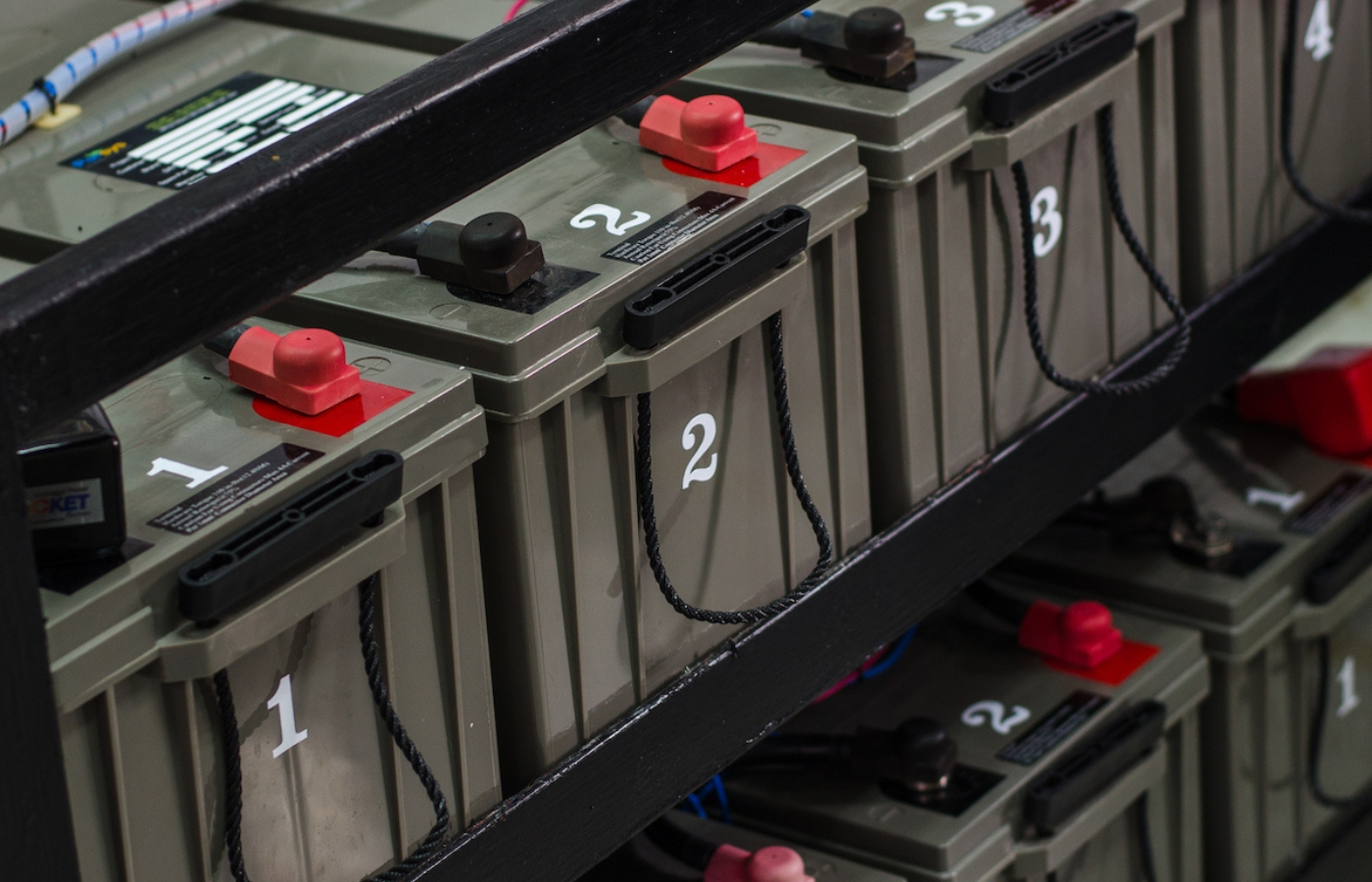
Flooded lead acid batteries are one of the oldest and most widely used rechargeable battery types. They are commonly found in vehicles, forklifts, floor scrubbers, golf carts, backup power systems, marine equipment, industrial machinery, and other applications that need dependable stored energy. (HRESYS, 2024)
Even though newer battery technologies are becoming more common, flooded lead acid batteries are still used throughout many commercial, automotive, warehouse, and industrial operations. Understanding what they are, how they work, and why they need proper recycling is important for any business that handles used batteries.
How Flooded Lead Acid Batteries Work
A flooded lead acid battery contains lead plates submerged in a liquid electrolyte made from sulfuric acid and water. This liquid electrolyte is what separates flooded batteries from sealed lead acid batteries, AGM batteries, and gel batteries.
When the battery charges and discharges, a chemical reaction takes place between the lead plates and the electrolyte. This reaction allows the battery to store and release electrical energy.
Because the electrolyte is liquid, flooded lead acid batteries must be handled carefully. If a battery is cracked, tipped, damaged, or improperly stored, acid can leak and create safety and environmental concerns.
Common Uses for Flooded Lead Acid Batteries
Flooded lead acid batteries are used in many heavy-duty and commercial applications because they are durable, rechargeable, and capable of delivering strong power.
They are often used in forklifts, pallet jacks, golf carts, boats, RVs, backup power systems, industrial equipment, and traditional automotive starting batteries. In warehouses and distribution centers, large flooded lead acid batteries are commonly used to power material handling equipment.
Many businesses rely on these batteries because they are cost-effective and proven. However, they also require proper maintenance, safe handling, and responsible end-of-life recycling.
Flooded Lead Acid vs. Sealed Lead Acid Batteries
The main difference between flooded lead acid batteries and sealed lead acid batteries is access to the electrolyte. Flooded batteries are vented and may require water maintenance during their service life. Sealed batteries, such as AGM or gel batteries, are designed to keep the electrolyte contained and usually require less maintenance.
Flooded batteries may be more vulnerable to spills if mishandled, but they are still commonly used where high power output and long service history matter. Because they contain lead and sulfuric acid, they should never be placed in regular trash or mixed with general scrap.
Why Flooded Lead Acid Batteries Should Be Recycled
Flooded lead acid battery recycling is important because these batteries contain materials that can be recovered and reused. Lead, plastic casing, and other components can often be separated through the recycling process.
Proper recycling also helps prevent acid leaks, unsafe storage, and improper disposal. Used flooded lead acid batteries should be stored upright, kept in a secure area, and protected from damage. Businesses should avoid stacking damaged batteries or allowing them to sit outdoors where weather and handling can increase the risk of leaks.
Battery Recycling & Solutions Can Help
Battery Recycling & Solutions works with businesses and organizations that need responsible battery recycling services. Whether your company manages forklift batteries, equipment batteries, automotive batteries, backup power batteries, or mixed lead acid battery waste, proper recycling helps keep hazardous materials out of the wrong waste streams.
A clear recycling plan can help businesses reduce clutter, improve workplace safety, recover valuable materials, and manage used batteries more responsibly.
Final Thoughts
Flooded lead acid batteries are reliable, powerful, and widely used across many industries. Inside each battery are lead plates and liquid electrolyte that allow the battery to store and deliver energy.
Because they contain lead and sulfuric acid, flooded lead acid batteries require careful handling and proper recycling. For businesses that generate these batteries regularly, working with a dependable battery recycling provider is the safest and most responsible way to manage them at the end of their life.