
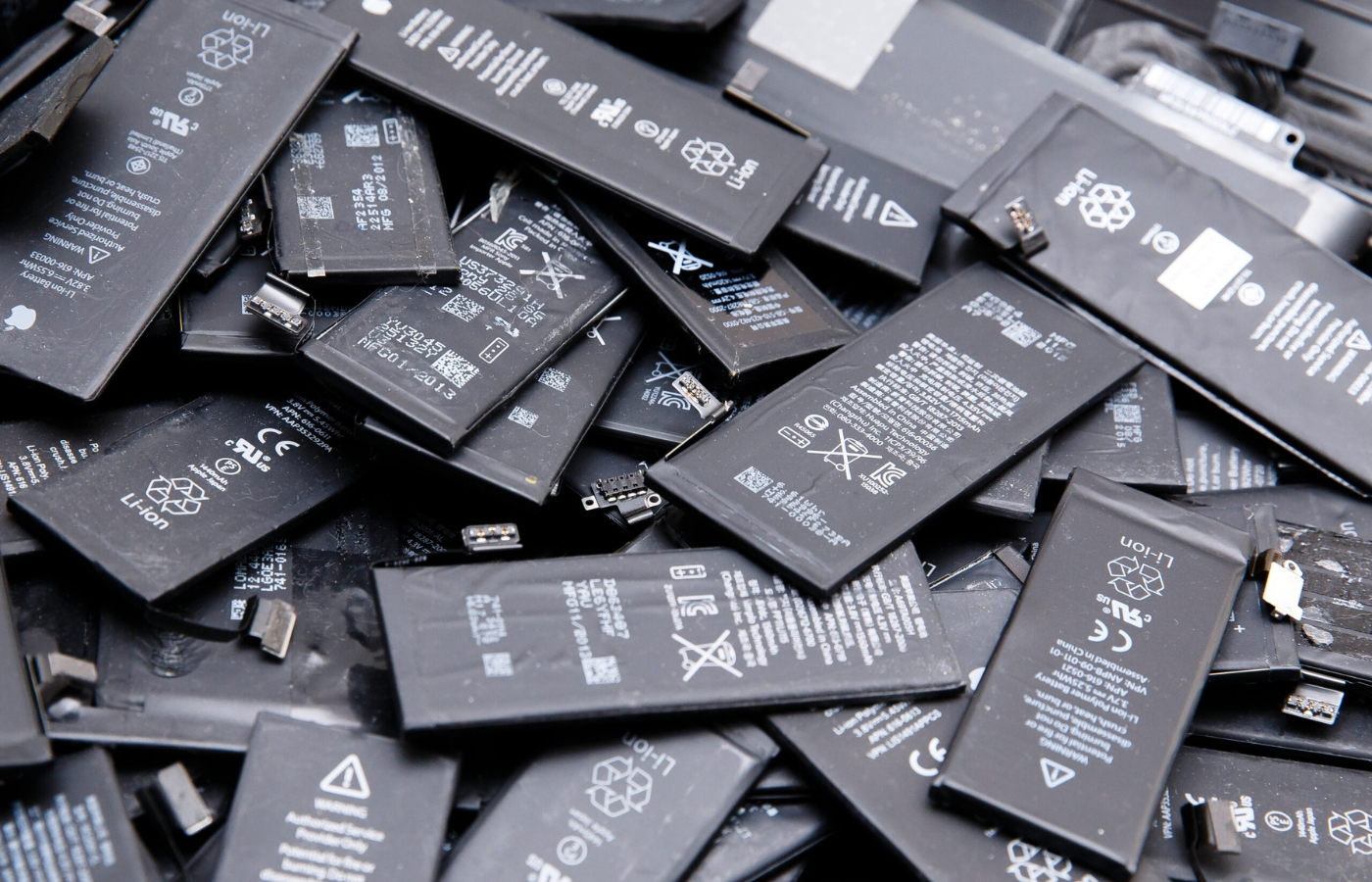
Lithium batteries are used in many of the devices, tools, and systems businesses rely on every day. They are lightweight, powerful, and able to store energy in a compact space, which makes them useful across consumer electronics, commercial equipment, industrial systems, and backup power applications.
Most people think of lithium batteries as phone or laptop batteries. But they are also found in medical devices, warehouse scanners, power tools, security systems, utility meters, e-bikes, solar battery systems, telecom equipment, and many other products.
That wide use is exactly why lithium battery recycling matters. When these batteries become damaged, outdated, or no longer hold a charge, they should be handled through a proper battery recycling process instead of being thrown into regular trash. Battery Recycling & Solutions helps businesses manage lithium batteries through pickup, sorting, and responsible recycling for commercial quantities.
What Does Lithium Battery Mean?
A lithium battery is a battery that uses lithium as part of its chemistry. Some lithium batteries are rechargeable, while others are single-use.
In simple terms:
- Lithium-ion batteries are rechargeable
- Lithium primary batteries are usually not rechargeable
- Lithium batteries are used when lightweight, long-lasting power is needed
- Different lithium chemistries are used for different applications
That distinction matters because a laptop battery is not the same as a lithium battery used in a water meter, medical device, or sensor. They may all fall under the lithium battery category, but they can have different chemistries, designs, and recycling needs.
Common Uses for Lithium Batteries
Laptops, phones, and tablets
Lithium-ion batteries are commonly used in portable electronics because they provide strong power without adding too much weight. Laptops, cell phones, tablets, and handheld business devices all depend on rechargeable lithium batteries.
These batteries eventually lose capacity, swell, fail, or get replaced during device upgrades. When that happens, they should be recycled properly.
Power tools and warehouse equipment
Many cordless tools, barcode scanners, radios, testing devices, and warehouse electronics use lithium batteries. These batteries are chosen because they can deliver dependable power in equipment that moves around the facility.
For businesses, this often creates mixed battery loads during cleanouts or equipment replacement projects.
Medical and security devices
Lithium batteries are also used in medical devices, alarms, monitoring equipment, emergency systems, access control devices, and security sensors.
These applications often need reliable power in compact equipment. When batteries are removed from service, proper sorting and recycling are important.
Utility meters and remote sensors
Many water meters, gas meters, tracking devices, and remote sensors use lithium primary batteries. These batteries are often designed for long service life and steady power output.
They are usually not rechargeable, so they need to be replaced and recycled when they reach end of life.
Solar storage and backup power
Lithium batteries are increasingly used in solar battery systems, backup power units, telecom systems, and energy storage equipment. These batteries may be much larger than the small packs found in electronics.
Large lithium battery packs require planning, careful handling, and proper recycling when removed.
Why Lithium Batteries Are So Common
Lithium batteries are popular because they solve several practical problems. They are compact, rechargeable in many cases, and able to store a strong amount of energy for their size. (ScienceDirect, 2026)
That makes them useful when equipment needs to be portable, reliable, or long-lasting. For businesses, lithium batteries help power devices that need to work without being plugged in all day.
Why Lithium Batteries Should Be Recycled
Lithium batteries should not be treated like ordinary trash. They contain stored energy and internal materials that need proper handling, especially if the battery is damaged, swollen, leaking, crushed, or overheated.
Battery recycling helps businesses:
- Keep lithium batteries out of regular waste
- Manage bulk battery loads
- Separate lithium batteries from other chemistries
- Reduce improper disposal
- Keep storage areas organized
- Route batteries through the proper recycling process
This is especially important for IT departments, warehouses, municipalities, schools, medical facilities, and commercial operations that may generate batteries in larger quantities.
How Battery Recycling & Solutions Helps
Battery Recycling & Solutions helps businesses recycle lithium batteries through pickup coordination, sorting, and responsible battery recycling support.
The company can help with lithium-ion batteries, lithium primary batteries, laptop batteries, power tool batteries, meter batteries, medical device batteries, and mixed commercial battery loads.
For businesses with old batteries sitting in storage rooms, maintenance areas, IT closets, or warehouses, Battery Recycling & Solutions provides a practical path for proper disposal and approved recycling.
Frequently Asked Questions About Lithium Battery Uses
What are lithium batteries mostly used for?
Lithium batteries are used in laptops, phones, tablets, tools, meters, sensors, medical devices, backup power systems, e-bikes, and energy storage systems.
Are all lithium batteries rechargeable?
No. Lithium-ion batteries are rechargeable, but lithium primary batteries are usually single-use.
Why do businesses use lithium batteries?
Businesses use lithium batteries because they are lightweight, reliable, compact, and useful in portable or long-life equipment.
Can lithium batteries be recycled?
Yes. Lithium batteries can be recycled through proper battery recycling programs.
Does Battery Recycling & Solutions recycle lithium batteries?
Yes. Battery Recycling & Solutions helps businesses with lithium battery recycling, pickup, sorting, and proper disposal for commercial quantities.
Final Thoughts
Lithium batteries are used in far more than phones and laptops. They power business electronics, utility equipment, medical devices, tools, sensors, backup systems, and energy storage applications.
Because they are so common, businesses need a clear plan for handling them at end of life. When lithium batteries are damaged, outdated, or no longer useful, they should be recycled instead of thrown away.
Battery Recycling & Solutions helps businesses manage lithium battery recycling, pickup, sorting, and proper disposal for commercial battery loads.