
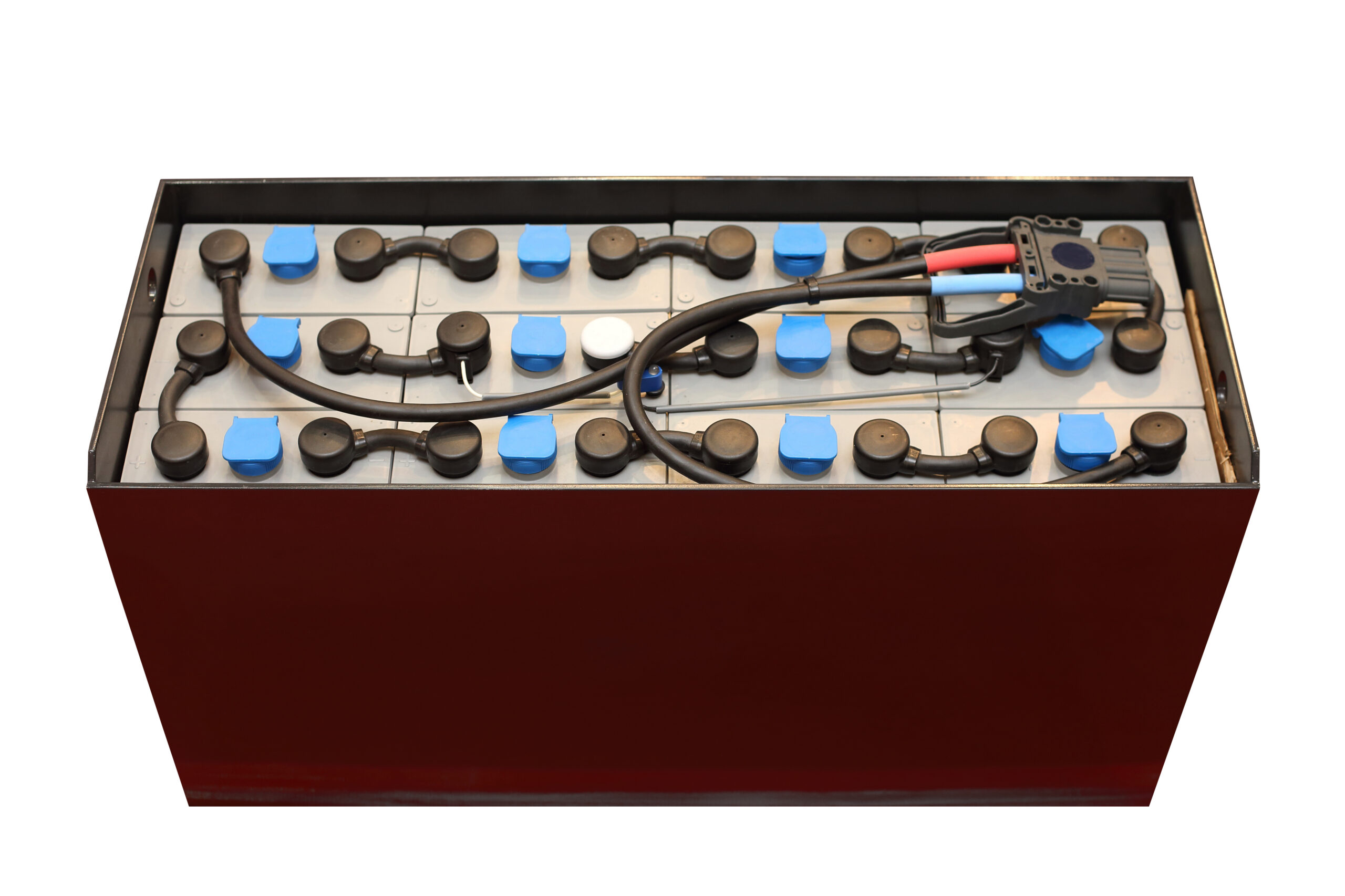
Forklift batteries are powerful, heavy, and built for demanding work environments. They keep warehouses, distribution centers, manufacturing plants, freight terminals, and industrial facilities moving every day. But when a forklift battery reaches the end of its useful life, it should not be left in a corner, stacked with scrap, or treated like ordinary waste.
Forklift battery recycling gives businesses a proper way to manage old, damaged, or replaced batteries. It helps recover useful materials, reduces clutter in storage areas, and keeps large industrial batteries moving through the right recycling process.
Battery Recycling & Solutions helps businesses manage forklift battery recycling, including pickup, sorting, and responsible handling for commercial battery loads.
What Is a Forklift Battery?
A forklift battery is a large rechargeable battery used to power electric forklifts and other material handling equipment. These batteries are much larger than standard vehicle batteries and are designed to deliver steady power over long work shifts.
Many forklift batteries are lead acid batteries. These typically contain lead plates, sulfuric acid, heavy plastic casing, terminals, and internal cells. Some newer forklifts may use lithium-ion batteries, which contain different materials and require a different recycling route.
That is why identifying the battery type is the first step before recycling.
Common Types of Forklift Batteries
Lead Acid Forklift Batteries
Lead acid forklift batteries are the most common type used in many warehouses and industrial settings. They are heavy, durable, and often used in applications where equipment runs for long periods.
Because they contain lead and acid, they should be stored upright, kept away from damage, and recycled through a proper lead acid battery recycling process.
Lithium-Ion Forklift Batteries
Lithium-ion forklift batteries are becoming more common in modern material handling operations. They are often used because they can charge faster, require less routine maintenance, and take up less space than some traditional battery systems.
However, lithium-ion forklift batteries still need careful handling at end of life, especially if they are swollen, damaged, overheated, or physically compromised.
Why Forklift Batteries Should Be Recycled
Forklift batteries contain materials that should be recovered and handled properly. Lead, plastics, lithium materials, copper, steel, and other components may be routed into recycling channels instead of sitting unused in a facility.
Proper forklift battery recycling helps businesses:
- Clear out old warehouse batteries
- Reduce improper disposal
- Separate damaged batteries from working equipment
- Recover useful battery materials
- Keep battery storage areas cleaner and safer
- Create a more organized disposal process
For businesses with multiple forklifts, batteries can build up quickly during equipment upgrades, fleet replacements, or warehouse cleanouts.
How to Store Forklift Batteries Before Recycling
Used forklift batteries should be stored in a dry, controlled area where they will not be crushed, tipped, punctured, or exposed to heat or water. Lead acid forklift batteries should usually remain upright to help prevent leaks or spills.
Do not stack damaged batteries with intact batteries. Do not place them in areas where forklifts, pallet jacks, or heavy equipment may strike them. If a battery is cracked, leaking, corroded, swollen, burned, or unusually hot, keep it separate and avoid unnecessary handling.
It also helps to label batteries by type and condition before pickup.
How Battery Recycling & Solutions Helps
Battery Recycling & Solutions helps businesses manage forklift battery recycling for commercial and industrial quantities. This can include lead acid forklift batteries, lithium-ion forklift batteries, damaged batteries, outdated batteries, and mixed battery loads from warehouses, plants, distribution centers, and equipment yards.
For businesses with old forklift batteries sitting in storage, Battery Recycling & Solutions provides a practical path for pickup, sorting, and proper recycling.
Frequently Asked Questions About Forklift Battery Recycling
Can forklift batteries be recycled?
Yes. Forklift batteries can be recycled through the proper battery recycling process.
What type of battery is used in a forklift?
Many forklifts use lead acid batteries, but some newer models use lithium-ion batteries.
Can forklift batteries go in the trash?
No. Forklift batteries should not be thrown into regular trash or mixed with general waste.
What should I do with a leaking forklift battery?
Keep it separate, avoid direct contact with leaking material, and arrange proper handling before moving it.
Final Thoughts
Forklift batteries are large, heavy, and valuable from a recycling standpoint. Whether they are lead acid or lithium-ion, they should be handled with care and recycled properly when they reach end of life.
A clear process helps businesses reduce clutter, improve battery storage, and keep industrial batteries moving through the right recycling channel. Battery Recycling & Solutions helps businesses manage forklift battery recycling, pickup, sorting, and proper disposal for commercial battery loads.