
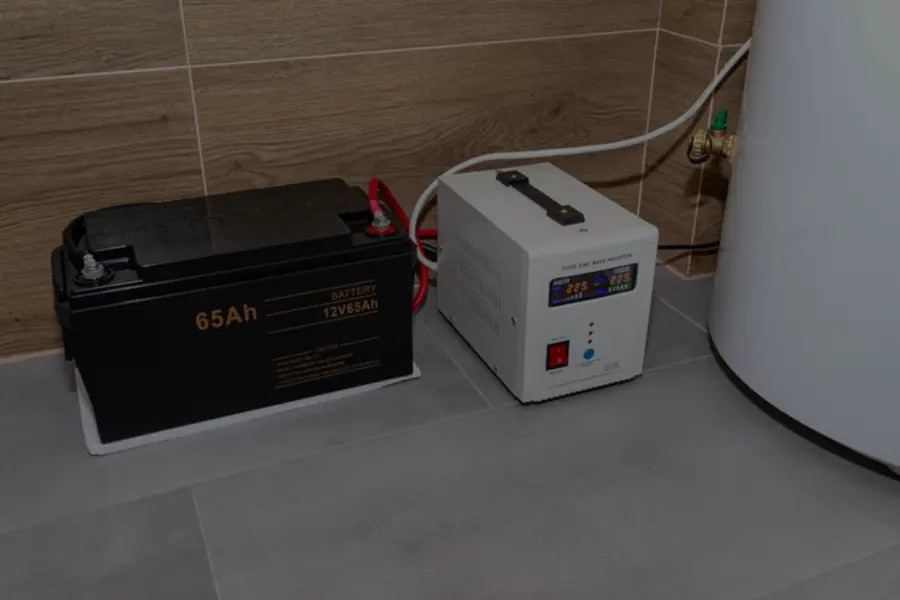
Marine battery recycling gives boat owners, marinas, repair facilities, and marine businesses a practical way to manage batteries once they reach the end of their useful life. Whether a battery powers a recreational boat, fishing vessel, commercial vessel, trolling motor, or onboard electrical system, it will eventually need to be replaced.
Old marine batteries should not be thrown in the trash or left sitting indefinitely in a garage, storage area, marina, or maintenance facility. They should be directed into an appropriate battery recycling stream based on the type of battery and its condition.
Marine batteries can use several different battery chemistries, so the right recycling option can vary. Battery Recycling and Solutions provides battery recycling services for individual batteries, bulk quantities, and businesses that generate used batteries on an ongoing basis.
Quick Answer: How Can You Recycle a Marine Battery?
Yes. Marine batteries can be recycled through several options depending on the battery type, quantity, condition, and location.
For smaller quantities, a battery drop off or qualifying retailer take back program may be appropriate. Businesses and organizations managing larger quantities can arrange battery pickups or use dedicated battery recycling containers.
Battery Pickups
Battery pickup is typically the better option when several marine batteries need to be recycled at once.
This can work well for marinas, boat dealerships, repair facilities, fleet operators, commercial marine operations, and other organizations that regularly replace or accumulate batteries.
Scheduled pickups can also be used for recurring battery recycling needs.
Battery Drop Offs
Drop offs can make sense for an individual marine battery or a small number of batteries that can be transported appropriately.
Before transporting the battery, confirm that the recycling location accepts the specific battery chemistry and quantity you have.
Battery Recycling Containers
Businesses that regularly generate used batteries may benefit from a dedicated recycling container.
Battery Recycling and Solutions can provide battery recycling containers for facilities that want a consistent way to collect and manage batteries before recycling.
What is a Marine Battery?
A marine battery is a battery designed or selected to provide power aboard a boat or other marine vessel.
The term “marine battery” describes the battery’s application rather than one specific chemistry. Depending on how the battery is being used, a boat may have one battery for starting the engine and another battery or battery bank for operating trolling motors, electronics, pumps, lights, and other onboard equipment.
Marine batteries generally fall into three main application categories.
Starting Batteries
A marine starting battery is designed to deliver a large amount of power over a short period.
Its primary job is to provide the burst of electrical current needed to start the boat’s engine. Once the engine is running, the charging system helps replenish the battery.
Starting batteries are built for repeated engine starts rather than providing continuous power for onboard equipment over long periods.
Deep Cycle Marine Batteries
Deep cycle batteries are designed to provide power over a longer period and tolerate repeated charging and discharging.
They are commonly used for equipment such as:
- Trolling motors
- Navigation electronics
- Fish finders
- Lights
- Pumps
- Audio equipment
- Other onboard electrical systems
Some boats use multiple deep cycle batteries together when more stored power is needed.
Dual Purpose Marine Batteries
Dual purpose marine batteries are designed to handle aspects of both engine starting and deep cycle use.
They can provide enough power to start an engine while also supporting certain onboard electrical loads.
A dual purpose battery can be useful when space is limited or when a boat does not require separate starting and deep cycle battery systems.
What Type of Battery Is a Marine Battery?
There is no single chemistry used for every marine battery.
Marine batteries may use flooded lead acid, AGM, gel, lithium, or other battery technologies depending on the boat, application, power requirements, and battery system.
That distinction matters when it is time to recycle the battery because different chemistries can require different handling, transportation, and recycling processes.
Flooded Lead Acid Marine Batteries
Flooded lead acid batteries have traditionally been widely used in marine applications.
These batteries contain lead plates and a liquid electrolyte. They may be used as starting batteries, deep cycle batteries, or in other marine power applications depending on their design.
When a flooded lead acid marine battery reaches the end of its useful life, it should be kept intact and directed into an appropriate lead acid battery recycling stream.
AGM and Gel Marine Batteries
AGM and gel batteries are also forms of lead acid batteries, but their internal construction differs from traditional flooded batteries.
AGM batteries use an absorbent glass mat to hold the electrolyte, while gel batteries use a gelled electrolyte. Both designs are used in marine applications because they can provide dependable power in configurations where a sealed battery design is preferred.
Battery Recycling and Solutions already provides dedicated recycling information for both AGM batteries and gel batteries.
Lithium Marine Batteries
Lithium batteries are also used in modern marine power systems, particularly for deep cycle applications, trolling motors, and onboard electrical equipment.
Lithium iron phosphate, commonly referred to as LiFePO4, is one chemistry used in marine battery systems because it can provide repeated deep cycle operation while offering a different performance profile from traditional lead acid batteries.
Lithium marine batteries should be identified and kept separate from lead acid batteries when preparing them for recycling.
Marine Battery Recycling Options
The best recycling method depends largely on how many marine batteries you have, what chemistry they use, and whether you are managing a one time replacement or an ongoing stream of batteries.
Individual boat owners may only need a nearby drop off option. A marina or commercial marine operation replacing batteries throughout the year may need something more structured.
Marine Battery Drop Off
Dropping off a marine battery can be a practical option when you only have one battery or a small quantity.
Before transporting the battery, confirm that the destination accepts the type of battery you have. A facility that accepts traditional lead acid marine batteries, for example, may have different requirements for lithium batteries.
It is also worth confirming:
- Which battery chemistries are accepted
- Whether there are quantity limits
- Whether damaged batteries are accepted
- How the battery should be prepared for transportation
Keep the battery secured during transportation so it cannot shift, fall over, or come into contact with other objects.
Calling ahead can save time, particularly when recycling lithium batteries, damaged batteries, or anything outside a standard lead acid marine battery.
Bulk Marine Battery Pickup
Pickup becomes much more practical when multiple marine batteries are being replaced or accumulated.
Organizations that may need bulk marine battery recycling include:
- Marinas
- Boat dealerships
- Marine repair shops
- Boat rental businesses
- Fleet operators
- Municipal marine departments
- Commercial vessel operators
Instead of transporting batteries individually, these organizations can consolidate batteries and arrange collection based on the quantity, chemistry, condition, and location.
Pickup can also be useful during larger projects such as marina cleanouts, fleet battery replacements, boat refurbishment projects, or the replacement of several battery banks at once.
For businesses that generate batteries throughout the year, pickups can also be scheduled as part of an ongoing recycling program rather than arranging a new solution every time batteries accumulate.
Retail Battery Take Back Programs
Some battery retailers, automotive stores, marine supply businesses, and other retailers may accept certain used marine batteries through take back programs.
These programs can be convenient for an individual boat owner replacing a common lead acid marine battery.
However, acceptance varies considerably.
A retailer may accept one type of lead acid battery but not a lithium marine battery. Some locations may also limit the number of batteries accepted or only offer take back when a replacement battery is purchased.
Before transporting an old marine battery to a retailer, confirm the specific store’s policy.
Ask whether they accept your battery chemistry, whether there are quantity limits, and whether any preparation is required. This is especially important for lithium batteries, damaged batteries, or larger quantities from commercial marine operations.
How to Recycle a Marine Battery
Recycling a marine battery does not need to be complicated. The main thing is to identify what you have, check its condition, and choose the right recycling option.
1. Identify the Marine Battery Type
Start by checking the battery label.
Look for terms such as:
- Lead acid
- AGM
- Gel
- Lithium ion
- LiFePO4
The battery chemistry matters because different battery types can have different handling and recycling requirements.
2. Inspect the Battery
Before moving the battery, check for obvious damage.
Look for:
- Leaking
- Swelling
- Cracked casing
- Corrosion
- Other visible damage
A damaged battery may require different handling than a standard used battery, so tell the recycler about its condition before transporting it.
3. Protect the Battery for Storage and Transport
Keep the battery secure and upright where appropriate.
Protect exposed terminals when necessary, prevent the battery from moving around during transport, and keep different battery chemistries organized rather than mixing everything together.
The goal is simply to prevent damage and reduce the chance of terminals contacting other objects.
4. Choose a Recycling Option
The right option usually comes down to quantity.
One or a few batteries: Use an appropriate drop off location or retailer take back program.
Multiple batteries: Arrange a scheduled battery pickup.
Ongoing battery generation: Consider a battery recycling container program.
Marinas, repair facilities, dealerships, and other businesses that replace marine batteries regularly may find pickup or container programs more practical than transporting batteries individually.
5. Arrange Recycling
When contacting a recycler, have a few basic details ready:
- Battery type
- Approximate quantity
- Battery condition
- Location
- Whether the need is one time or recurring
Providing this information helps determine the most appropriate recycling option.
Frequently Asked Questions About Marine Battery Recycling
Can Marine Batteries Be Recycled?
Yes. Marine batteries can generally be recycled.
The appropriate recycling route depends on factors such as the battery chemistry, condition, quantity, and where the battery is located.
Are Marine Batteries Lead Acid Batteries?
Many marine batteries are lead acid batteries, but not all of them.
Marine batteries can include flooded lead acid, AGM, gel, lithium ion, and LiFePO4 batteries. The type depends on the boat and how the battery is being used.
Can Lithium Marine Batteries Be Recycled?
Yes. Lithium marine batteries can be recycled, but they should be directed into an appropriate lithium battery recycling stream.
Identifying the specific battery chemistry before recycling is important, particularly with lithium based marine batteries.
Where Can I Recycle an Old Boat Battery?
Options may include battery recycling companies, appropriate drop off locations, retailer take back programs, and commercial pickup services.
Availability depends on the battery type and your location, so confirm acceptance before transporting the battery.
Can Marinas Recycle Marine Batteries in Bulk?
Yes. Marinas and other marine businesses that accumulate multiple batteries can arrange bulk battery pickups.
Businesses that generate batteries regularly may also use recurring pickup schedules or battery recycling container programs.
Conclusion: Recycle Marine Batteries Properly
Marine batteries come in several designs and chemistries, but they should all be directed into an appropriate recycling stream once they reach the end of use. For an individual battery, a drop off location or applicable retailer program may be enough. Larger quantities are often better suited for scheduled pickup.
Battery Recycling and Solutions provides battery recycling services for marine batteries and other battery types, with drop offs, pickups, and ongoing recycling programs available depending on your needs.