
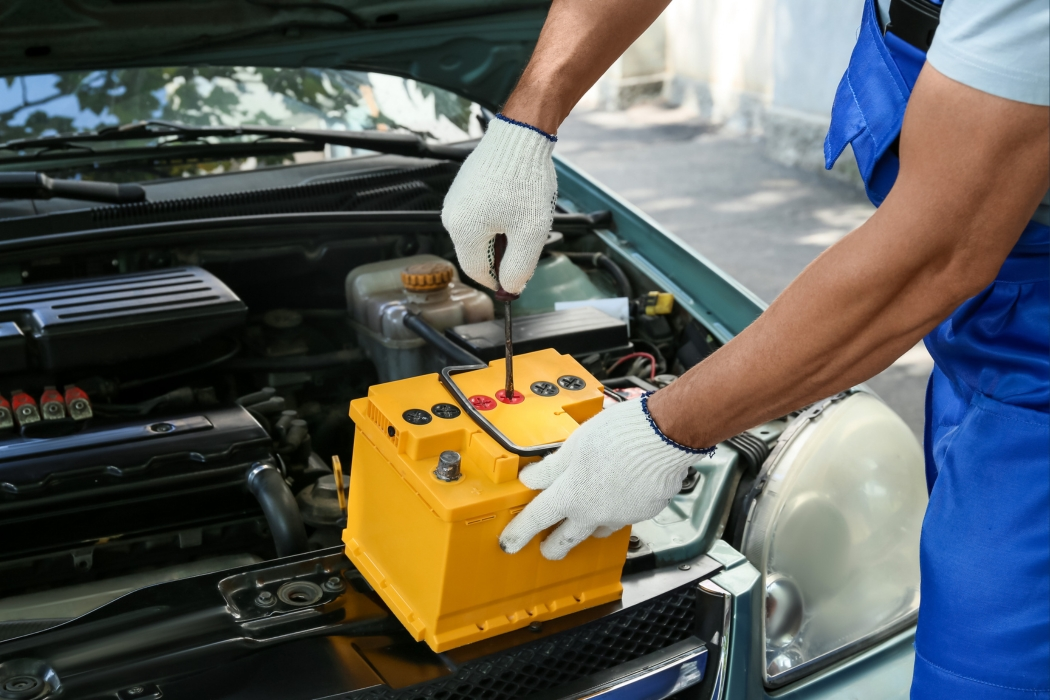
Most car batteries last 3–5 years. That’s the honest baseline most drivers can expect.
But here’s the reality: some die in 2 years, while others push 5–6+ years depending on how the car is used, where it’s driven, and how well it’s maintained. And let’s be real — it always dies at the worst possible time.
If your battery is getting close to that range, our car battery recycling services make it easy to safely remove and dispose of it when you upgrade.
The Real Answer: Why Battery Life Isn’t Exact
There’s no fixed expiration date on a car battery.
Batteries don’t just suddenly fail out of nowhere — they gradually lose performance over time. Every start, every drive, every temperature change slowly wears them down.
What really determines how long a battery lasts is how it’s used:
- How often you drive
- How far you drive
- How well the charging system works
That’s why two identical cars can have completely different battery lifespans.
Average Car Battery Life (What Most Drivers Can Expect)
Here’s a simple way to think about it:
- Typical lifespan: 3–4 years
- Best-case scenario: 5–6 years
- Worst-case scenario: 1–2 years
Most drivers fall right in that middle range. Once you get past the 3-year mark, you’re entering the window where failure becomes much more likely.
What Affects How Long a Car Battery Lasts
Driving Habits
How you drive matters more than most people think.
- Short trips: The battery doesn’t fully recharge
- Long drives: Gives the alternator time to recharge it
- Sitting unused: Battery slowly drains on its own
If your car sits a lot or only gets quick trips, your battery will wear out faster.
Climate and Temperature
Temperature has a huge impact on battery life.
- Heat: Speeds up internal chemical breakdown
- Cold: Reduces power and makes starting harder
Hot climates tend to shorten battery lifespan the most, even though cold weather is when failures are more noticeable.
Battery Usage and Accessories
Your battery is meant to start your car — not power everything while the engine is off.
- Leaving lights on
- Running electronics without the engine
- Sitting in the car with AC or radio on
All of this drains the battery and shortens its life over time.
Vehicle & Charging System Health
Your battery depends on your car’s charging system to stay healthy.
- Bad alternator: Battery doesn’t recharge properly
- Overcharging: Damages internal components
- Electrical strain: Wears the battery down faster
If something in the system is off, even a new battery won’t last long.
Vibration and Installation
This one gets overlooked, but it matters.
- A loose battery can shake and damage internal components
- Poor mounting leads to faster wear and failure
A properly secured battery lasts longer. A loose one doesn’t stand a chance.
Signs Your Car Battery Is Dying
Your battery usually gives you warning signs before it completely fails. The key is knowing what to look for.
- Slow engine crank: The engine takes longer to turn over
- Dim headlights or electronics: Lights look weaker than usual
- Clicking sound when starting: Not enough power to start the engine
- Dashboard warning light: Battery or charging system alert
- Corrosion or swelling: Visible damage on the battery
If you’re seeing even one or two of these, your battery is on its way out.
How to Make Your Car Battery Last Longer
Drive your car regularly
Batteries recharge while you drive. Letting your car sit for long periods drains it.
Avoid short trips only
Short drives don’t give the battery enough time to fully recharge. Try to mix in longer drives when possible.
Keep terminals clean
Corrosion on battery terminals can block proper electrical flow. Keeping them clean helps maintain performance.
Secure the battery properly
A loose battery can vibrate and break down internally. Make sure it’s mounted tightly.
Get it tested after year 3
Once your battery hits the 3-year mark, test it annually. This helps you catch problems before it fails.
When Should You Replace Your Battery?
- Around year 3–4: Start planning a replacement
- Immediately if showing signs: Don’t wait if performance drops
- Before extreme weather: Replace before winter or peak summer
Being proactive here can save you from getting stuck at the worst time.
What Happens If You Wait Too Long
Waiting too long almost always ends the same way.
- Unexpected breakdown: Car won’t start when you need it
- Stranded vehicle: At home, at work, or worse — somewhere inconvenient
- Potential damage to other systems: Strain on starter and electrical components
- Higher inconvenience cost: Towing, missed time, stress
This is why replacing early is almost always the better move.
What To Do With Your Old Car Battery
Never throw in trash
Car batteries should never be thrown away with regular waste.
Contains lead + acid
They contain hazardous materials that can harm the environment and pose safety risks.
Requires proper handling
Batteries need to be handled, stored, and transported correctly to avoid leaks or damage.
Recycling is required / recommended
Proper recycling ensures materials are safely processed and reused, instead of causing harm.
Quick Summary: Car Battery Lifespan
- Most car batteries last 3–5 years
- Lifespan depends on usage, climate, and maintenance
- Watch for warning signs before failure
- Replace your battery before it leaves you stranded
Conclusion
Car batteries don’t fail randomly — they wear down over time. The more you understand the signs and the factors that affect lifespan, the easier it is to stay ahead of problems.
If you’re replacing a battery, our car battery recycling services handle pickup and proper disposal so you can upgrade safely without the hassle.