
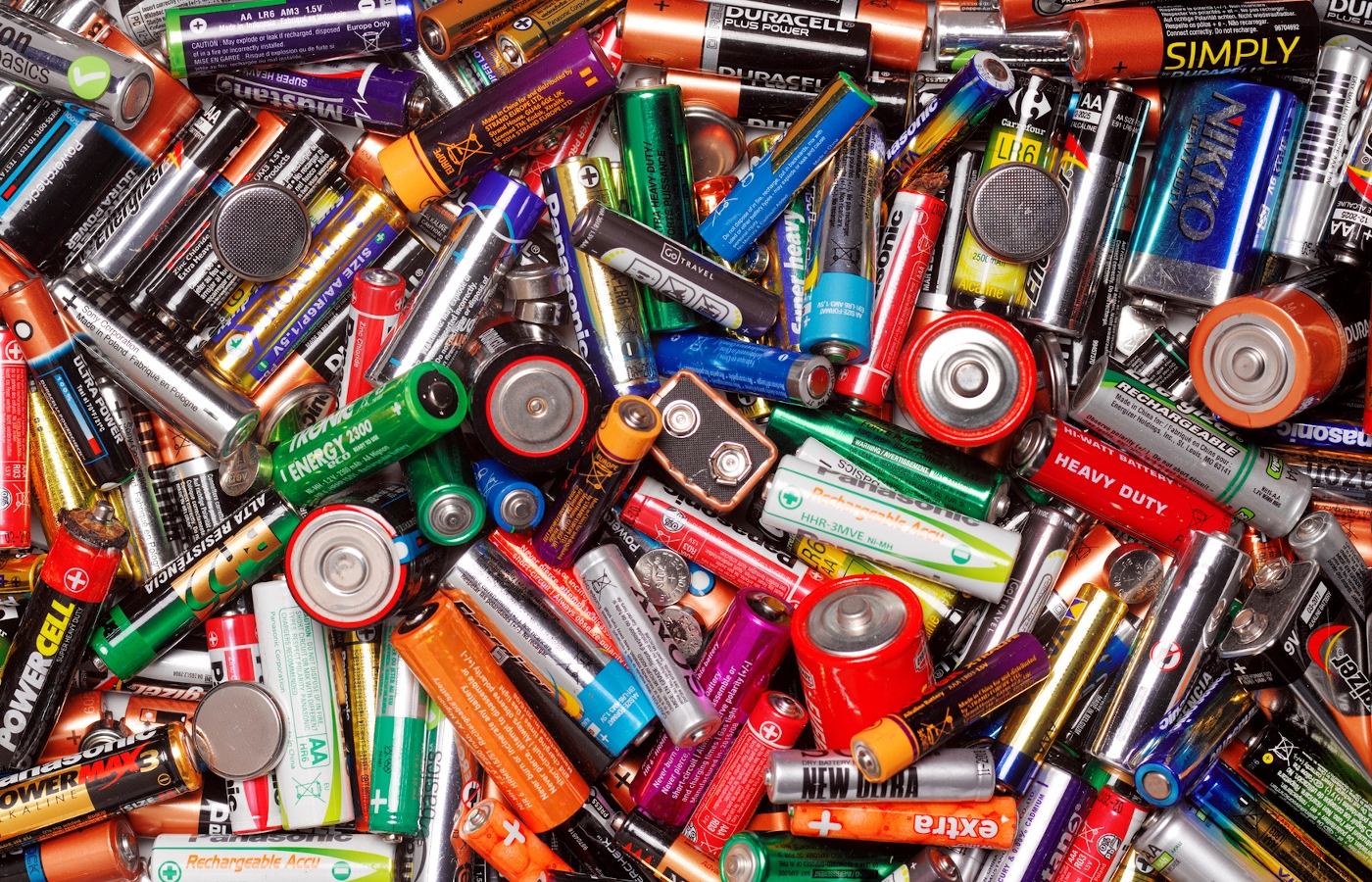
Batteries may look like simple products, but they do not last forever. Whether they are sitting in a drawer, installed in equipment, stored in a warehouse, or used every day, batteries slowly age over time.
So, do batteries expire?
Yes, batteries can expire. Some batteries have printed expiration dates, while others simply lose performance as they age. An expired battery may still work, but it may not hold power as well, last as long, or perform safely in the device it was made for.
For businesses, schools, municipalities, warehouses, medical facilities, IT departments, and maintenance teams, understanding battery expiration is important. Old batteries can pile up quickly, and without a clear plan, they often end up forgotten in closets, cabinets, toolboxes, and storage rooms.
What Does Battery Expiration Mean?
A battery expiration date does not always mean the battery is completely dead. It usually means the manufacturer expects the battery to perform best before that date.
Over time, batteries can lose charge, dry out internally, corrode, leak, swell, or become less reliable. This can happen even if the battery was never used.
Battery life depends on several factors, including:
- Battery chemistry
- Storage temperature
- Humidity
- Age
- Device usage
- Charging habits
- Physical condition
A battery stored in a cool, dry area may last much longer than one stored in heat, moisture, or direct sunlight.
Which Batteries Expire?
Most battery types can expire or degrade over time.
Alkaline batteries often have long shelf lives, but they can still leak or lose strength as they age. Lithium-ion batteries, such as laptop batteries, power tool batteries, phone batteries, and rechargeable packs, gradually lose capacity with use and time. Lead acid batteries can weaken if they sit discharged for too long. NiCad and NiMH batteries can also lose performance after repeated use or long storage periods.
Even specialty batteries, such as lithium primary batteries, button cells, UPS batteries, and equipment batteries, should be checked regularly if they are stored for backup or emergency use.
Signs a Battery May Be Expired or Failing
Sometimes the expiration date is obvious. Other times, the battery gives warning signs.
Common signs include:
- The battery will not hold a charge
- The device runs for a much shorter time
- Corrosion around the terminals
- Leaking or crusty residue
- Swelling or bulging
- Cracks or damaged casing
- Unusual heat during use or charging
- A battery that no longer powers equipment reliably
If a battery is swollen, leaking, cracked, burned, or unusually hot, it should be handled carefully and kept separate from normal used batteries.
Why Expired Batteries Should Not Be Ignored
Expired batteries can become a storage problem. They may sit in drawers, IT rooms, maintenance areas, warehouses, or equipment closets for years. Over time, this can create clutter and make it harder to separate good batteries from bad ones.
Old batteries can also become mixed with different chemistries. That makes recycling more difficult and can create handling concerns, especially when lithium batteries, lead acid batteries, and damaged batteries are stored together.
The best approach is to review batteries regularly, remove expired or failing units, and recycle them through the proper battery recycling process.
How Businesses Should Manage Expired Batteries
Start by creating one clear collection area for used or expired batteries. Keep the area dry, labeled, and away from heat or heavy traffic.
Separate batteries by type when possible. Keep damaged batteries apart from intact batteries. Do not throw loose batteries into random boxes with scrap metal, tools, wires, or electronics.
For larger quantities, businesses should keep basic records of what battery types are being collected and how often they build up. This makes it easier to schedule recycling and avoid long-term storage.
How Battery Recycling & Solutions Helps
Battery Recycling & Solutions helps businesses manage expired, used, damaged, and end-of-life batteries. This can include lithium-ion batteries, lead acid batteries, alkaline batteries, NiCad batteries, NiMH batteries, UPS batteries, laptop batteries, power tool batteries, button cells, and mixed battery loads.
For commercial locations with batteries sitting in storage, Battery Recycling & Solutions provides a practical path for sorting, pickup, and proper battery recycling.
Frequently Asked Questions About Battery Expiration
Can you use a battery after the expiration date?
Sometimes, yes. A battery may still work after its printed date, but performance may be weaker or less reliable.
Do rechargeable batteries expire?
Yes. Rechargeable batteries lose capacity over time, even when they are not used often.
Should expired batteries go in the trash?
No. Expired batteries should be collected and recycled through the proper battery recycling process.
What should I do with leaking or swollen batteries?
Keep them separate, avoid direct handling, and do not place them with normal used batteries.
Final Thoughts
Batteries do expire, but expiration does not always mean instant failure. It usually means the battery is aging, losing performance, or becoming less reliable.
The best approach is simple: check stored batteries regularly, remove expired or damaged units, keep batteries organized by type, and recycle them properly. This helps reduce clutter, improve safety, and keep end-of-life batteries moving through the right recycling channel.