
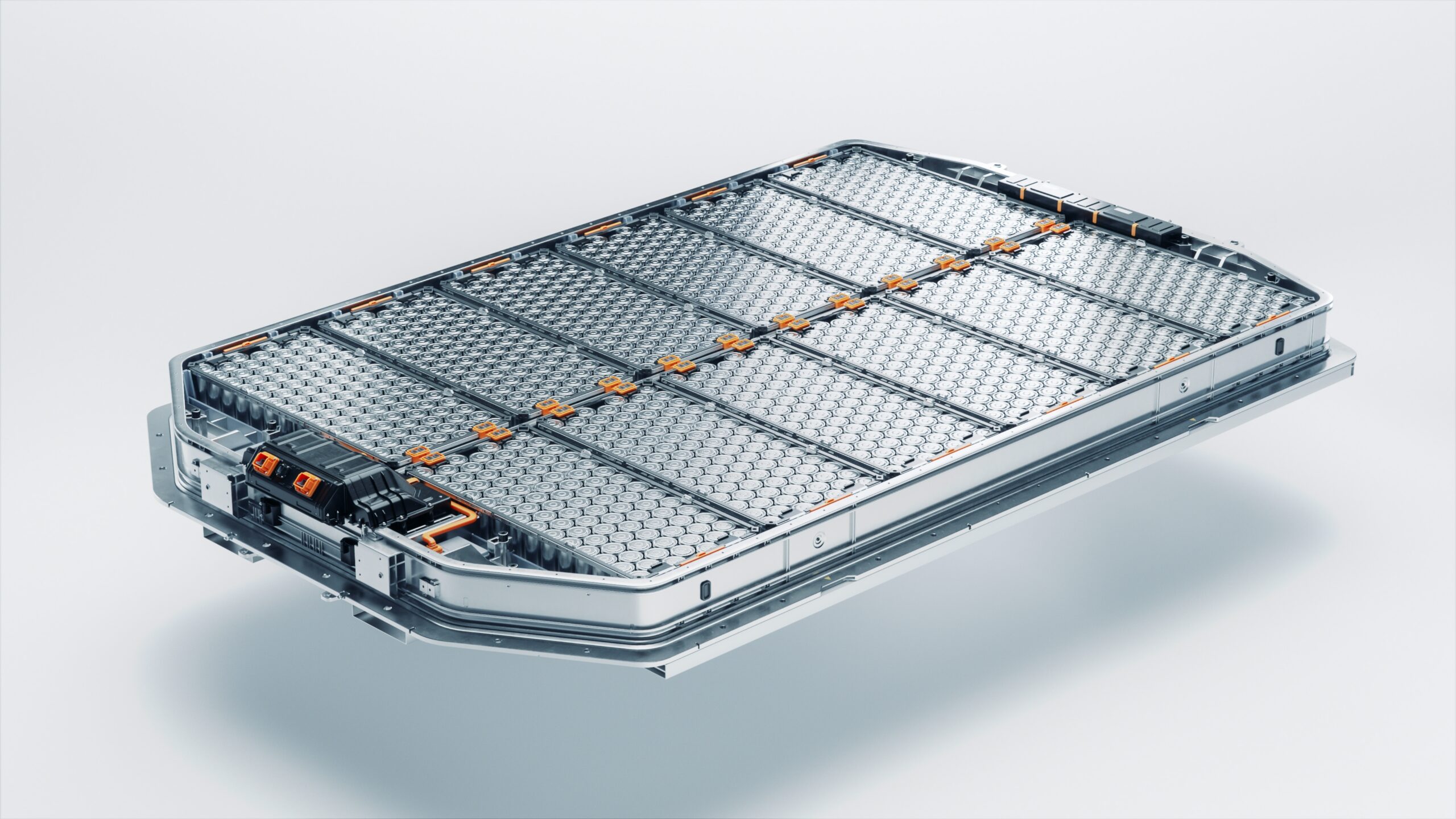
Electric vehicle batteries are built for long-term performance, but they do not last forever. Over time, an EV battery may lose capacity, become damaged, or reach a point where it no longer makes sense to repair or reuse it.
When that happens, proper disposal matters.
An electric vehicle battery is not regular waste. It is a large, high-energy battery pack made from valuable materials, electrical components, wiring, casing, cooling parts, and battery cells. Because of its size and stored energy, it should be handled through a controlled battery recycling and disposal process.
Battery Recycling & Solutions helps businesses, auto shops, fleets, dealerships, municipalities, and commercial facilities manage electric vehicle battery disposal, recycling, pickup, and responsible end-of-life handling.
What Is an Electric Vehicle Battery?
Most electric vehicles use lithium-ion battery packs. These packs are made from many smaller cells grouped into modules and protected inside a larger battery system.
An EV battery may contain lithium, nickel, cobalt, manganese, iron phosphate, graphite, copper, aluminum, steel, plastics, electrolyte, wiring, and battery management electronics. The exact materials depend on the battery chemistry and vehicle design.
Some EV batteries are designed for high range. Others are designed for durability, lower cost, or faster charging. That is why identifying the battery type is an important first step before disposal.
Why EV Battery Disposal Requires Care
Electric vehicle batteries are much larger and more complex than standard consumer batteries. Even when a battery no longer powers a vehicle properly, it may still hold energy.
Improper handling can create problems if the battery is crushed, punctured, exposed to water, overheated, or stored without a plan. Damaged EV batteries need even more attention, especially if they have been involved in a crash, fire, flood, or physical impact.
Proper EV battery disposal helps:
- Keep large batteries out of regular waste streams
- Recover useful battery materials
- Reduce unsafe storage practices
- Separate damaged batteries from intact batteries
- Support responsible recycling and material recovery
- Create a clear process for businesses managing end-of-life batteries
Can EV Batteries Be Reused Before Recycling?
Not every electric vehicle battery goes directly to recycling. Some batteries may be evaluated for repair, refurbishment, or second-life use.
For example, a battery that no longer performs well in a vehicle may still have enough capacity for another application, such as stationary energy storage. However, batteries that are damaged, unsafe, heavily degraded, or no longer practical for reuse usually move toward recycling.
The right path depends on the battery’s condition, chemistry, age, and overall safety.
How to Store EV Batteries Before Disposal
EV batteries should be stored in a dry, controlled area away from heat, water, heavy traffic, and physical damage. They should not be stacked carelessly, punctured, opened, crushed, or moved without planning.
If the battery is damaged, swollen, leaking, burned, or unusually hot, it should be kept separate from other batteries and handled with extra caution.
Businesses should avoid leaving EV batteries in storage for long periods without a disposal plan. The longer batteries sit, the easier it is for labels, records, and condition details to get lost.
How Battery Recycling & Solutions Helps
Battery Recycling & Solutions helps businesses manage electric vehicle battery disposal and recycling for commercial quantities. This can include EV battery packs, hybrid vehicle batteries, lithium-ion battery modules, damaged batteries, and mixed battery loads from automotive, fleet, municipal, and industrial operations.
For businesses with EV batteries sitting in shops, yards, storage areas, or maintenance facilities, Battery Recycling & Solutions provides a practical path for pickup, sorting, and proper recycling.
Frequently Asked Questions About EV Battery Disposal
Can electric vehicle batteries be recycled?
Yes. Electric vehicle batteries can be recycled through the proper battery recycling process.
Can EV batteries go in the trash?
No. EV batteries should not be thrown into regular trash or handled like ordinary scrap.
Are damaged EV batteries dangerous?
They can be. Damaged EV batteries should be separated, stored carefully, and handled by qualified professionals.
What materials can be recovered from EV batteries?
Depending on the chemistry, EV batteries may contain lithium, nickel, cobalt, manganese, copper, aluminum, steel, graphite, plastics, and other recoverable materials.
Final Thoughts
Electric vehicle battery disposal should be handled with planning, care, and the right recycling process. These batteries are large, complex, and made from materials that should not be wasted or managed casually.
The best approach is simple: identify the battery type, check its condition, store it safely, separate damaged units, and arrange proper recycling. Battery Recycling & Solutions helps businesses create a cleaner, more responsible path for electric vehicle battery disposal and recycling.

Follow Our Socials