
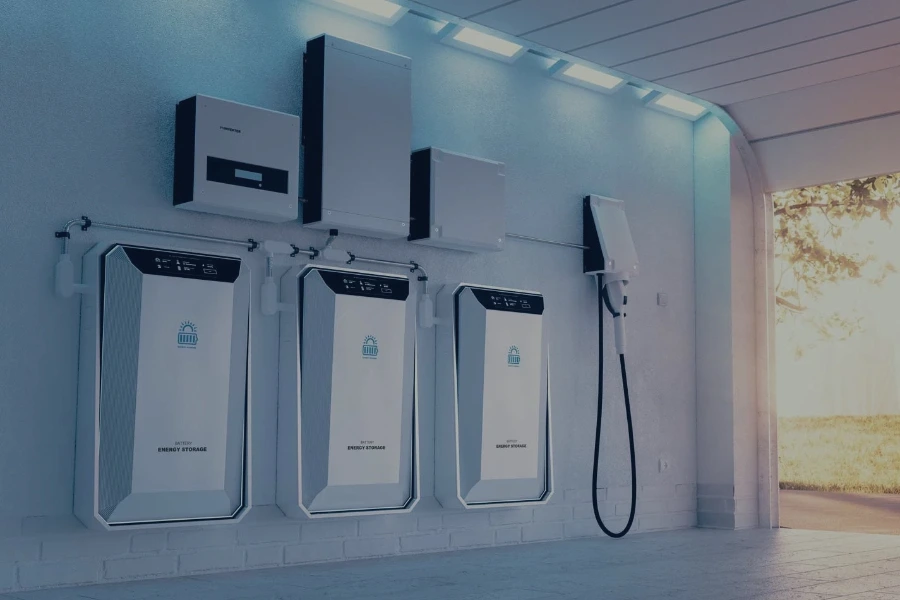
Solar battery systems store electricity generated by solar panels so it can be used later, such as at night, during periods of lower solar production, or as backup power. Like other rechargeable batteries, however, solar batteries eventually lose capacity or reach the end of their useful life and need an appropriate end-of-life plan.
Solar batteries are not all built the same. Systems may use lithium-ion, lithium iron phosphate (LFP), lead-acid, or other battery chemistries, and the correct recycling process depends on the battery type, size, condition, and system it came from.
Battery Recycling and Solutions is a battery recycling company that works with businesses, solar installers, contractors, facilities, and other organizations managing used solar batteries.
Quick Answer: How to Recycle Solar Batteries
Solar batteries should be sent to an appropriate battery recycling program rather than placed in ordinary trash or mixed recycling.
Battery Recycling and Solutions offers several options depending on the quantity, battery type, and location:
- Battery recycling pickups
- Battery drop-offs
- Battery recycling containers
Schedule a Solar Battery Recycling Pickup
A pickup can be a practical option for organizations managing larger quantities of solar batteries, including:
- Solar installers
- Commercial properties
- Warehouses
- Energy companies
- Contractors
- Businesses replacing multiple battery systems
Pickups can be coordinated based on the battery chemistry, quantity, dimensions, weight, condition, and location. Providing this information in advance helps determine the appropriate handling and transportation requirements.
Drop Off Solar Batteries
Battery Recycling and Solutions can also accept approved solar batteries through its drop-off options.
Before bringing batteries in, confirm the chemistry, quantity, size, and condition with our team. This is especially important for large-format batteries or batteries that are damaged, swollen, leaking, burned, or otherwise compromised.
Use a Battery Recycling Container
Battery recycling containers can be useful for businesses and organizations that accumulate approved batteries over time.
The right container depends on factors such as battery chemistry, size, quantity, and condition. Lithium batteries, lead-acid batteries, and damaged batteries may require different storage or handling arrangements, so the container setup should be confirmed before batteries are placed inside.
What is a Solar Battery?
A solar battery stores electricity produced by a solar energy system so that power can be used later instead of immediately.
For example, a solar battery may store electricity generated during the day and provide that power in the evening. Batteries can also be incorporated into backup power systems, off-grid installations, and larger commercial energy storage projects.
Common Types of Solar Batteries
Solar energy storage systems can use several different battery chemistries.
- Lithium-ion batteries are widely used in modern residential and commercial energy storage systems because of their energy density, rechargeable design, and ability to support repeated cycling.
- Lithium iron phosphate (LFP) batteries are a type of lithium-ion battery chemistry increasingly used in stationary energy storage systems.
- Lead-acid batteries have a long history in backup power, off-grid solar, and other energy storage applications.
Other battery chemistries may also be used depending on the age, manufacturer, and design of the energy storage system.
Where Solar Batteries Are Used
Solar batteries can be found in:
- Residential solar systems
- Commercial buildings
- Solar farms
- Backup power systems
- Off-grid solar systems
- Energy storage installations
Battery size can range from relatively compact residential units to much larger commercial and utility-scale energy storage systems.
How Long Do Solar Batteries Last?
Solar battery lifespan varies considerably based on the chemistry, number of charge cycles, depth of discharge, operating temperature, maintenance, and overall system design.
A battery can also remain operational while gradually losing storage capacity. Once it no longer provides the performance required by the solar system, it still needs appropriate end-of-life handling rather than simply being discarded.
How to Prepare a Solar Battery for Recycling
Preparing a solar battery properly helps make storage, collection, and transportation safer and more organized.
1. Identify the Battery Chemistry
Start by determining what type of battery you have.
Check the:
- Battery label
- Manufacturer information
- System documentation
- Equipment specifications
Identify whether the battery is lithium-ion, LFP, lead-acid, or another chemistry. Do not guess if the battery type is unclear.
2. Disconnect the Battery Safely
The battery should be properly disconnected from the solar or energy storage system before it is prepared for recycling.
Large solar batteries can involve significant electrical energy, so disconnection should be handled by someone familiar with the equipment and applicable electrical procedures rather than attempting to dismantle the system without appropriate knowledge.
3. Check the Battery for Damage
Inspect the battery for signs of damage such as:
- Swelling
- Cracking
- Leakage
- Burn marks
- Heat damage
- Corrosion
- Exposed terminals
Damaged batteries may require different storage, packaging, and transportation procedures than batteries in normal condition.
If a battery appears damaged, tell the recycling provider before arranging transportation.
4. Protect the Terminals
Exposed battery terminals can create a short-circuit risk if they come into contact with conductive materials.
Terminal protection may be required depending on the battery type and shipping method. Keep batteries positioned so terminals cannot accidentally contact other batteries, metal objects, or conductive surfaces.
For more information, see our guide to battery shipping labels.
5. Keep Different Battery Types Separate
Avoid mixing different battery chemistries together unless your recycling provider has specifically approved the setup.
Lithium batteries, lead-acid batteries, and other chemistries can have different storage, packaging, recycling, and transportation requirements.
6. Do Not Disassemble the Battery
Do not open, puncture, crush, cut apart, or otherwise dismantle a solar battery before recycling.
Large battery packs and modules can contain energized cells and other components that require specialized handling.
7. Confirm Transportation Requirements
Before shipping or transporting solar batteries, confirm the requirements that apply to the specific battery.
Large-format lithium batteries and damaged, defective, or recalled batteries may require additional precautions.
Why Recycle Solar Batteries?
Solar batteries contain electrical components and battery materials that should be managed through an appropriate end-of-life process.
Keeps Batteries Out of Ordinary Waste Streams
Solar batteries are not ordinary household or commercial waste.
Their chemistry, electrical charge, size, and construction can create handling concerns if they enter waste or recycling streams that were not designed for batteries.
Recovers Battery Materials
Depending on the battery chemistry, recycling processes can recover materials such as:
- Lithium
- Nickel
- Cobalt
- Copper
- Aluminum
- Lead
- Steel
The specific materials recovered and how they are processed depend on the battery chemistry and recycling method.
Supports Proper Management of Large Battery Systems
Solar batteries can be significantly larger than batteries found in phones, laptops, and other consumer electronics.
Commercial solar projects, battery storage installations, and system replacements may involve multiple modules or large battery assemblies. Working with a battery recycler helps organizations plan for collection, storage, transportation, and recycling based on the actual equipment involved.
Frequently Asked Questions About Solar Battery Recycling
Can Solar Batteries Be Recycled?
Yes. Solar batteries can be recycled through programs equipped to handle their specific chemistry, size, and condition.
Can You Throw Away a Solar Battery?
Solar batteries should not be placed in ordinary trash or mixed recycling. They should be directed to an appropriate battery recycling program.
Are Lithium Solar Batteries Recyclable?
Yes. Lithium-ion solar batteries can be recycled, although their size, condition, and chemistry can affect packaging, transportation, and processing requirements.
Can LFP Solar Batteries Be Recycled?
Yes. Lithium iron phosphate batteries can be recycled and should be managed through an appropriate lithium battery recycling program.
Can Lead-Acid Solar Batteries Be Recycled?
Yes. Lead-acid batteries have established recycling processes and should be kept out of ordinary waste streams.
What Should I Do With a Damaged Solar Battery?
Do not dismantle or casually transport a damaged battery. Keep it isolated from other batteries when appropriate and contact your recycling provider for instructions based on its condition.
Can Battery Recycling and Solutions Pick Up Solar Batteries?
Yes. Battery Recycling and Solutions can coordinate pickups for approved solar batteries based on battery chemistry, quantity, size, condition, and location.
Recycle Solar Batteries With Battery Recycling and Solutions
Solar batteries should be managed according to their chemistry, size, condition, and transportation requirements rather than placed in ordinary waste.
Whether you are replacing a single battery system or managing batteries from a larger solar or energy storage project, Battery Recycling and Solutions can help coordinate pickups, drop-offs, and recycling containers.
Battery Recycling and Solutions is a battery recycling company that helps businesses, contractors, solar installers, facilities, and other organizations manage used solar batteries. Contact us to discuss your solar battery recycling needs.