
Electric vehicle batteries are built to last, but they do not last forever. Over time, an EV battery may lose capacity, become damaged, or reach the point where it no longer performs well enough for vehicle use.
When that happens, the battery should not be treated like ordinary scrap or regular waste. EV batteries are large, complex energy storage systems made with valuable materials, electronic controls, wiring, casing, battery cells, and safety components. Because of their size and stored energy, they need a careful recycling process from start to finish.
In this guide, you will learn how the electric vehicle battery recycling process works, why proper handling matters, what materials may be recovered, and how businesses can manage end-of-life EV batteries responsibly.
Quick Answer: How Are EV Batteries Recycled?
Electric vehicle battery recycling is the process of collecting, identifying, inspecting, dismantling, processing, and recovering usable materials from old or damaged EV battery packs.
The process may include:
- Battery collection
- Chemistry identification
- Safety inspection
- Discharging or preparation
- Pack dismantling
- Module and cell separation
- Material processing
- Recovery of metals and components
The exact process depends on the battery chemistry, condition, size, and recycling method. A battery from an electric car, hybrid vehicle, bus, scooter, forklift, or energy storage system may not follow the exact same route.
What Is Inside an Electric Vehicle Battery?
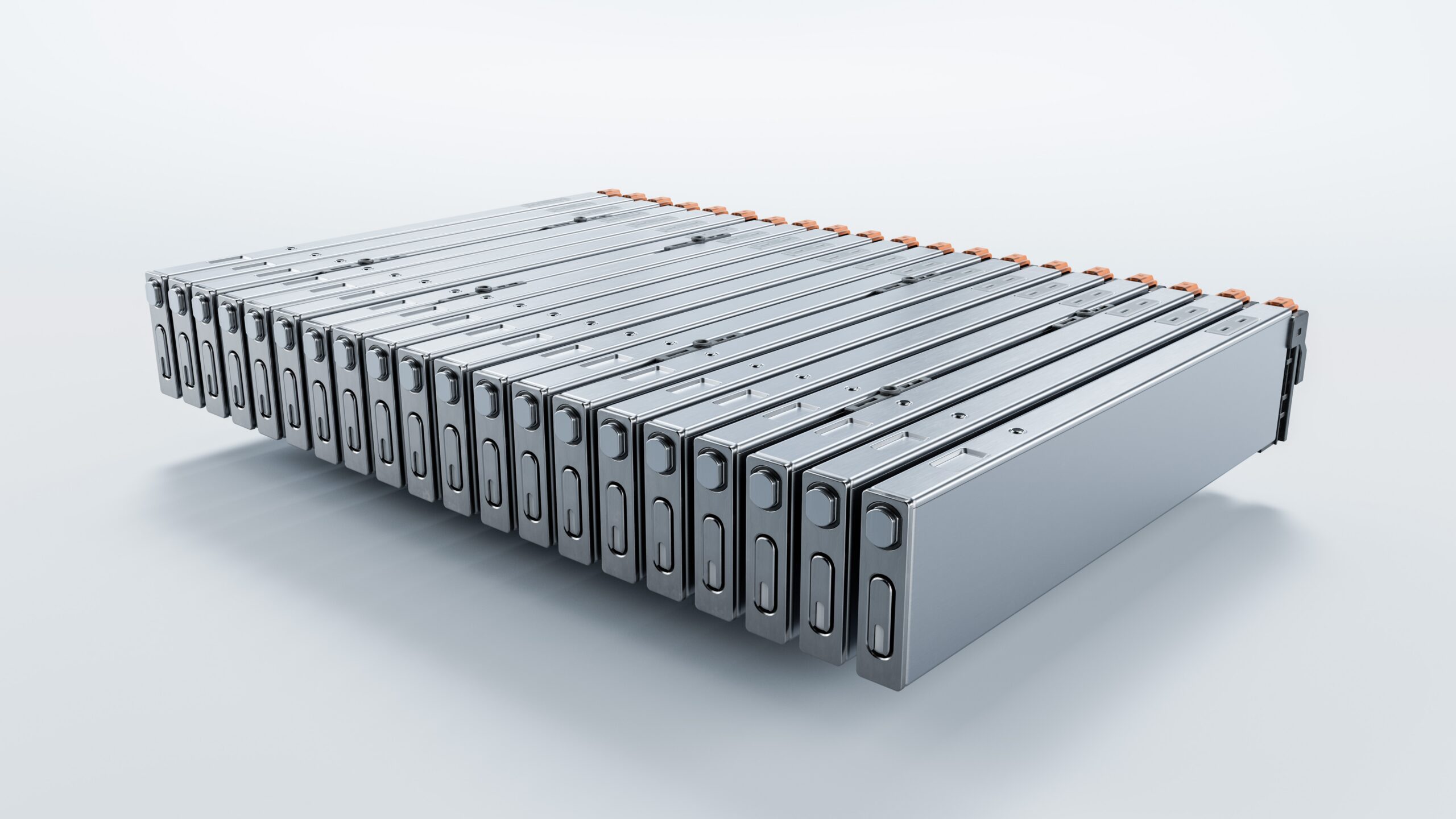
Most electric vehicle batteries are lithium-ion battery packs. These packs are made from many smaller cells connected into modules, which are then assembled into a larger battery system.
Inside an EV battery, you may find lithium, nickel, cobalt, manganese, iron phosphate, graphite, copper, aluminum, steel, plastics, electrolyte, separators, wiring, cooling components, and battery management electronics.
The exact materials depend on the chemistry. Some batteries use NMC, which stands for nickel manganese cobalt. Others use LFP, or lithium iron phosphate. Some EV batteries may use NCA, nickel cobalt aluminum, or other lithium-based chemistries.
That is why identification is one of the most important steps in the recycling process.
Step One: Collection and Safe Handling
EV battery recycling starts with proper collection. These batteries are often removed from vehicles, fleets, auto shops, dealerships, repair facilities, municipalities, equipment yards, or commercial operations.
Because EV batteries are large and may still contain stored energy, they should not be moved casually. A battery that has been involved in a crash, fire, flood, or physical impact may need extra care before it can be transported or processed.
Before recycling, the battery should be kept in a controlled area away from heat, water, heavy traffic, and physical damage. Damaged batteries should be separated from intact batteries and clearly identified.
Step Two: Inspection and Identification
Once an EV battery is collected, it is inspected and identified. This helps determine the chemistry, size, condition, manufacturer, voltage, and whether the battery is safe to move forward in the recycling process.
Labels, vehicle records, serial numbers, battery management data, and visible markings may all help identify the battery. This step matters because different EV battery chemistries may contain different materials and may require different recycling methods.
A damaged lithium-ion battery is handled differently than an intact battery pack removed during a planned replacement.
Step Three: Discharging and Preparation
Before an EV battery is dismantled or processed, it may need to be discharged or prepared for safer handling. Even if a battery no longer works well in a vehicle, it may still contain electrical energy.
The goal of preparation is to reduce risk before the battery is opened, separated, or processed. This may involve reviewing the pack condition, protecting terminals, removing external components, and preparing the battery for dismantling.
This stage is especially important for large EV packs because the battery may contain multiple modules, wiring, cooling systems, sensors, and control electronics.
Step Four: Dismantling the Battery Pack
After preparation, the battery pack may be dismantled. The outer casing is opened, and major components are separated.
This can include removing wiring, busbars, cooling plates, electronics, modules, and cell groups. Some components may be separated for metal recycling, while others move into battery material recovery.
Dismantling helps break a large battery system into smaller, more manageable parts. It also helps separate reusable or recyclable materials before the deeper processing stage.
Step Five: Processing Battery Materials
Once the battery is broken down, the cells or modules may be processed to recover materials. Depending on the recycling method, this can involve mechanical processing, thermal processing, chemical processing, or a combination of methods.
Mechanical processing may shred or separate materials into different streams. Chemical processing may help recover battery metals from active materials. Thermal methods may be used in certain recycling systems to prepare materials for recovery.
The goal is to recover useful materials such as lithium, nickel, cobalt, manganese, copper, aluminum, steel, graphite, and other components when possible.
Why EV Battery Recycling Matters
EV battery recycling helps keep large battery packs out of the wrong waste stream. It also helps recover materials that took energy, labor, and resources to mine, refine, and manufacture.
For businesses, recycling also helps clear old batteries from shops, yards, storage areas, warehouses, maintenance facilities, and fleet operations. Without a plan, end-of-life EV batteries can take up space and become harder to manage over time.
A clear recycling process helps businesses reduce clutter, separate damaged batteries, and move old batteries into a responsible recovery stream.
How Battery Recycling & Solutions Helps
Battery Recycling & Solutions helps businesses manage electric vehicle battery recycling for commercial quantities and battery loads.
This can include EV battery packs, hybrid vehicle batteries, lithium-ion battery modules, damaged batteries, LFP batteries, NMC batteries, and mixed battery loads from automotive, fleet, municipal, industrial, and commercial operations.
For businesses with EV batteries sitting in shops, yards, warehouses, or maintenance areas, Battery Recycling & Solutions provides a practical path for pickup, sorting, and proper recycling.
Frequently Asked Questions About EV Battery Recycling
Can electric vehicle batteries be recycled?
Yes. Electric vehicle batteries can be recycled through the proper battery recycling process. The exact process depends on the battery chemistry, condition, and size.
What materials are recovered from EV batteries?
EV batteries may contain lithium, nickel, cobalt, manganese, copper, aluminum, steel, graphite, plastics, wiring, and other recoverable materials.
Are damaged EV batteries recyclable?
Damaged EV batteries may still be recyclable, but they require careful handling, separation, and review before transportation or processing.
Can EV batteries be reused before recycling?
In some cases, yes. Some batteries may be evaluated for repair, reuse, or second-life applications before recycling. Batteries that are damaged, unsafe, or heavily degraded usually move toward recycling.
Conclusion
The electric vehicle battery recycling process is more detailed than recycling smaller batteries. EV batteries must be collected, identified, inspected, prepared, dismantled, processed, and routed for material recovery.
Because these batteries are large, powerful, and made with valuable materials, they need the right end-of-life plan. Proper recycling helps recover reusable materials, reduce waste, and keep old battery packs from sitting unmanaged in storage.
Battery Recycling & Solutions helps businesses manage EV battery recycling in a cleaner, safer, and more organized way.