
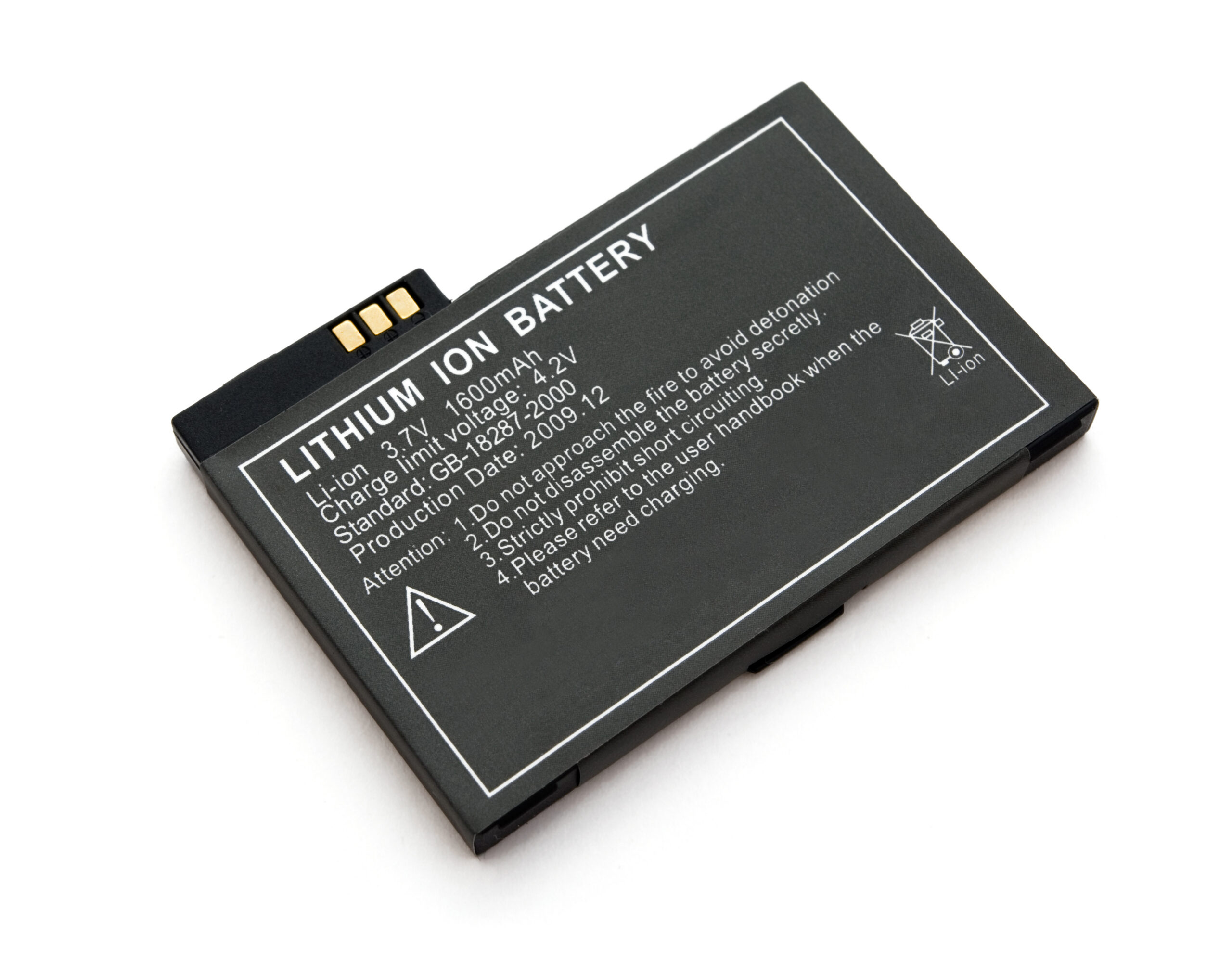
Lithium batteries are used in more devices than ever before. They power cell phones, laptops, tablets, power tools, e-bikes, scooters, medical devices, smart meters, backup systems, cameras, sensors, and many other electronics. They are popular because they are lightweight, compact, and able to store a strong amount of energy.
But when a lithium battery reaches the end of its life, it should not be thrown in the trash or left sitting in storage. These batteries can contain stored energy, metals, electrolyte, plastics, and other materials that require proper handling.
In this guide, you will learn what lithium batteries are used for, where they are commonly used, why disposal matters, how to identify damaged batteries, and how businesses can manage lithium battery recycling more safely and responsibly.
What Are Lithium Batteries?
Lithium batteries are batteries that use lithium as part of their chemistry. Some are rechargeable, while others are single-use.
The most common rechargeable type is the lithium-ion battery. These are found in electronics, tools, electric bikes, scooters, laptops, phones, and electric vehicles.
There are also lithium primary batteries, which are not designed to be recharged. These are often used in meters, sensors, medical devices, alarms, cameras, and specialty equipment where long battery life is important.
You may see lithium batteries labeled as:
Lithium-ion
Li-ion
Lithium primary
Lithium metal
LFP or LiFePO4
LCO
NMC
Lithium polymer
These labels matter because different lithium battery types may need different handling and recycling processes.
Why Lithium Batteries Require Proper Disposal
Lithium batteries should not be treated like ordinary waste. Even when a battery no longer powers a device, it may still contain stored energy.
If a lithium battery is crushed, punctured, overheated, overcharged, or damaged, it can create safety concerns. In some cases, damaged lithium-ion batteries may swell, smoke, vent gas, or catch fire.
That does not mean every lithium battery is unsafe. Most lithium batteries work reliably during normal use. The issue comes when they are damaged, improperly stored, mixed with trash, or handled carelessly at the end of life.
Proper disposal helps:
Keep lithium batteries out of regular trash
Reduce improper handling
Separate damaged batteries from intact batteries
Recover useful materials where possible
Prevent old batteries from piling up in storage areas
For businesses, this is especially important because used batteries can collect quickly during IT upgrades, equipment replacements, warehouse cleanouts, repair operations, or facility maintenance.
Common Devices That Contain Lithium Batteries
Lithium batteries are found in many everyday and commercial devices.
Common examples include:
Cell phones and tablets
Laptops and computer batteries
Power tools and battery packs
E-bikes and scooters
Medical devices
Barcode scanners and handheld equipment
Smart meters and sensors
Cameras and security devices
UPS systems and backup power units
Electric vehicles and mobility equipment
Some batteries are removable. Others are built into the device. If the battery cannot be safely removed, the full device may need to be recycled as battery-containing electronic equipment.
How to Identify Damaged Lithium Batteries
Before disposal, lithium batteries should be checked for damage.
A damaged battery may be swollen, cracked, leaking, burned, dented, corroded, unusually hot, or giving off an odor. A device may also show signs of battery swelling, such as a lifted phone screen, bulging laptop case, or battery pack that no longer sits flat.
Damaged batteries should be separated from normal used batteries. They should not be charged, punctured, crushed, opened, or forced back into equipment.
If a battery looks questionable, it is better to treat it carefully and keep it separate until it can be handled through the proper recycling process.
How to Store Lithium Batteries Before Disposal
Lithium batteries should be stored in a cool, dry, and controlled area. They should not be left in direct sunlight, exposed to water, stored near heat, or mixed with loose metal objects.
Battery terminals should be protected when needed to help prevent contact with metal or other batteries. Loose batteries should not be tossed into random boxes with wires, tools, scrap metal, or general waste.
For businesses, it helps to create a labeled collection area for used lithium batteries. Keeping batteries organized by type and condition makes the recycling process easier and reduces confusion later.
How Lithium Battery Disposal Works
Lithium battery disposal usually begins with collection and sorting. Batteries are identified by chemistry, size, condition, and format. Damaged batteries are separated from intact batteries, and larger battery packs may require extra review before transportation or processing.
Once sorted, lithium batteries move into the proper recycling process. Depending on the battery type, materials such as lithium, cobalt, nickel, manganese, copper, aluminum, graphite, steel, plastics, and electronics may be recovered or directed into further processing.
The goal is not just to get rid of the battery. The goal is to keep it out of the wrong waste stream and recover useful materials whenever possible.
How Battery Recycling & Solutions Helps
Battery Recycling & Solutions helps businesses manage lithium battery disposal and recycling for commercial quantities. This can include lithium-ion batteries, lithium primary batteries, laptop batteries, power tool batteries, e-bike batteries, scooter batteries, UPS batteries, damaged batteries, and mixed battery loads.
For businesses with used lithium batteries sitting in storage rooms, warehouses, IT closets, repair areas, or maintenance departments, Battery Recycling & Solutions provides a practical path for pickup, sorting, and proper recycling.
Frequently Asked Questions About Lithium Battery Disposal
Can lithium batteries go in the trash?
No. Lithium batteries should not be thrown into regular trash. They should be separated and recycled through the proper battery recycling process.
Are lithium batteries recyclable?
Yes. Many lithium batteries can be recycled, but they need to be sorted and handled correctly based on chemistry and condition.
What should I do with a swollen lithium battery?
A swollen lithium battery should be separated, kept away from heat and damage, and handled carefully. It should not be punctured, charged, crushed, or placed back into a device.
Can businesses recycle lithium batteries in bulk?
Yes. Businesses can recycle lithium batteries in bulk, including batteries from electronics, tools, equipment, backup systems, e-bikes, scooters, and commercial cleanouts.
Final Thoughts
Lithium batteries are powerful, useful, and found in many modern devices, but they need the right end-of-life plan. Throwing them in the trash or leaving them in storage can create unnecessary risks and waste recoverable materials.
The best approach is simple: identify the battery type, check for damage, store it safely, separate questionable batteries, and recycle them through the proper process.
Battery Recycling & Solutions helps businesses manage lithium battery disposal with organized pickup, sorting, and responsible recycling for commercial battery loads.

Follow Our Socials