
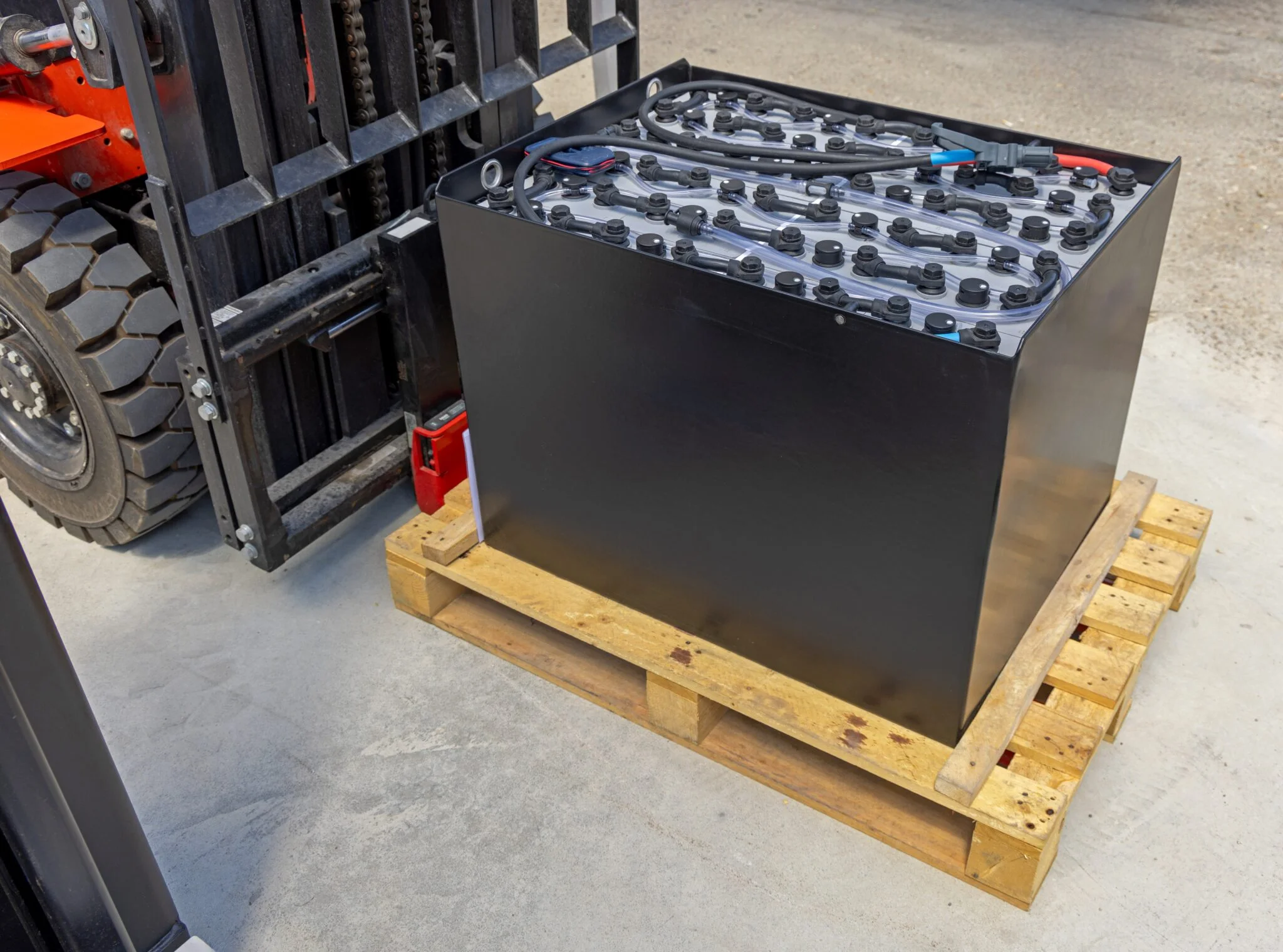
Batteries should generally be stored in a cool, dry, temperature stable location where they are protected from moisture, excessive heat, physical damage, and accidental contact between terminals. Whenever possible, keep unused batteries in their original packaging or an organizer that keeps them separated.
Storage needs can vary depending on battery chemistry. Rechargeable batteries, lead acid batteries, lithium ion batteries, and common household batteries do not always have identical long term storage requirements.
If batteries have reached the end of use rather than simply being stored for later, Battery Recycling and Solutions provides battery recycling services for a wide range of battery types and quantities.
Why Proper Battery Storage Matters
Good storage helps protect both the battery and the equipment around it.
Excessive heat, moisture, physical damage, or contact with conductive materials can contribute to problems such as:
- Short circuits
- Leakage
- Corrosion
- Overheating
- Premature discharge
- Physical battery damage
The goal is simple: keep batteries dry, organized, protected, and separated until they are ready to be used or recycled.
Where Should Batteries Be Stored?
Cool, Dry Indoor Storage
For most household batteries, a dry indoor location at normal room temperature is appropriate.
Good options can include:
- Cabinets
- Closets
- Drawers
- Battery organizers
- Dry storage rooms
Avoid placing batteries next to furnaces, radiators, ovens, direct sunlight, or other sources of excessive heat.
Moisture should also be avoided. Damp environments can contribute to corrosion and other battery problems.
Can Batteries Be Stored in a Garage?
Sometimes, but the garage conditions matter.
A garage that remains relatively dry and temperature stable may work for certain batteries. A garage that becomes extremely hot during summer, freezes during winter, or experiences significant humidity is less suitable for long term battery storage.
When possible, choose a more temperature stable indoor location.
Should Batteries Be Stored in the Refrigerator?
No. Most batteries do not need to be stored in a refrigerator or freezer.
Cold storage can introduce condensation and moisture when the battery is removed, while extreme temperatures can also affect battery performance. A cool, dry location at normal room temperature is generally the better choice.
How to Store Loose Batteries Safely
Loose batteries require a little more attention because their terminals are exposed.
Keep Batteries in Original Packaging
Whenever possible, keep unused batteries in the packaging they came in until you need them.
Original packaging helps:
- Keep batteries separated
- Protect exposed terminals
- Prevent contact with metal objects
- Identify the battery type
- Preserve expiration and manufacturer information
If the original packaging is gone, use a suitable battery organizer with separate compartments.
Protect Battery Terminals
Battery terminals should not be allowed to create an electrical connection with another battery or conductive object.
Keep loose batteries away from:
- Coins
- Keys
- Tools
- Paper clips
- Metal hardware
- Other conductive materials
Accidental terminal contact can create a short circuit and cause the battery to heat up or become damaged.
Be Careful With 9V Batteries
9V batteries deserve extra attention because the positive and negative terminals are positioned next to each other on the same end.
A conductive object touching both terminals can create a short circuit.
Keep loose 9V batteries separated, and protect exposed terminals with appropriate nonconductive material when necessary.
Separate Batteries by Type and Condition
Do not throw every battery you own into one loose container.
Separate batteries by:
- Chemistry
- Size
- Rechargeable or nonrechargeable
- New or used
- Condition
Damaged, leaking, swollen, or corroded batteries should be kept separate from batteries that are still in good condition.
How to Store Different Types of Batteries
Different battery chemistries can have different long term storage needs.
Alkaline Batteries
Store alkaline batteries in a cool, dry location and keep their terminals protected.
Original packaging or a battery organizer works well for unused batteries. Avoid mixing old and new alkaline batteries in the same device because batteries at different stages of discharge may perform differently.
Lithium Ion Batteries
Lithium ion batteries should be kept away from excessive heat, direct sunlight, moisture, and physical damage.
For extended storage, follow the battery or device manufacturer’s recommendations for state of charge. Do not assume every lithium ion battery should be stored completely full or completely empty.
Nickel Metal Hydride Batteries
Nickel metal hydride batteries should also be stored somewhere cool and dry.
Rechargeable NiMH batteries gradually lose charge while sitting unused, so a stored battery may need to be charged again before it returns to service.
Lead Acid Batteries
Lead acid batteries generally require more attention during long term storage.
Allowing a lead acid battery to remain deeply discharged for an extended period can affect its service life. Follow the battery manufacturer’s recommendations for charging and maintenance while it is being stored.
Button and Coin Cell Batteries
Button and coin cell batteries should be stored securely and kept away from children.
Because of their small size, they can present a serious ingestion risk. Keep them in their original packaging or another secure container and out of reach.
How to Store Batteries Long Term
If batteries will be stored for months rather than days, a little organization helps.
Remove batteries from devices that will not be used for an extended period. This is particularly useful for seasonal decorations, flashlights, toys, remote controls, and electronics being placed into storage. Removing the battery reduces the chance of leakage or corrosion damaging the device.
Check expiration dates when they are available and use older batteries before newer ones. A simple first in, first out system can help prevent batteries from sitting unused for unnecessarily long periods.
Periodically inspect stored batteries for:
- Leakage
- Corrosion
- Swelling
- Cracks
- Unusual heat
- Strange odors
A battery showing signs of damage should be separated from usable batteries rather than returned to normal storage.
Common Battery Storage Mistakes
Avoid these common mistakes:
- Storing loose batteries with coins, keys, or tools
- Leaving batteries in direct sunlight
- Storing batteries in wet or highly humid areas
- Mixing old and new batteries in the same device
- Mixing different battery chemistries in the same device
- Recharging batteries that are not rechargeable
- Storing damaged batteries with usable batteries
- Crushing, puncturing, or disassembling batteries
- Leaving button or coin cells within reach of children
Simple organization prevents many of the most common battery storage problems.
What Should You Do With Old or Damaged Batteries?
Battery storage should be temporary when the battery has reached the end of its useful life.
Batteries that are:
- Expired
- No longer holding a useful charge
- Corroded
- Leaking
- Swollen
- Cracked
- Physically damaged
should be separated from usable batteries and directed toward an appropriate recycling option based on battery chemistry and condition.
Lithium batteries require particular attention. They should not be placed into ordinary household trash or municipal recycling bins.
A swollen, leaking, burned, defective, or recalled lithium battery may require additional handling. Our DDR battery guide explains how damaged, defective, or recalled batteries differ from ordinary used batteries.
Businesses that accumulate large quantities of used batteries should consider moving them out of temporary storage and into an organized recycling program.
Frequently Asked Questions About Battery Storage
Can Batteries Touch Each Other in Storage?
Batteries can be stored near each other, but their terminals should not be able to create an electrical connection. An organizer with separate compartments can help prevent accidental contact.
Is It Safe to Store Batteries in a Plastic Container?
Yes. A suitable plastic organizer or container can work as long as batteries remain organized and their terminals cannot contact each other or conductive objects.
Should You Tape Battery Terminals Before Storage?
Terminal protection may be appropriate when loose batteries could contact other batteries or metal objects. 9V batteries deserve particular attention because both terminals are located next to each other.
Can Batteries Be Stored in a Garage?
A garage may work if it remains dry and temperature stable. Garages exposed to extreme heat, freezing temperatures, or high humidity are less suitable for long term storage.
Can Batteries Be Stored in the Refrigerator?
Generally, no. A cool, dry indoor location is preferable because refrigerators can expose batteries to condensation and moisture.
Should Rechargeable Batteries Be Stored Fully Charged?
Not necessarily. The appropriate state of charge depends on battery chemistry, so follow the manufacturer’s recommendations for long term storage.
Conclusion: How to Store Batteries Safely
Safe battery storage comes down to a few basic principles: keep batteries cool, dry, organized, protect their terminals, and keep damaged batteries separate from usable ones. Storage needs can vary by chemistry, so manufacturer guidance should be followed when a battery has specific long term requirements.
When batteries are expired, damaged, or no longer needed, they should move into an appropriate recycling stream rather than remain in storage indefinitely. Battery Recycling and Solutions provides battery recycling services for businesses and organizations managing used batteries across a wide range of chemistries.