
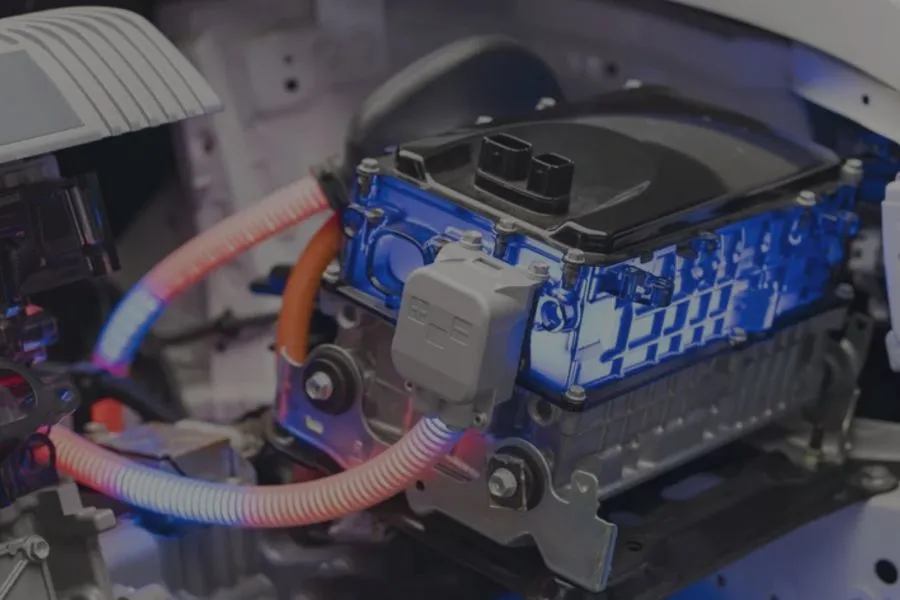
Hybrid and electric vehicle batteries eventually reach a point where they can no longer provide the performance required for vehicle use. These batteries may come from aging vehicles, collision damaged vehicles, failed battery packs, dealerships, repair facilities, fleet operations, or automotive salvage yards.
These are large, high voltage propulsion batteries, not ordinary 12 volt car batteries. They require an appropriate recycling, return, or take back route based on the battery type, condition, manufacturer, and location.
This guide explains why more hybrid and EV batteries are entering the recycling stream, the main recycling options available, how to prepare a battery for recycling, and what businesses or vehicle owners should know before arranging transportation. Battery Recycling and Solutions provides battery recycling services for a wide range of battery types and quantities.
Background and Context: The Hybrid and EV Battery Recycling Problem
Hybrid and electric vehicle batteries are becoming a bigger recycling issue as more electrified vehicles stay on the road long enough to reach the end of their useful lives.
The challenge is not simply finding a place that accepts the battery. Size, chemistry, transportation requirements, battery condition, and recycling costs can all affect what happens next.
More Hybrid and EV Batteries Are Reaching End of Life
Hybrid and EV batteries have not historically entered the recycling stream at the same volume as conventional automotive batteries because many propulsion battery packs remain in service for years.
A significant portion of the batteries reaching recyclers today can still come from manufacturing scrap, defective packs, damaged vehicles, or batteries removed for reasons other than normal age. However, that mix will continue to change as more hybrids, plug in hybrids, and fully electric vehicles eventually reach retirement.
That means dealerships, repair facilities, fleets, dismantlers, and recycling operations will increasingly need practical systems for managing these batteries once they can no longer remain in vehicle service.
Salvage Yards Can Be Left With Stranded Batteries
Automotive salvage yards face a particularly difficult situation when they remove a propulsion battery that cannot be reused or sold.
The battery may be extremely large, expensive to transport, difficult to place with a recycler, and unsuitable for simply sitting onsite indefinitely.
The supplied example describes salvage operations dealing with hybrid and EV batteries where the cost of transportation and recycling could erase any potential financial return. In one case, a recycler quoted a salvage yard $1,800 to accept and process a single battery pack.
That creates a simple problem: a salvage yard may have a battery it needs to move, but the logistics and processing costs can make finding an appropriate outlet more difficult.
Battery Chemistry Changes the Recycling Equation
Not every hybrid or EV battery uses the same chemistry.
Common examples include:
- Nickel metal hydride: Historically common in many conventional hybrid vehicles.
- Lithium ion: Common in plug in hybrids and battery electric vehicles.
- Lithium iron phosphate: Increasingly used in newer electric vehicles.
The chemistry matters because it can affect the recycling process, transportation requirements, handling considerations, and economics.
For example, the supplied source discusses how the growing use of lithium iron phosphate batteries can change recycling economics because these packs have a different material composition from other lithium ion batteries.
Reuse May Come Before Recycling
A battery removed from a hybrid or electric vehicle does not automatically need to be broken down for material recovery.
Depending on its condition and remaining performance, a battery may potentially be:
- Reused in another vehicle
- Remanufactured
- Repurposed for stationary energy storage
- Sent directly for recycling
Second life applications can extend the useful life of a battery before it eventually enters the recycling stream. The supplied material specifically discusses retired vehicle batteries being considered for stationary energy storage and backup power applications.
Whether reuse makes sense depends on the specific battery, its condition, and whether it can be evaluated and handled appropriately.
Regulations Are Starting to Address End of Life Batteries
States are also beginning to address what happens to hybrid and EV propulsion batteries once they are retired.
New Jersey’s Electric and Hybrid Vehicle Battery Management Act is currently in its implementation phase. According to the supplied regulatory summary, producer reporting requirements began January 8, 2026, with additional disposal restrictions scheduled to take effect January 8, 2027.
The broader direction is clear: manufacturers, recyclers, dismantlers, and other organizations handling propulsion batteries will increasingly need defined systems for keeping these batteries in appropriate reuse or recycling channels.
Regardless of why the battery is being retired, the next question is how to get it into the appropriate recycling or take back system.
How to Recycle Hybrid and EV Batteries
There is no single recycling route that works for every hybrid or EV battery.
The best option can depend on:
- Battery manufacturer
- Battery chemistry
- Battery condition
- Quantity
- Location
- Whether the battery is still installed in the vehicle
- Whether the organization generates these batteries regularly
In most cases, the practical options fall into three categories.
Option 1: Return Label or Take Back Program
Start by checking whether the manufacturer provides a return, take back, or recycling program for the battery.
Some propulsion batteries include manufacturer information or recycling instructions that can help dealerships, repair facilities, dismantlers, and other handlers identify the correct return process. The supplied source notes that vehicle battery packs may include recycling information intended to direct end of life batteries to the appropriate recycling channel.
A simple process is:
- Identify the vehicle and battery manufacturer.
- Check the battery for return or recycling information.
- Contact the manufacturer or dealership.
- Confirm whether a take back or return program applies.
- Follow the program’s packaging and transportation instructions.
Not every manufacturer uses the same system, so confirm the actual program before moving the battery.
Option 2: Drop Off Locations
An approved drop off location may be an option when a facility accepts the specific type of hybrid or EV battery you have.
Before transporting the battery, confirm:
- Battery chemistry
- Battery size
- Battery condition
- Whether the battery is complete or partially dismantled
- Whether the facility accepts propulsion batteries
- Whether an appointment is required
Never assume that a facility accepting ordinary automotive batteries will also accept hybrid or EV propulsion batteries.
A standard 12 volt car battery and a high voltage propulsion battery are completely different battery systems and may require different handling and recycling processes.
Option 3: Scheduled Pickup
Scheduled pickup is often the most practical option for businesses dealing with large or multiple propulsion batteries.
This can include:
- Auto salvage yards
- Dealerships
- Repair facilities
- Collision centers
- Fleet operators
- Municipal fleets
- Automotive dismantlers
- Businesses accumulating multiple battery packs
Hybrid and EV batteries can be extremely large, heavy, and difficult to transport. Battery condition can also affect how the battery must be handled.
For organizations generating batteries on a regular basis, recurring pickup arrangements can provide a more consistent way to manage batteries instead of allowing packs to accumulate onsite.
How to Prepare Hybrid and EV Batteries for Recycling
Preparing a hybrid or EV battery for recycling starts with identifying what you have and giving the recycler enough information to determine the appropriate next step.
The exact transportation and packaging requirements can vary, so preparation should stay specific to the battery and recycler involved.
Identify the Battery
Gather as much basic information as possible before contacting a recycler.
Useful details include:
- Vehicle make and model
- Battery manufacturer when known
- Battery chemistry
- Battery identification numbers
- Approximate size and weight
- Whether it is a complete pack or individual module
You do not need to become a battery expert. The goal is simply to provide enough information for the recycler to understand what is being handled.
Check the Battery Condition
Battery condition is one of the most important details to communicate.
Determine whether the battery is:
- Intact
- Damaged
- Swollen
- Leaking
- Burned
- Collision damaged
- Suspected of overheating
- Recalled or defective
A damaged propulsion battery may require a different transportation and handling process than an intact battery.
Tell the recycler about known or suspected damage before arranging pickup or drop off.
Do Not Dismantle the Battery Yourself
Hybrid and EV propulsion batteries are high voltage systems.
Do not open the battery pack, remove individual cells, separate modules, cut cables, or attempt additional disassembly simply to make recycling easier.
Battery removal, servicing, and disassembly should be handled by appropriately trained personnel familiar with high voltage vehicle systems.
Keep the Battery Protected
Once the battery has been removed appropriately, keep it protected while awaiting recycling.
Avoid exposing it to:
- Physical damage
- Short circuits
- Water
- Excessive heat
- Impact
- Unnecessary movement
The specific packaging requirements will depend on the battery, its condition, and the transportation method being used.
Give the Recycler the Right Information
Before arranging recycling, provide the recycler with the basic details needed to evaluate the battery.
That can include:
- Battery type
- Quantity
- Battery condition
- Location
- Approximate dimensions and weight
- Vehicle information
- Whether pickup is needed
- Whether the project is one time or recurring
Providing this information upfront makes it easier to determine whether a return program, drop off, scheduled pickup, or another recycling arrangement is appropriate.
What Happens to Hybrid and EV Batteries During Recycling?
Once a hybrid or EV battery reaches an appropriate facility, the next step depends on its condition, chemistry, and whether it still has another practical use.
Initial Evaluation
The battery may first be evaluated to determine whether it should be:
- Reused
- Remanufactured
- Repurposed
- Sent directly for recycling
A battery removed from vehicle service is not automatically unusable in every other application.
Battery Processing
Batteries that enter the recycling stream can be dismantled and processed so different components and battery materials can be separated.
Depending on the battery chemistry and recycling process, recovered materials may include:
- Lithium
- Nickel
- Cobalt
- Manganese
- Copper
- Steel
- Other battery materials
The exact recovery process and output vary by battery chemistry and recycler, so there is no single recycling method or recovery percentage that applies to every hybrid or EV battery.
Frequently Asked Questions About Hybrid Battery Recycling
Can Hybrid Car Batteries Be Recycled?
Yes. Hybrid vehicle batteries can be recycled through appropriate programs based on the battery chemistry, condition, manufacturer, and location.
Are Hybrid Batteries Lithium Ion?
Some are, but not all. Many conventional hybrids use nickel metal hydride batteries, while others use lithium ion batteries.
Can EV Batteries Be Recycled?
Yes. EV battery packs can be recycled through specialized battery recycling systems that process the pack based on its chemistry and condition.
Can You Drop Off a Hybrid Battery?
Sometimes. You should always confirm that the facility accepts high voltage hybrid or EV batteries before transporting one.
Who Takes Old Hybrid Batteries?
Options may include vehicle manufacturers, dealership take back programs, specialized battery recyclers, and approved automotive recycling facilities.
Do Hybrid Battery Recyclers Offer Pickup?
Yes, some recyclers offer pickup depending on the battery quantity, condition, location, and transportation requirements.
Conclusion: Recycling Hybrid and EV Batteries
As more hybrid and electric vehicles age, dealerships, vehicle owners, repair facilities, fleets, and salvage yards will increasingly need practical ways to manage retired propulsion batteries. Depending on the battery and situation, the right option may be a manufacturer take back program, an approved drop off location, or a scheduled recycling pickup.
Battery Recycling and Solutions provides battery recycling services for hybrid, electric vehicle, and other battery types, with pickup and recycling options available based on battery type, condition, quantity, and location.