
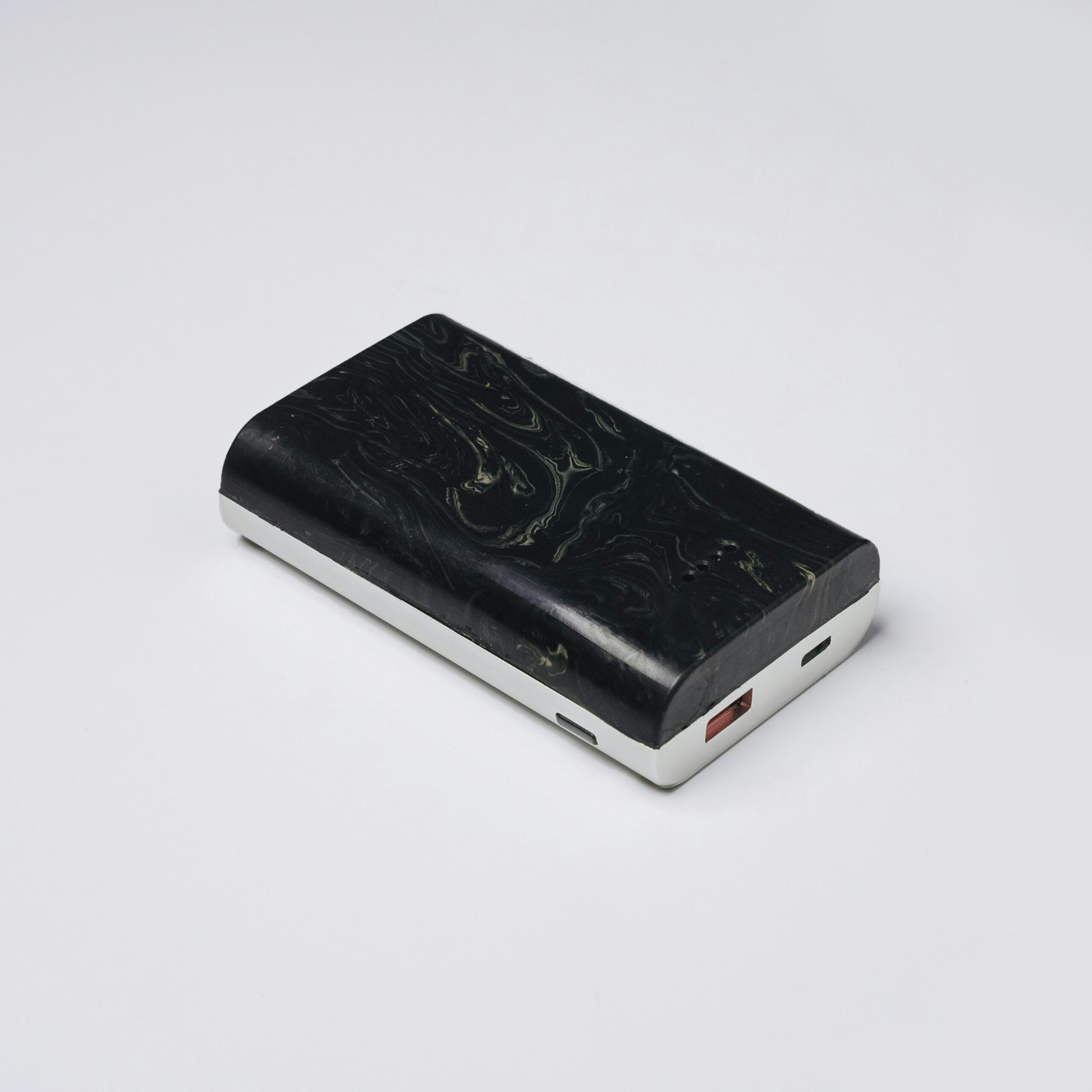
Power banks are small, convenient, and easy to overlook. They are used every day to charge phones, tablets, laptops, cameras, headphones, and other portable electronics when a wall outlet is not available. But when power banks get old, stop holding a charge, swell, overheat, or become damaged, they should not be thrown into the trash.
Most power banks contain lithium-ion batteries, circuit boards, wiring, plastics, metal casings, and small electronic components. That means they should be handled as both battery waste and electronic waste. Improper disposal can create fire risks, environmental concerns, and unnecessary waste.
For businesses, schools, offices, warehouses, municipalities, and organizations, power bank recycling is an important part of responsible battery management. Battery Recycling & Solutions helps commercial customers recycle old power banks, lithium-ion batteries, rechargeable batteries, and other battery waste through safer, more organized recycling options.
What Is a Power Bank Used For?
A power bank is a portable rechargeable battery pack designed to store energy and charge electronic devices later. People use power banks for convenience, travel, emergency backup power, field work, events, schools, warehouses, and everyday business operations.
The size and capacity of the power bank determine what it can charge and how many times it can charge a device. Smaller power banks may only recharge a phone once, while larger units may support laptops, tablets, or multiple devices.
Why Power Banks Are So Common
Power banks have become popular because modern work and daily life depend on portable electronics. Employees use mobile devices in offices, warehouses, delivery operations, job sites, schools, medical facilities, and remote work settings. Power banks make it easier to keep devices running when employees are away from desks or outlets.
They are also commonly purchased in bulk. Businesses may hand them out at events, keep them in emergency kits, issue them to employees, or store them with IT equipment. Over time, these devices often pile up in drawers, supply closets, storage rooms, classrooms, and warehouse bins.
The problem is that old power banks do not always get disposed of correctly. Many are forgotten until they become swollen, damaged, or completely unusable.
Why Old Power Banks Can Become a Problem
Most power banks use lithium-ion batteries. These batteries are efficient and lightweight, but they do not last forever. As a lithium-ion battery ages, it may lose charging capacity, take longer to recharge, drain quickly, or stop working altogether.
Old or damaged power banks can also become safety concerns. A power bank should be taken out of use if it shows signs of:
- Swelling
- Overheating
- Cracking
- Dents or punctures
- Leaking
- Burn marks
- Unusual smells
- Charging failure
- Slow charging
- Excessive heat during use
Damaged lithium-ion batteries should not be ignored. If a battery is crushed, punctured, short-circuited, or exposed to heat, it may smoke, spark, or catch fire. This is one of the main reasons power banks should not be placed in regular trash or curbside recycling bins.
What Are Power Banks Made Of?
Power banks may look simple from the outside, but they contain several materials that require proper handling. Inside a power bank, there is usually a rechargeable lithium-ion battery cell or battery pack. This is the main component that stores and releases energy.
Power banks also contain electronics that control charging, power delivery, voltage regulation, and safety features. These components help prevent overcharging, manage output, and support USB or other charging ports. Common power bank components include: lithium-ion battery cells, circuit boards, charging controllers, USB ports, internal wiring, sensors, plastic housings, metal casings, and various other small electronic parts.
Many of these materials may be recoverable through the recycling process. However, they need to be routed through the right recycling streams instead of being buried in landfills or processed with regular trash.
Are Power Banks Considered Battery Waste or E-Waste?
Power banks are both. They contain rechargeable batteries, but they are also electronic devices with circuit boards, ports, wiring, and housings. That is why they are often managed through battery recycling and electronics recycling programs.
For businesses, this matters because power banks may be collected alongside other rechargeable battery devices, including laptop batteries, cell phone batteries, tablets, wireless accessories, scanners, handheld devices, and small electronics.
A proper recycling plan helps keep these items organized and reduces the chance that damaged battery devices end up loose in trash cans, desk drawers, or mixed recycling containers.
Power Bank Recycling Options
Power bank recycling options depend on the number of units, the condition of the devices, and whether they are coming from a household, school, business, warehouse, or commercial facility.
For small quantities, some local recycling programs, retailer drop-offs, municipal collection events, or electronics recyclers may accept portable chargers. However, not every drop-off location is equipped to handle swollen, leaking, or damaged lithium-ion battery devices.
For commercial quantities, scheduled pickup is usually the better option. Businesses, schools, offices, and warehouses may need help managing bulk power banks, batteries, laptops, phones, tablets, chargers, and other electronic devices.
Battery Recycling & Solutions works with organizations that need a more practical way to manage battery waste, especially when power banks are part of a larger lithium-ion battery recycling or electronics recycling project.
Why Power Banks Should Not Go in the Trash
Power banks should never be placed in regular trash. Even when a power bank is dead, the lithium-ion battery inside may still create a fire risk if it is crushed, punctured, or short-circuited.
Trash collection and recycling systems are not designed to safely process loose lithium-ion battery devices. If a power bank is compacted in a garbage truck or damaged by sorting equipment, it can overheat or ignite. Fires caused by batteries can put workers, facilities, vehicles, and surrounding materials at risk.
Throwing power banks away also wastes recoverable materials. Copper, aluminum, plastics, electronics, and battery-related materials may be recovered through the right recycling process.
How Power Bank Recycling Works
Power bank recycling starts with collection and sorting. Devices are separated based on type, condition, and potential safety concerns. Swollen, leaking, overheating, or physically damaged power banks may need special handling to reduce the risk of fire or short circuits.
After sorting, the lithium-ion battery is managed carefully. Depending on the device and its condition, the battery may be removed or processed through a controlled recycling stream. Damaged batteries may be isolated and handled separately.
The remaining electronic components can then be separated. This may include circuit boards, wiring, USB ports, connectors, plastics, and metal casings. These materials can move into appropriate downstream recycling channels.
The goal is to keep old power banks out of landfills, reduce safety risks, and recover reusable materials wherever possible.
Benefits of Recycling Power Banks
Recycling power banks provides several benefits for businesses and organizations.
First, it helps reduce fire risks. Keeping lithium-ion batteries out of trash cans, compactors, and general recycling bins is one of the most important steps in safe battery disposal.
Second, it supports environmental protection. Power banks contain battery materials and electronics that should not be left to break down in landfills. Proper recycling helps route these materials through more responsible disposal and recovery processes.
Third, recycling supports material recovery. Power banks may contain copper, aluminum, plastics, circuit boards, and battery-related materials that can be recovered instead of wasted.
Finally, it helps businesses stay organized. Old power banks and rechargeable battery devices often pile up in storage areas. A recycling plan helps clear space, reduce clutter, and create a safer system for managing battery waste.
Power Bank Recycling for Businesses
Businesses often collect more battery waste than they realize. Old power banks may be stored with outdated laptops, cell phones, tablets, scanners, emergency kits, backup devices, and other rechargeable electronics.
Battery Recycling & Solutions provides commercial battery recycling services for organizations that need to recycle old power banks and lithium-ion battery devices. This can be helpful for offices, schools, warehouses, healthcare facilities, municipalities, retailers, property managers, and other commercial generators.
Whether your organization has a small box of old portable chargers or a larger quantity from a cleanout project, proper recycling is the safest next step.
Frequently Asked Questions About Power Bank Recycling
Can power banks be recycled?
Yes. Power banks contain lithium-ion batteries, wiring, plastics, circuit boards, and other electronic components that can often be recycled through proper battery recycling programs.
Are power banks lithium-ion batteries?
Most modern power banks contain lithium-ion or lithium-polymer battery cells. These batteries should be handled carefully, especially if the device is swollen, leaking, cracked, or overheating.
Can I throw a dead power bank in the trash?
No. Dead power banks should still be recycled properly. Even if they no longer charge your phone, the battery inside may still create fire or environmental risks.
What should I do with a swollen power bank?
Stop using it immediately. Keep it away from heat, flammable materials, and other batteries. Do not puncture, crush, or try to open it. Contact a qualified battery recycler for proper handling guidance.
Do businesses need bulk power bank recycling?
Many businesses do. Offices, schools, warehouses, and organizations often collect power banks over time. Bulk recycling helps manage these devices safely and keeps them out of regular waste streams.
Recycle Old Power Banks Responsibly
Power banks are useful devices, but they should not be ignored when they reach the end of their life. Old, damaged, swollen, or non-working power banks can create safety and environmental risks if they are thrown into the trash.
Recycling helps keep lithium-ion batteries out of landfills, reduces fire hazards, supports material recovery, and helps businesses manage battery waste more responsibly.
Battery Recycling & Solutions helps businesses, schools, warehouses, municipalities, and organizations recycle old power banks and rechargeable battery waste. For commercial power bank recycling, lithium-ion battery recycling, or bulk battery pickup services, contact Battery Recycling & Solutions to discuss safe recycling options.